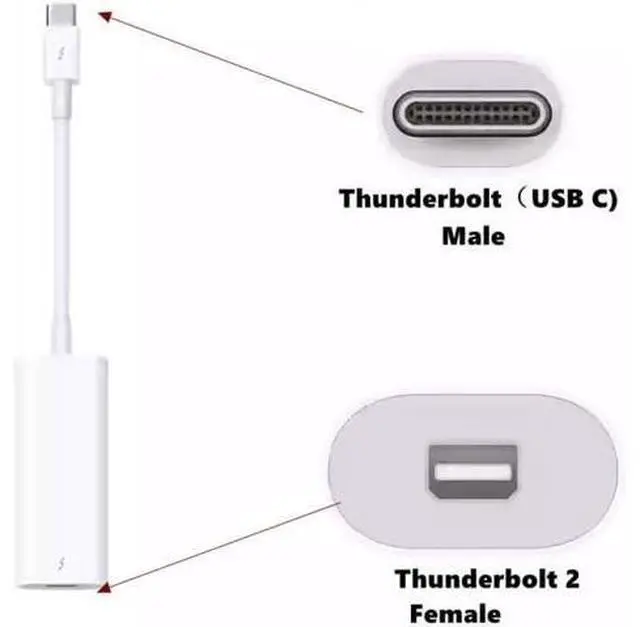
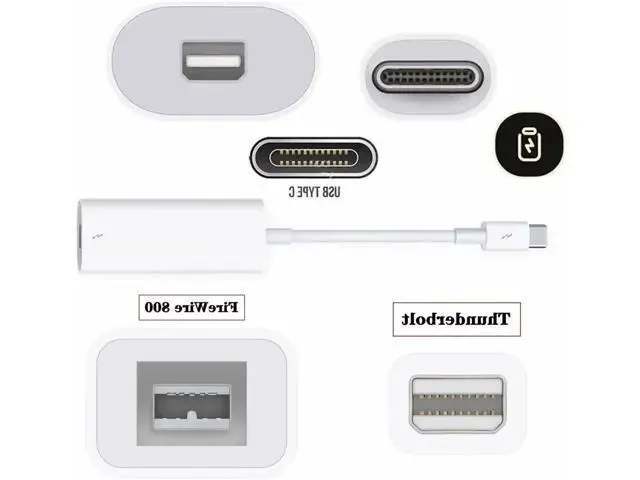
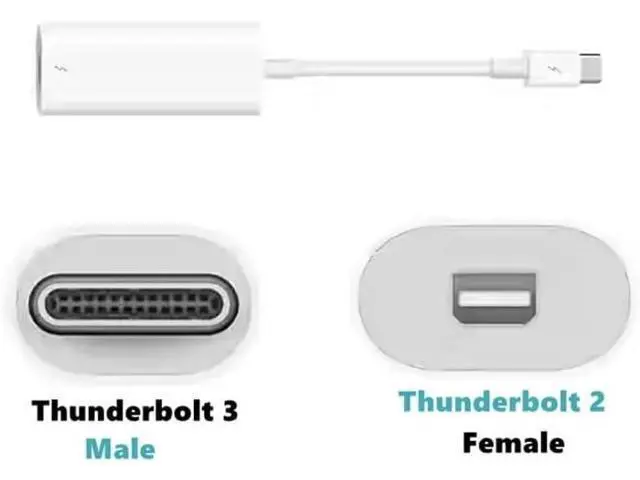
Bridge function: As a connection bridge between different device interfaces and the universal USB standard, it enables data transmission, charging, or peripheral expansion functions.;
Common interface types: covering various conversion forms, such as Type-C to USB-A, Micro USB to USB-A, Mini USB to USB-A, printer port to USB-A, etc., to meet the connection needs of different devices.;
Data Communication: Supports data transfer protocols (such as USB 2.0, USB 3.0 or higher) with transfer rates ranging from 480Mbps to several Gbps, used to connect devices such as mobile phones, cameras, and hard drives to exchange data with computers.;
Charging function: It has both charging function and can transfer power from USB-A port or Type-C port to various portable devices for charging or power supply.;
OTG extension: Some interfaces can be converted to USB cables to support OTG function, allowing main devices such as mobile phones and tablets to connect USB peripherals such as USB flash drives,