


 All Categories
Built for How Business Buys.
All Categories
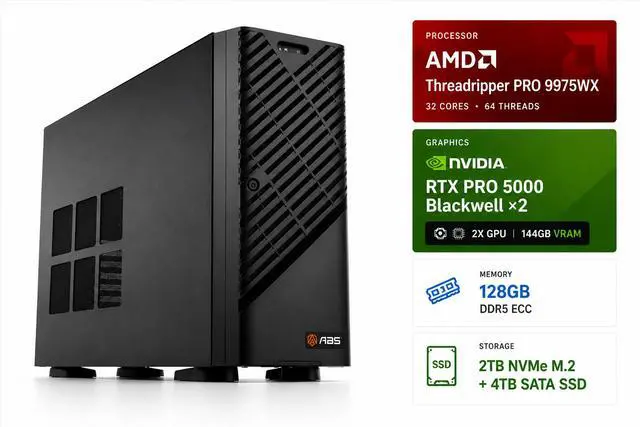
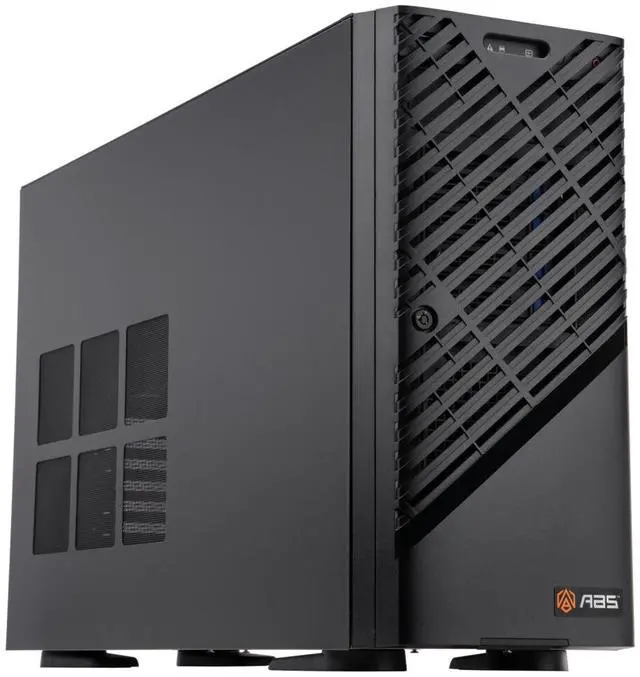
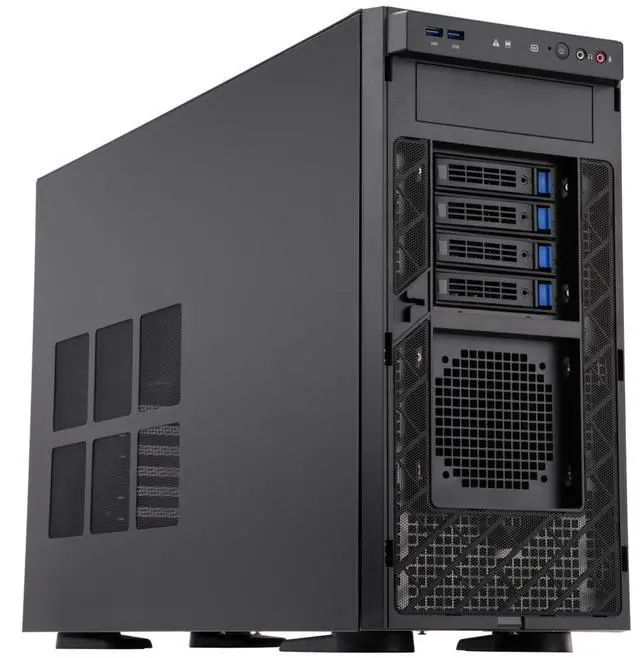
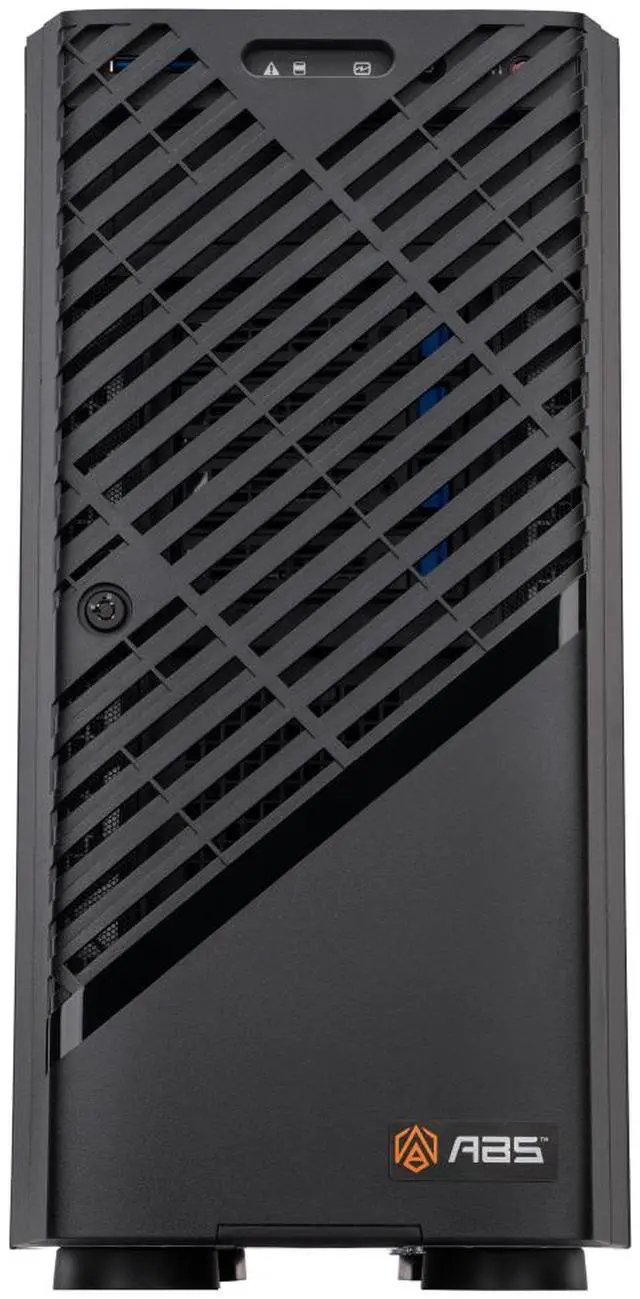
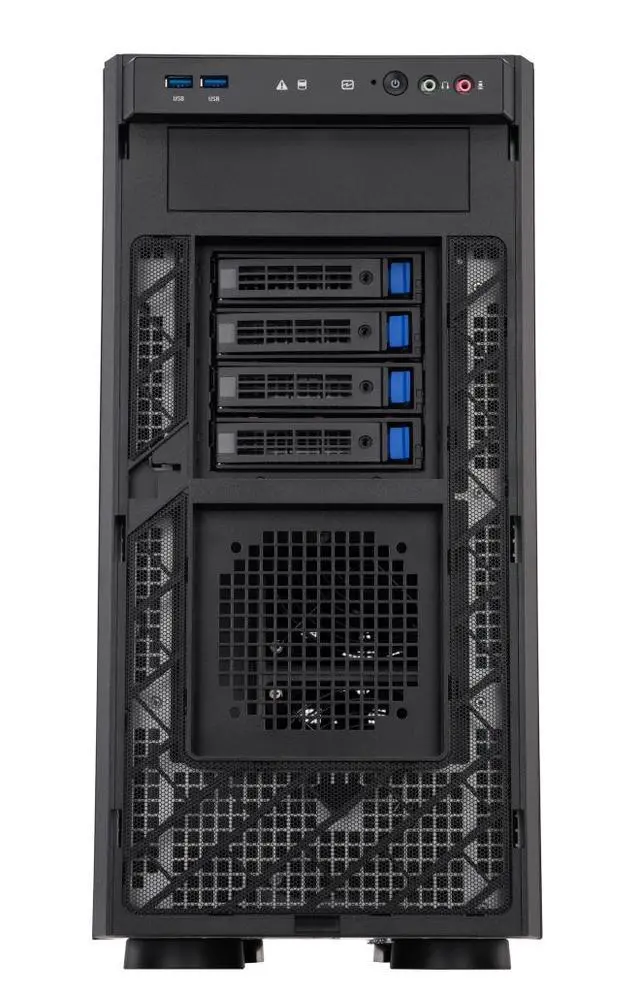
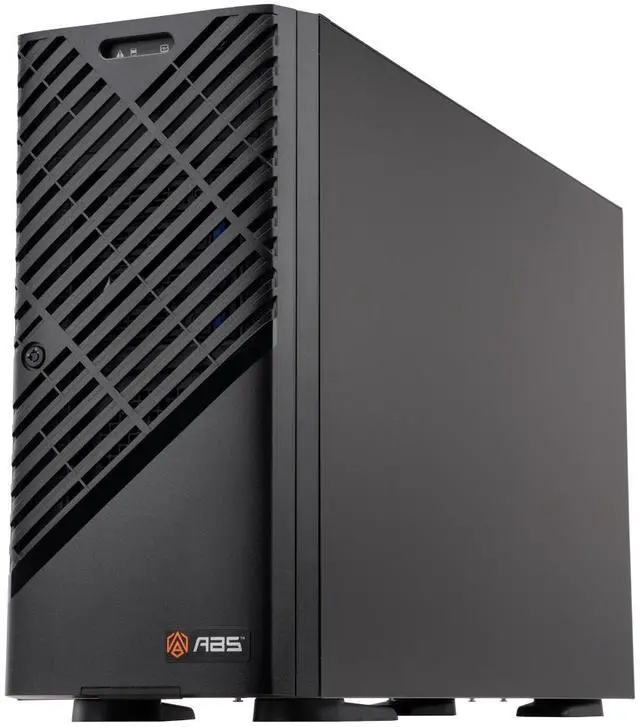
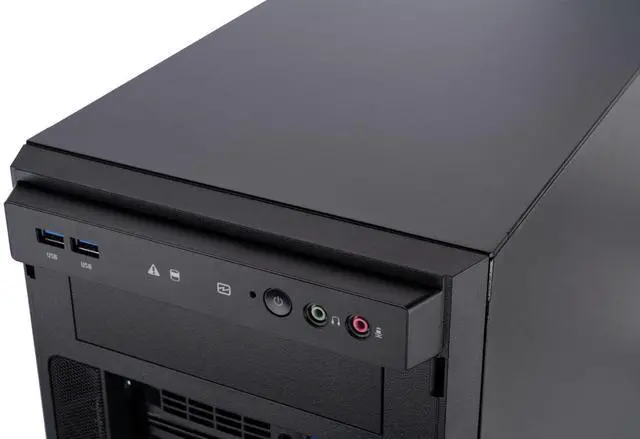


Two independent 72 GB GPUs and 32 CPU cores mean this one tower doesn't have to sit in a queue. 144 GB of aggregate VRAM, split across two real people or two real workloads — not a single card everyone waits their turn for.

An AMD server-pedigree CPU platform next to two independent 72GB GPUs, built for concurrent use:
Two independent GPUs mean this isn't just a faster single-user machine - it's a machine built to serve more than one person at once. Some illustrative roles it can cover simultaneously:

Runs a long fine-tuning job against one of the two 72GB GPUs, using a share of the 32 CPU threads for data loading.
Queries a served model on the second GPU in real time, without waiting for the trainer's job to finish.
Compiles code, runs tests, and orchestrates agents on the remaining CPU threads, barely touching either GPU.
Picks up whichever GPU is free for a batch render job, once the trainer's or the inference user's session wraps up.
Illustrative role framing, not a literal guaranteed resource-partitioning scheme for any specific software or OS scheduler.
The listing's own AI Features, translated into what a dual-GPU, multi-user machine actually enables:

One GPU trains while the other serves inference, so a finished result doesn't have to wait for a free slot on a single shared card.

32 threads split across two people's preprocessing pipelines, each feeding their own GPU.

Two independent simulations can run side by side instead of taking turns on one GPU.

One GPU renders a production scene while the other previews the next set of changes.

Export a finished cut on one GPU while continuing to edit the next one on the other.

One teammate runs the live engine build while another tests changes on the second GPU, on the same machine.
Scene photos are AI-generated illustrations of typical deployments, not photographs of this exact product.
| ZRP9975WX-RP500072X2 | |
|---|---|
| CPU | AMD Threadripper PRO 9975WX — 32-core / 64 threads, sTR51 |
| GPU | 2x NVIDIA RTX PRO 5000 Blackwell — 72 GB GDDR7 each, 144 GB aggregate |
| Memory | 128 GB DDR5, ECC Registered |
| Storage | 2 TB M.2 NVMe (OS) + 4 TB M.2 NVMe (Data) |
| Networking | 2× 10 Gb/s LAN + 1× 10/100/1000 Mbps management LAN |
| Motherboard | Gigabyte MH53-G40 (Gigabyte W773-H5D-AA01 barebone) |
| Power | Single 2000 W ATX 80 PLUS Gold |
| Expansion | 8× DIMM (8-channel DDR5), 6× PCIe 5.0 x16 (2 populated), 4× M.2 (2 populated, 2 open) |
| OS | Ubuntu |
| Optional | OpenClaw agent framework (pre-installed); Qwen 3.5 27B+ local LLM package |
Two independent 72GB GPUs mean two people (or two workloads) can each have dedicated GPU access at the same time. 32 CPU cores / 64 threads support both without either starving the CPU-side work.
Both carry two independent 72GB RTX PRO 5000 Blackwell GPUs and 128GB DDR5. This configuration uses an AMD Threadripper PRO CPU platform instead; the Intel-based option in this lineup carries more CPU cores and threads.
Two independent 72GB GPUs — 144GB aggregate, not a single unified pool. Two people, or two workloads, each get dedicated GPU access.
The AI agent framework (OpenClaw) is pre-installed; a Qwen 3.5 27B or higher local LLM package is an optional add-on configured at order time.
It is TAA compliant and assembled in the USA, with compliance documents available for purchase review.
1-year parts and labor limited warranty backed by ABS manufacturer support. As a Build to Order system, it is custom built and stress-tested after purchase.