


 All Categories
Built for How Business Buys.
All Categories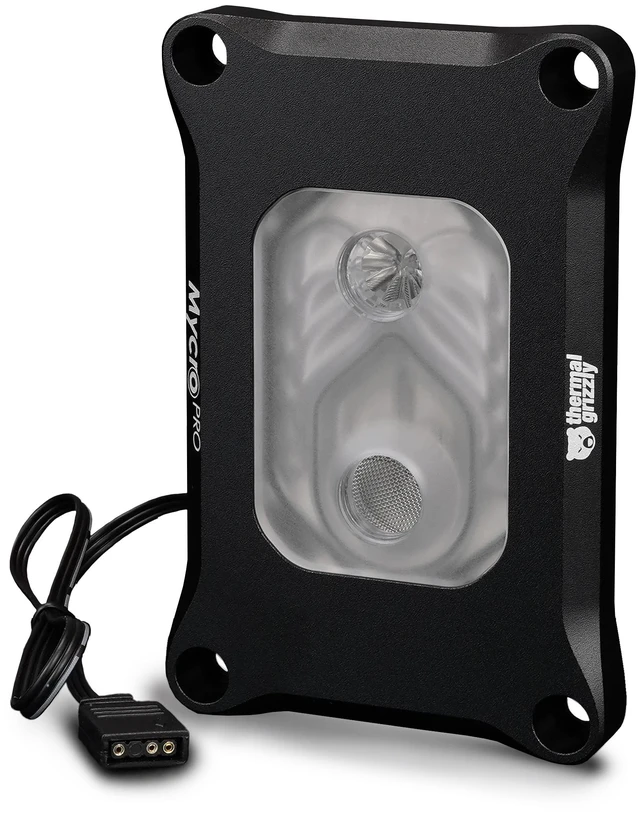
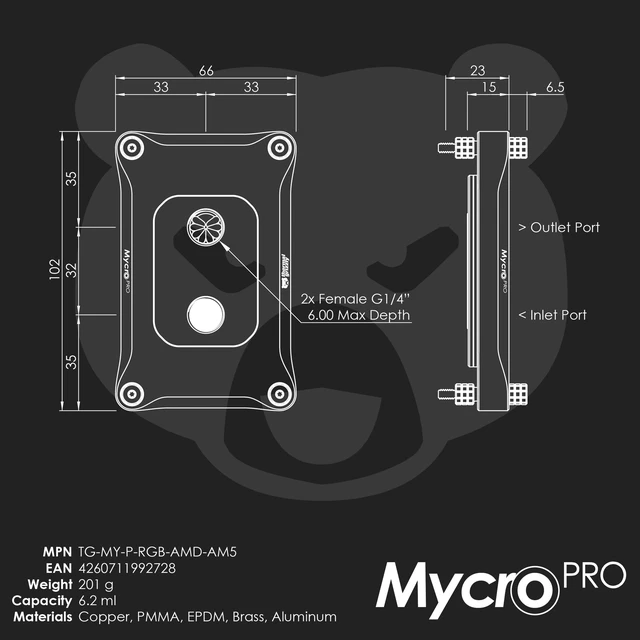
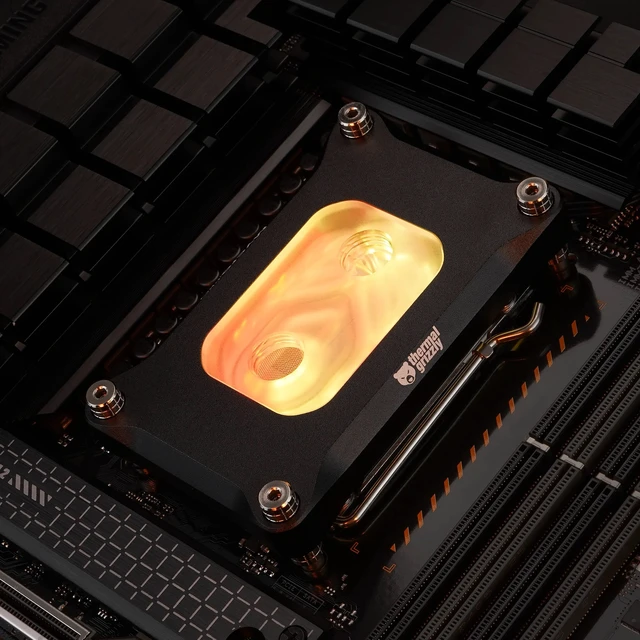
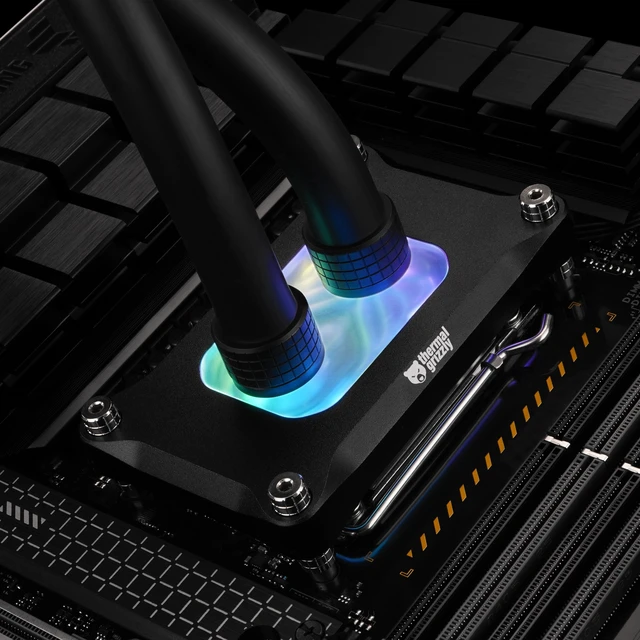
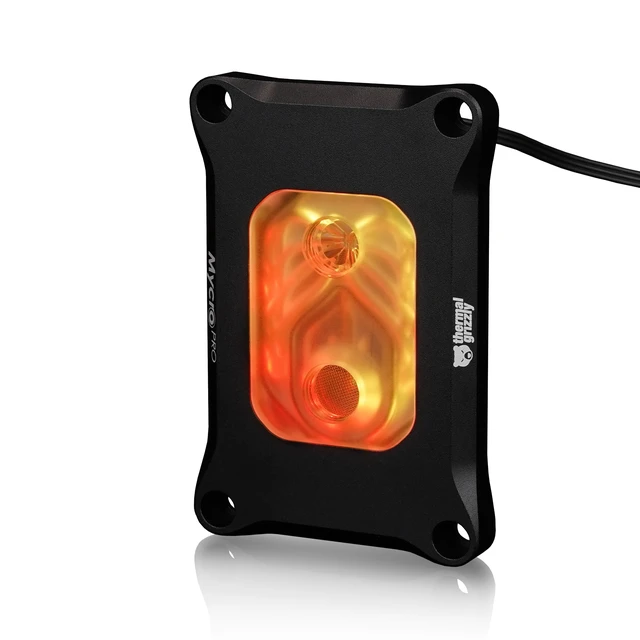
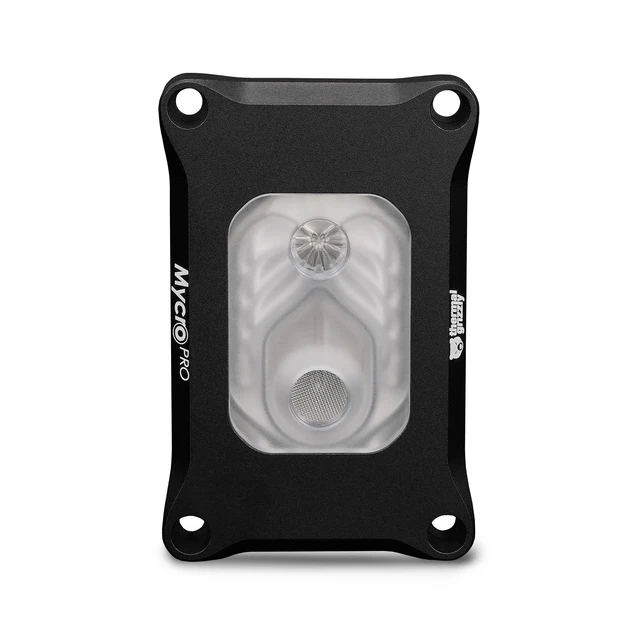


Thermal Grizzly's AM5 Mycro Pro RGB is a CPU water block for AMD's AM5 socket, and it is backward compatible with the AM4 socket.
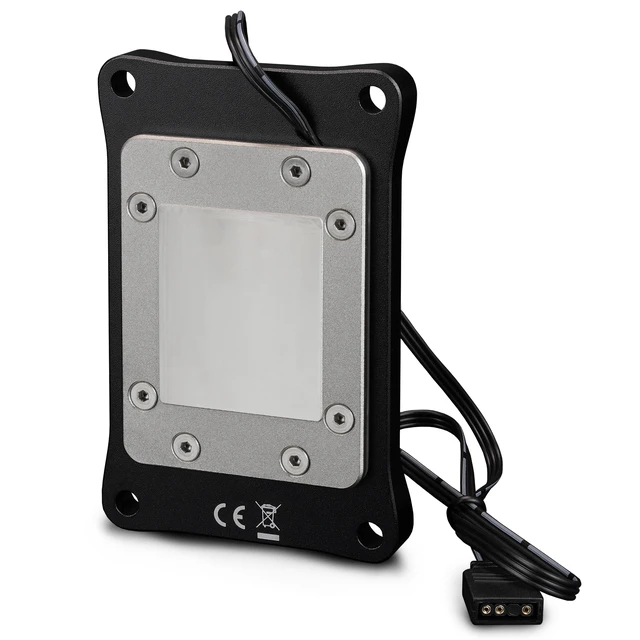
The cooler consists of four primary components. A nickel-plated copper cold plate sits on the CPU, and above it are a jet plate for flow optimization and a cooler plate made of tempered acrylic glass. A cover made of anodized aluminum closes the block. The result is a metal housing with a viewing window onto the internal layout, RGB-illuminated when you want it. Thermal Grizzly manufactures the block in Germany, and every unit goes through a compressed-air pressure test at 600 mbar after assembly.
Thermal Grizzly mills its Ultra High Performance cold plates for CPU and GPU coolers with minimal and highly optimized slot and fin widths. In the case of this block, both the slot and the fin width on the nickel-plated copper cooling plate measure 0.2 mm, and a total of 68 microfins are located on the cold plate. Such a high number of thin, ultra-high-performance fins provides a very large surface area, allowing the coolant to dissipate heat quickly and efficiently. The cooler design milled into the acrylic glass, including the jet plate, is optimized for flow as well. In combination with the cooling fins it delivers what Thermal Grizzly calls outstanding cooling performance.
In Thermal Grizzly's in-house test, the block held a Ryzen 9 9900X at an average of 77.1 °C under full load. The chip was fixed at 5.3 GHz and 1.3 Vcore, about 230 watts, with a flow rate of 2.56 l/min on a Watercool MO-RA3 radiator. That is nearly twice the 120 watts AMD gives for an unmodified 9900X.
A fine-mesh filter in the form of a sieve is located directly at the inlet port. It captures particles present in the water-cooling loop, which may include production residues, for example from radiators. These particles are filtered out there to prevent the microfins in the copper cooler from becoming clogged. Contamination of the microfins can impair the flow of the coolant and thereby reduce cooling performance, which may result in higher CPU temperatures. The filter helps delay this effect, and it can be cleaned if necessary.
