


 All Categories
Built for How Business Buys.
All Categories


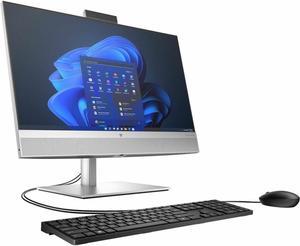



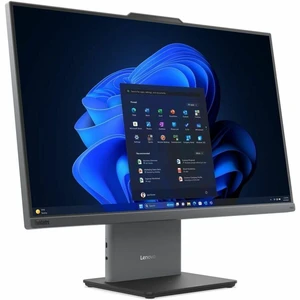
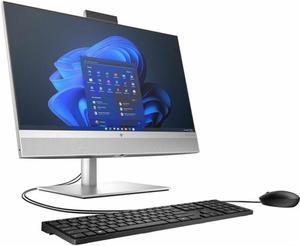
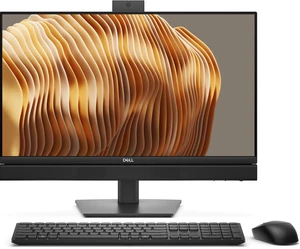

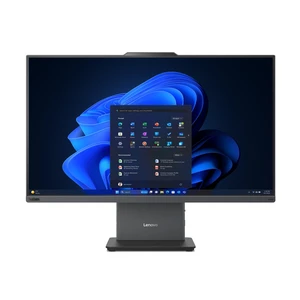

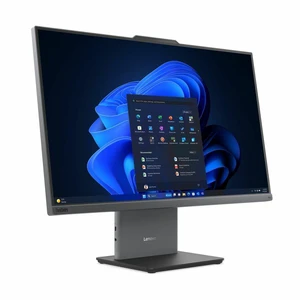

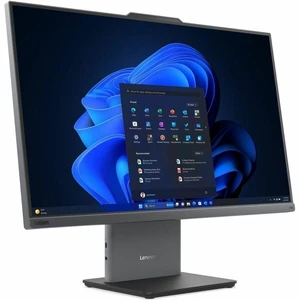
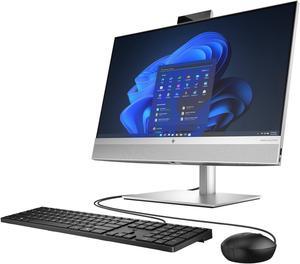


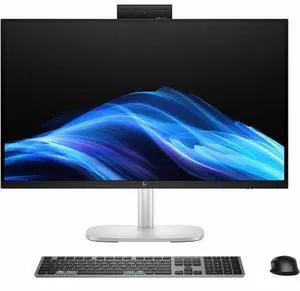
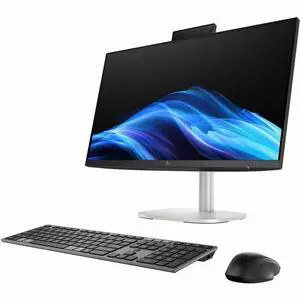


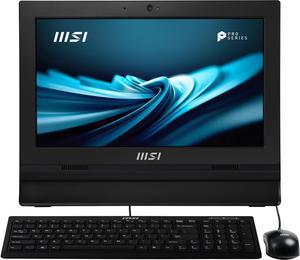






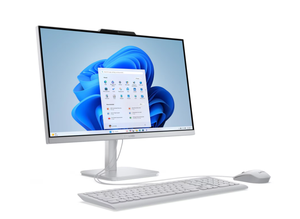


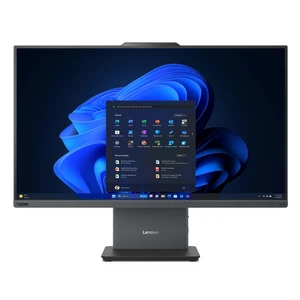


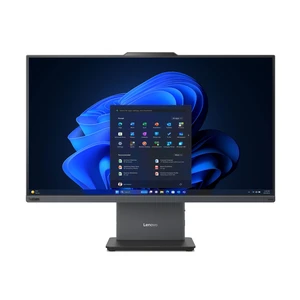


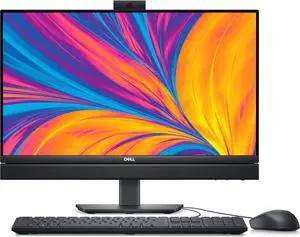
All-in-ones have a clean aesthetic and save space on a table or desk. The computer components are encased with the display hardware. The concept gives you a completely wireless computing experience. If you have a Bluetooth keyboard mouse combo and Wi-Fi connection, the AC power cable is your only cord.
Nearly all manufacturer AIO product lines have both—you can choose from a touchscreen or conventional display. Newer products come equipped with multi-touch screen that replicate the feel of a new tablet. Pinch your fingers to grab a page element, alter zoom, or change orientation. A touch screen is popular choice among those who like a cable-free experience.
Case materials, custom components, and a relatively complex assembly increases the cost per unit compared to a standard desktop computer. You pay the Apple premium for the clean look. You might consider more inexpensive options for a small office PC. Compare the price to performance for a small form factor computer plus a new LCD monitor. You will achieve similar space savings with a bracket-mount for PCs that secure it to the back of a monitor.
People want their desktop PC to look good. Most prefer a slick external casing and pay attention to monitor quality; what constitutes the best all in one PC depends who you ask. Among cheap all-in-ones, a Dell Inspiron with Intel Core i3 CPU gets lots of mention for value and a simple aesthetic. The impressive curved display of HP Envy 34, and the always classy Apple iMac (the original AiO), have great looks at higher price points.
Certain models in the all-in-one form factor make suitable primary business computers for the office. Specifically, HP EliteOne, Dell OptiPlex AiO, Acer Veriton Z, and Lenovo ThinkCentre X1 are designated as professional-grade by OEMs. You may buy PCs with Windows 10 Pro included, or as a Chromebase, an all-in-one installed with Chrome OS.
AiOs aren’t designed to open easily. Also, you are limited to upgrading only the RAM and internal hard drive. It is possible to switch the CPU with another supported by the LGA socket in the motherboard. Regardless of whether they use AMD or Intel chips, AIOs are not conducive to a sensible processor upgrade.
Hardware inside of all-in-one computers is a mixed bag. Details vary across product lines. It often features a powerful desktop Intel Core i7-series CPU in standard LGA sockets on the motherboard—but have SODIMM slots for laptop RAM. Standard 3.5-inch desktop HDDs are too large for most AiOs. Most fit a single 2.5-inch laptop drive inside. Expanding storage requires networking to a storage server, NAS, or external drive array which you’d use for backup.
Certain models of boutique AIOs support discrete video cards. See the ASUS Zen AIiO Pro or Dell Inspiron 7000 as examples. Mostly these are luxury items for home users and gamers. Programs for animation, video editing, 3D design, and high-definition content playback run superbly on these computers if you need a reason to buy one for the office.
Technically you could add an external graphics card (eGPU) as you might for laptop. This is generally reserved for experimental setups. The mini-PCIe slot input in AIO computers is occupied by the Wi-Fi card in many instances.