


 All Categories
Built for How Business Buys.
All Categories










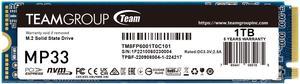

OUT OF STOCK


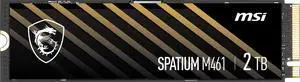
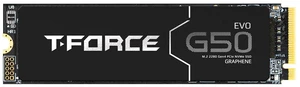
+ $50 off w/ promo code BBNWF325, limited offer
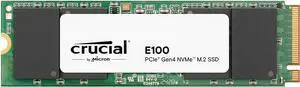

OUT OF STOCK

OUT OF STOCK
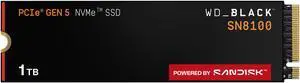
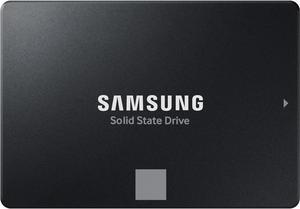
A solid state drive, also sometimes referred to as a solid state hard drive, is a data storage solution that fills a similar role as a hard drive but utilizes no moving parts. Benefits can include increased performance, lower power consumption, quieter operation, and more. Below, NeweggBusiness answers several common questions about solid state drives.
The storage technology used in a solid state drive is similar to that of aUSB flash drive, smartphone, or portable MP3 player. In many of those devices, a flash memory chip is the physical component that stores the data. What is flash memory? It is an integrated circuit that utilizes transistors that can be switched on and off.
Those on and off positions are used to represent either a one or a zero, which can be interpreted as bits of binary code.
The operational lifespan of a solid state drive depends on how it is used, but generally a SSD can last up to several years. Also, a solid state drive does not abruptly stop working after several years of use, but rather its performance starts to slowly degrade over a long period. Because write operations wear out flash memory, they are the biggest determining factors in a SSD’s lifespan.
Compared to a hard drive, a solid state drive typically draws less power at both peak load and idle. For a laptop, upgrading to a laptop SSD can slightly improve battery life. The exact amount can vary with each drive, but the difference in power consumption between a solid state drive and a hard drive is relatively small.