
Enterprise SSDs - Showing 385 - 408 of 1066 Products


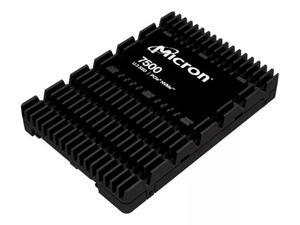
Micron MTFDKCC7T6TGP-1BK1DABYYR 7500 Pro 7.68TB U.3 PCIe 4.0 NVMe SSD
- Type: Control Module
- Model #: MTFDKCC7T6TGP-1BK1DABYY
- Item #: 9SIV1JDKC59465
- Return Policy: Avanti Data Products Return Policy

HPE 877782-B21 2.5" 960GB SATA III MLC Solid State Disk - Enterprise
- 4KB Random Read: Q16: 60,000 IOPS Q32: 65,000 IOPS
- 4KB Random Write: Q16: 45,000 IOPS Q32: 47,500 IOPS
- Power Consumption (Idle): 1.31W
- Power Consumption (Active): MAX 5W
- Height: 7.00mm
- Model #: 877782-B21
- Item #: 9SIV1JD9BP9708
- Return Policy: Avanti Data Products Return Policy
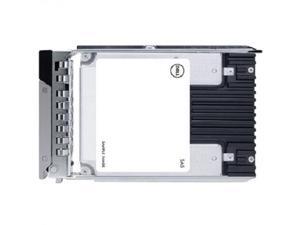

Dell 64G77 PM5-R 3.84 TB Solid State Drive - 2.5" Internal - SAS (12Gb/s SAS) - Read Intensive
- Model #: 64G77
- Item #: 9SIV1JDKC65272
- Return Policy: Avanti Data Products Return Policy
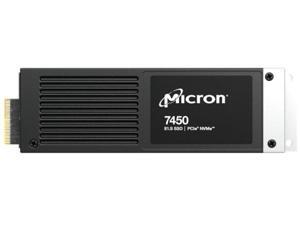
Micron 7450 Pro MTFDKCE7T6TFR-1BC15ABYY 7.68TB E1.S 15mm PCIe 4.0 (NVMe) SED SSD
- Type: Control Module
- Model #: MTFDKCE7T6TFR-1BC15ABYY
- Item #: 9SIV1JDKC59423
- Return Policy: Avanti Data Products Return Policy
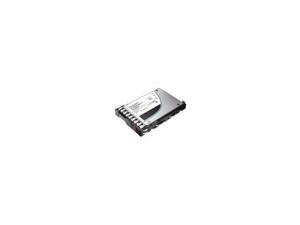
HP 240 GB Internal Solid State Drive - SATA - M.2 2280
- Model #: 875488-B21
- Item #: 9SIV1JDA7S3882
- Return Policy: Avanti Data Products Return Policy
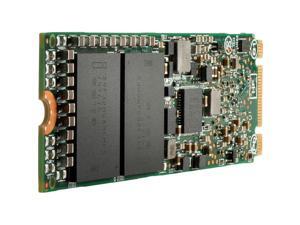
HPE S0F31A Msa 7.68Tb SAS 12G Read Intensive Sff Ssd
- Type: Control Module
- Model #: S0F31A
- Item #: 9SIVMNFKT41487
- Return Policy: haoyuzeshang Return Policy
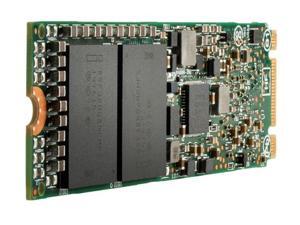
HPE S0D73A Msa 15.36Tb SAS 12G Read Intensive Sff Ssd
- Type: Control Module
- Model #: S0D73A
- Item #: 9SIVMNFKT40951
- Return Policy: haoyuzeshang Return Policy
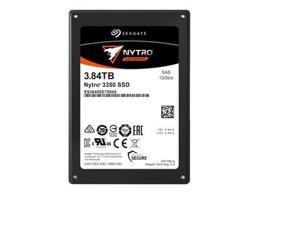

SEAGATE XS3840SE70045 Nytro 3350 3.84tb Sas-12gbps 3d Etlc 2.5-inch 15mm Solid State ...
- Model #: XS3840SE70045
- Item #: 9SIV1JDKC69171
- Return Policy: Avanti Data Products Return Policy
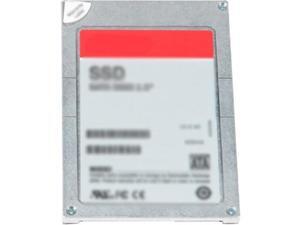
Dell 400-AMDP 3.84 TB Solid State Drive - 2.5" Internal - SAS (12Gb/s SAS)
- Model #: 400-AMDP
- Item #: 9SIV1JDKC66685
- Return Policy: Avanti Data Products Return Policy
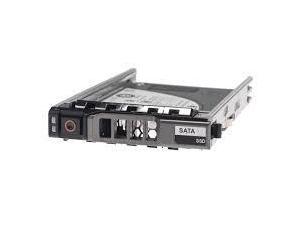
Dell - SSD - Mixed Use - encrypted - 1.92 TB - hot-swap - 2.5" - SAS 12Gb/s - Self-Encrypting ...
- Model #: 345-BCKS
- Item #: 9SIV1JDKC67147
- Return Policy: Avanti Data Products Return Policy
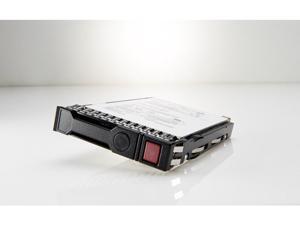
HPE 800GB NVMe High Performance Write Intensive SFF SCN U.2 SSD - EO000800KYDLA
- Type: Control Module
- Model #: EO000800KYDLA
- Item #: 9SIVSYTKUT8887
- Return Policy: SuZhouLiYuanLiXinBaiHuo Return Policy
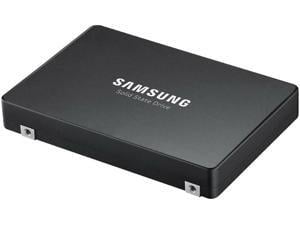

Samsung PM1743 MZWLO3T8HCLS-00B07 - SSD - 3.84 TB - PCIe 5.0 x4 (NVMe) Brand New
- Type: Control Module
- Model #: MZWLO3T8HCLS-00B07
- Item #: 9SIV1JDKC59031
- Return Policy: Avanti Data Products Return Policy
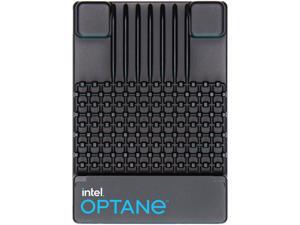

Intel Optane DC P5800X Series 400GB, 2.5" x 15mm, U.2, PCIe 4.0 x4, 3D XPoint Solid State ...
- Max Sequential Read: Up to 7200 MBps
- Max Sequential Write: Up to 4800 MBps
- MTBF: 2,000,000 hours
- Brand: Intel
- Series: Optane SSD DC P5800X
- Form Factor: 2.5" U.2
- Memory Components: 3D XPoint
- Interface: PCI-Express 4.0 x4, NVMe
- Model #: SSDPF21Q400GB01
- Item #: 9SIV1JDKC74064
- Return Policy: Avanti Data Products Return Policy
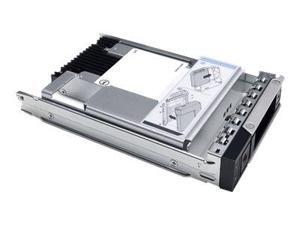
Dell - Customer Kit - SSD - Mixed Use - 960 GB - 2.5" (in 3.5" carrier) - SATA 6Gb/s - for PowerEdge ...
- Model #: 345-BECI
- Item #: 9SIV1JDJWS3491
- Return Policy: Avanti Data Products Return Policy
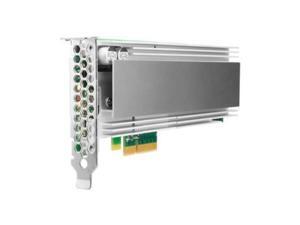
Hpe 3.2tb PCIe MU HHHL aic Ssd 877827-B21
- Model #: 877827-B21
- Item #: 9SIV1JDKC72263
- Return Policy: Avanti Data Products Return Policy
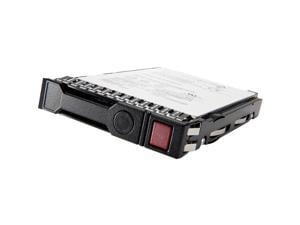
HPE 1.92 TB Solid State Drive 2.5" Internal SAS 12Gb/s SAS Read Intensive R0Q47A
- Model #: R0Q47A
- Item #: 9SIVMNFKT42354
- Return Policy: haoyuzeshang Return Policy
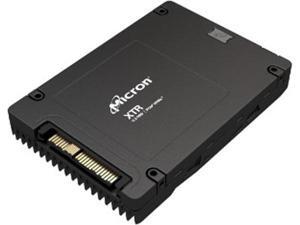
Micron MTFDKCC1T9TFR-1BC1ZHEYY XTR 1.92TB U.3 PCIE 4.0 Nvme SED Solid State Drive
- Type: Control Module
- Model #: MTFDKCC1T9TFR-1BC1ZHEYY
- Item #: 9SIV1JDKC59447
- Return Policy: Avanti Data Products Return Policy
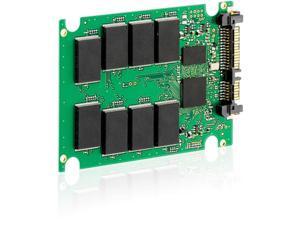
HP 653122-B21 3.5" 100GB SATA II MLC SC Enterprise Mainstream Solid State Drive
- 4KB Random Read: Up to 32,000 IOPS
- 4KB Random Write: Up to 6,000 IOPS
- Max Sequential Read: Up to 257 MBps
- Max Sequential Write: Up to 129 MBps
- Brand: HP
- Form Factor: 3.5"
- Capacity: 100GB
- Memory Components: MLC
- Model #: 653122-B21
- Item #: 9SIV1JDA7S2375
- Return Policy: Avanti Data Products Return Policy
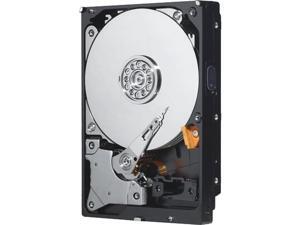
HP 779164-B21 2.5" 200GB SAS 12Gb/s Mainstream Endurance Enterprise Mainstream SC ...
- 4KB Random Read: Up to 70,000 IOPS
- 4KB Random Write: Up to 51,000 IOPS
- Max Sequential Read: Up to 1000 MBps
- Max Sequential Write: Up to 510 MBps
- MTBF: 2,000,000 hours
- Power Consumption (Active): 9W
- Operating Temperature: 0°C ~ +60°C
- Model #: 779164-B21
- Item #: 9SIV1JDA7R4611
- Return Policy: Avanti Data Products Return Policy
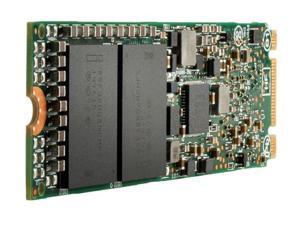
HPE P59818-001 Msa 7.68Tb SAS 12G Read Intensive Sff Ssd
- Type: Control Module
- Model #: P59818-001
- Item #: 9SIVSYTKUT8902
- Return Policy: SuZhouLiYuanLiXinBaiHuo Return Policy
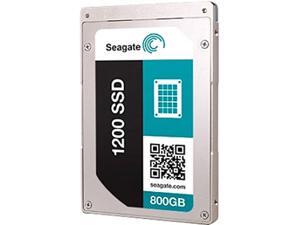
Seagate 1200 SSD ST800FM0063 2.5" 800GB SAS 12Gb/s MLC Enterprise Solid State Drive ...
- 4KB Random Read: Up to 110,000 IOPS
- 4KB Random Write: Up to 40,000 IOPS
- Brand: Seagate
- Series: 1200 SSD
- Form Factor: 2.5"
- Capacity: 800GB
- Memory Components: MLC
- Interface: SAS 12Gb/s
- Model #: ST800FM0063
- Item #: 9SIV1JD7020117
- Return Policy: Avanti Data Products Return Policy
HPE 3.84tb NVMe High Performance Read Intensive sff BC U.3 SSD - P50488-B21
- Type: Control Module
- Model #: P50488-B21
- Item #: 9SIVSYTKUT5506
- Return Policy: SuZhouLiYuanLiXinBaiHuo Return Policy
Samsung PM1743 MZ3LO7T6HBLT 7.68TB PCIe 5.0 x4 (Nvme) E3.S 1T 2.5inch Enterprise ...
- Type: Control Module
- Model #: MZ3LO7T6HBLT
- Item #: 9SIV1JDKC59205
- Return Policy: Avanti Data Products Return Policy
Kingston SEDC3000ME/15T3 DC3000ME 15.36 TB Solid State Drive - 2.5" Internal - U.2 (PCI ...
- 4KB Random Read: Up to 2,700,000 IOPS
- 4KB Random Write: Up to 400,000 IOPS
- Max Sequential Read: Up to 14000 MBps
- Endurance: 1 DWPD
- Max Sequential Write: Up to 9700 MBps
- MTBF: 2,000,000 hours
- Brand: Kingston
- Form Factor: 2.5" U.2
- Model #: SEDC3000ME/15T3
- Item #: 9SIV2XVKUE2829
- Return Policy: High Performance Tech Return Policy
Why an Enterprise SSD?
Introduction
An enterprise SSD is a type of solid state drive that is designed to fit the needs of a server or data center environment. While a client-side SSD may have superior performance compared to a hard drive, it is not ideal for use in server workstations. So what are the differences between a consumer and enterprise solid state drive? Find out below.
Differences
Data Integrity
Data corruption can lead to errors with far-reaching impacts that can harm your organization. It can manifest as a .doc file that cannot be opened or an extra zero in an accounting spreadsheet.
To safeguard against data corruption, enterprise SSDs utilize features such as Error Correction Code (ECC) to find errors and fix them if possible. In addition, many enterprise solid state drives are able to find faulty memory cells that are prone to errors and isolate them to avoid data corruption in the future.
Endurance
There are several different types of flash memory, each with different levels of reliability and performance. The three most common types of memory used for SSDs are triple-level cell (TLC), multi-level cell (MLC), and single-level cell (SLC). The most reliable type is SLC, which is why it is commonly used in enterprise-grade solid state drives.
A flash memory cell has a finite lifespan, and that lifespan shortens each time data is written onto the cell. In a server environment where data is constantly being read and written, enterprise-grade solid state drives that utilize SLC memory cells have the best endurance.
Sustained Performance
When examining SSD performance, users often concentrate on peak data transfer rates. However, peak data transfer rates may not always be sustainable.
In a server environment, having consistent levels of performance is as valuable as having very high levels of performance. SSDs for client computers may sometimes appear to have higher data read/write rates than enterprise solid state drives, but they are not sustainable for long periods.
As a client-side SSD is powered on and in-use, performance levels can slowly drop over time. Enterprise SSDs are designed to have very consistent levels of read/write performance that do not drop greatly, despite high duty cycles.
Energy Efficiency
In addition to better sustained performance, enterprise-grade solid state drives can offer a lower true cost of ownership (TCO) than client-side SSDs. On average, enterprise-grade SSDs have better performance than consumer SSDs for the amount of energy that they consume.