
Enterprise SSDs - Showing 601 - 624 of 1068 Products


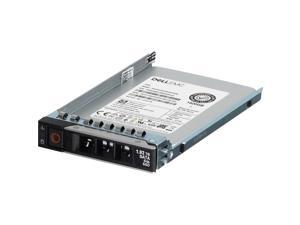

Refurbished: Dell 1.92TB 6Gbps SATA MU TLC 7mm 2.5 SSD SE5031 (GKTF1)
- Brand: Dell
- Model #: 011110794871
- Item #: 9SIV1MCKTB2500
- Return Policy: xByte Technologies Return Policy
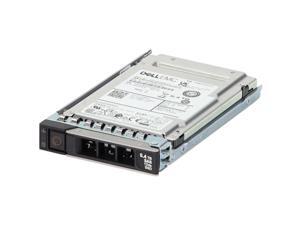
Refurbished: Dell 6.4TB 12/24Gbps SAS MU TLC 2.5 SSD KPM6XVUG6T40 (6NW3J)
- Brand: Dell
- Model: KPM6XVUG6T40
- Model #: 011110919991
- Item #: 9SIV1MCK4V3416
- Return Policy: xByte Technologies Return Policy
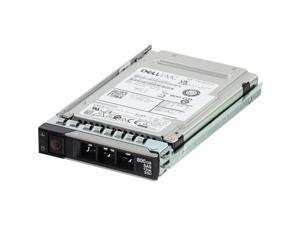
Refurbished: Dell 800GB 12/24Gbps SAS WI TLC 2.5 SSD KPM6XMUG800G (H6GCD)
- Model #: 011110908483
- Item #: 9SIV1MCK4U8111
- Return Policy: xByte Technologies Return Policy
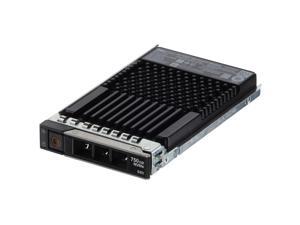
Refurbished: Dell 750GB NVMe Gen3 MU TLC 2.5 SSD P4800X (DX4NF)
- Model #: 011110876720
- Item #: 9SIV1MCKH09171
- Return Policy: xByte Technologies Return Policy
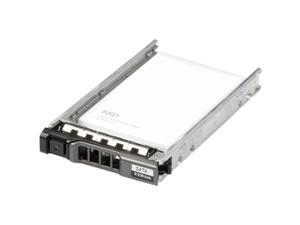
Refurbished: Dell 512GB 3Gbps SATA MU MLC 2.5 SSD SH920 (P55W4)
- Model #: 011110661401
- Item #: 9SIV1MCK4V3417
- Return Policy: xByte Technologies Return Policy
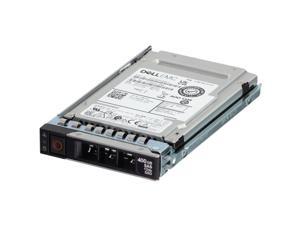
Refurbished: Dell 400GB 12/24Gbps SAS WI TLC 2.5 SSD KPM6XMUG400G (VW3D6)
- Model #: 011110929389
- Item #: 9SIV1MCK9A1976
- Return Policy: xByte Technologies Return Policy
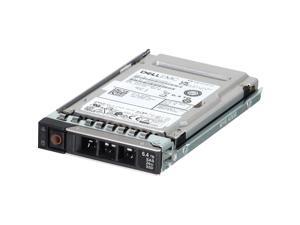
Refurbished: Dell 6.4TB 24Gbps SAS MU TLC 2.5 SSD KPM7XVUG6T40 (R0MNR)
- Brand: Dell
- Interface: SAS
- Model #: 011110115362
- Item #: 9SIV1MCKV27429
- Return Policy: xByte Technologies Return Policy

Refurbished: Dell 960GB 12/24Gbps SAS RI TLC SED FIPS 2.5 SSD KPM6WRUG960G (R9RTY)
- Brand: Dell
- Model #: 011110103970
- Item #: 9SIV1MCKPB3148
- Return Policy: xByte Technologies Return Policy

Refurbished: Dell 60GB 6Gbps SATA MU MLC 1.8 SSD EBT60N9S (1H4WG-OSTK)
- Model #: 011110357526
- Item #: 9SIV1MCK4V3415
- Return Policy: xByte Technologies Return Policy

Refurbished: Dell 960GB 6Gbps SATA RI TLC 7mm 2.5 SSD PM883a (V36D9)
- Model #: 011110853523
- Item #: 9SIV1MCKGT8591
- Return Policy: xByte Technologies Return Policy
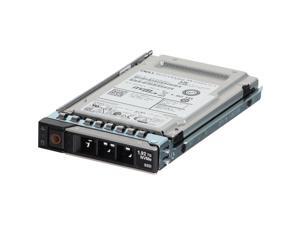
Refurbished: Dell 1.92TB Data Center NVMe Gen4 RI TLC 2.5 SSD CD8-R (NNKCT-CDN)
- Brand: Dell
- Model: KCD8XRUG1T92
- Model #: 011110108999
- Item #: 9SIV1MCKRR4260
- Return Policy: xByte Technologies Return Policy
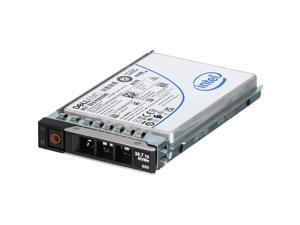
Refurbished: Dell 30.72TB Enterprise NVMe Gen4 VRI QLC 2.5 SSD P5316 (0D4GH)
- Brand: Dell
- Model: SSDPF2NV307TZT, TPHN2
- Model #: 011110058614
- Item #: 9SIV1MCKGU6395
- Return Policy: xByte Technologies Return Policy

Refurbished: Dell 1.6TB SAS 2.5'' 12G MLC Solid State Drive (SSD) 5HR3X
- Model #: 5HR3X
- Item #: 9SIV16GK257482
- Return Policy: ATP Warehouse Return Policy
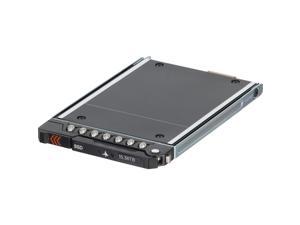
Refurbished: Dell 15.36TB PCIe Gen5 NVMe RI TLC E3.S SSD PM1743 (RRYKC-CDN)
- Brand: DELL
- Type: Rack
- Model #: 011110111876
- Item #: 9SIV1MCKSC6070
- Return Policy: xByte Technologies Return Policy
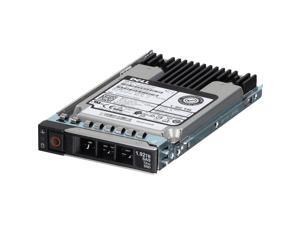
Refurbished: Dell 1.92TB 12Gbps SAS MU MLC 2.5 SSD PX05SVB192Y CPO (V0K7V) -CO3
- Model #: 011110047885
- Item #: 9SIV1MCKGT8592
- Return Policy: xByte Technologies Return Policy
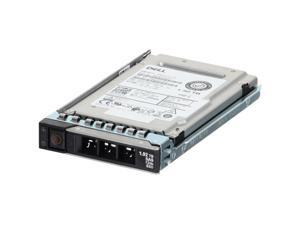
Refurbished: Dell 1.92TB 12Gbps SAS MU TLC 2.5 SSD KPM5XVUG1T92 CPO (2WVYG) -R
- Brand: Dell
- Model: KPM5XVUG1T92
- Model #: 011110988102
- Item #: 9SIV1MCK9A2011
- Return Policy: xByte Technologies Return Policy
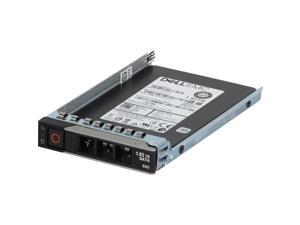
Refurbished: Dell 1.92TB 6Gbps SATA RI TLC 7mm 2.5 SSD 512e 5400 Pro (KXNX5)
- Brand: Dell
- Model: MTFDDAK1T9TGA-1BC1ZABDA
- Model #: 011110028808
- Item #: 9SIV1MCKAW4335
- Return Policy: xByte Technologies Return Policy

Refurbished: 690811-002 HPE 400GB 6G MLC SFF SAS SSD SC Hard Drive
- Model #: 690811-002New
- Item #: 9SIVSYTKUT7781
- Return Policy: SuZhouLiYuanLiXinBaiHuo Return Policy
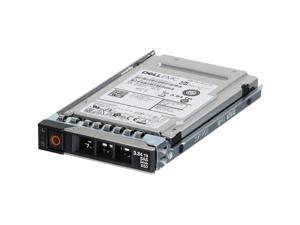
Refurbished: Dell 3.84TB 24Gbps SAS RI TLC 2.5 SSD KPM7XRUG3T84 (MT0R5)
- Model #: 011110030337
- Item #: 9SIV1MCKH14267
- Return Policy: xByte Technologies Return Policy
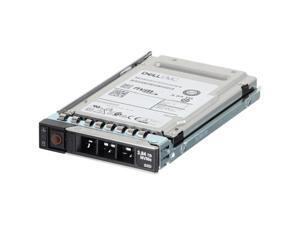
Refurbished: Dell 3.84TB Data Center NVMe Gen4 RI TLC 2.5 SSD CD8-R (N1MK1-CDN)
- Brand: Dell
- Model #: 011110086167
- Item #: 9SIV1MCKTB2497
- Return Policy: xByte Technologies Return Policy

Refurbished: Dell 1.92TB 12/24Gbps SAS MU TLC SED FIPS 2.5 SSD KPM6WVUG1T92 ...
- Model #: 011110904911
- Item #: 9SIV1MCJ1B7000
- Return Policy: xByte Technologies Return Policy
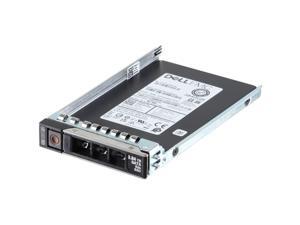
Refurbished: Dell 3.84TB 6Gbps SATA MU TLC 7mm 2.5 SSD 5300 Max (4H1RX)
- Model #: 011110877758
- Item #: 9SIV1MCKH62923
- Return Policy: xByte Technologies Return Policy
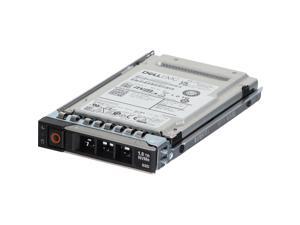
Refurbished: Dell 1.6TB Enterprise NVMe Gen4 MU SED FIPS TLC 2.5 SSD CM6-V (G7N00)
- Model #: 011110032911
- Item #: 9SIV1MCKBE8008
- Return Policy: xByte Technologies Return Policy
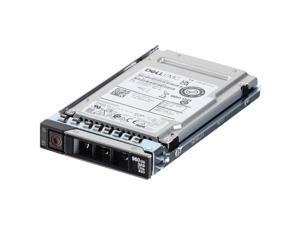
Refurbished: Dell 960GB 12/24Gbps SAS RI TLC 2.5 SSD KPM6XRUG960G CPO (6N7KY-CP1)
- Brand: Dell
- Interface: SAS
- Model #: 011110115065
- Item #: 9SIV1MCKV27430
- Return Policy: xByte Technologies Return Policy
Why an Enterprise SSD?
Introduction
An enterprise SSD is a type of solid state drive that is designed to fit the needs of a server or data center environment. While a client-side SSD may have superior performance compared to a hard drive, it is not ideal for use in server workstations. So what are the differences between a consumer and enterprise solid state drive? Find out below.
Differences
Data Integrity
Data corruption can lead to errors with far-reaching impacts that can harm your organization. It can manifest as a .doc file that cannot be opened or an extra zero in an accounting spreadsheet.
To safeguard against data corruption, enterprise SSDs utilize features such as Error Correction Code (ECC) to find errors and fix them if possible. In addition, many enterprise solid state drives are able to find faulty memory cells that are prone to errors and isolate them to avoid data corruption in the future.
Endurance
There are several different types of flash memory, each with different levels of reliability and performance. The three most common types of memory used for SSDs are triple-level cell (TLC), multi-level cell (MLC), and single-level cell (SLC). The most reliable type is SLC, which is why it is commonly used in enterprise-grade solid state drives.
A flash memory cell has a finite lifespan, and that lifespan shortens each time data is written onto the cell. In a server environment where data is constantly being read and written, enterprise-grade solid state drives that utilize SLC memory cells have the best endurance.
Sustained Performance
When examining SSD performance, users often concentrate on peak data transfer rates. However, peak data transfer rates may not always be sustainable.
In a server environment, having consistent levels of performance is as valuable as having very high levels of performance. SSDs for client computers may sometimes appear to have higher data read/write rates than enterprise solid state drives, but they are not sustainable for long periods.
As a client-side SSD is powered on and in-use, performance levels can slowly drop over time. Enterprise SSDs are designed to have very consistent levels of read/write performance that do not drop greatly, despite high duty cycles.
Energy Efficiency
In addition to better sustained performance, enterprise-grade solid state drives can offer a lower true cost of ownership (TCO) than client-side SSDs. On average, enterprise-grade SSDs have better performance than consumer SSDs for the amount of energy that they consume.