
Speaker - Showing 289 - 312 of 1093 Products
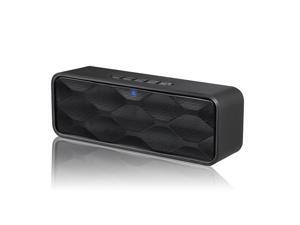
Portable wireless Bluetooth speakers, Portable 4.2 Wireless Speaker EDR Stereo with Loud ...
- Features: High Performance Portable wireless Bluetooth speakers ---High Quality Crystal Clear Sound---: Built-in 2 x 40mm dual driver portable speakerphone with crystal clear sound and strong bass without distortion even at highest volume. ---Louder Volume and More Bass---: Provide 30% louder volume and richer Bass than Other competitors. The Crystal clear deep bass 3W + 3W HD loud speakers for both active outdoor and indoor use. ---Bluetooth 4.2 Technology---: Connect over Bluetooth in seconds to: iPhone, iPad, iPod, Mac, Smartphones, Tablets, To play from Chromebooks, TVs and non-Bluetooth devices use the included 3.5mm audio cable connected to the AUX-IN jack --- BUILT-IN MIC for handsfree speakerphone from Smartphones and iPhones. Plays up to 30 feet (10 meters) from any Bluetooth-enabled device. ---Ultra Portable---: Easy to fit in bag or backpack. Rechargeable Li-ion...
- Model #: BL-BSPS1-BL-FL
- Item #: 9SIV36AKE33786
- Return Policy: Electronics World Return Policy
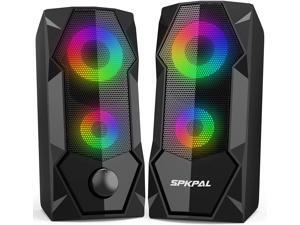
Computer Speakers 10W RGB Gaming PC Speaker with Enhanced Stereo Colorful LED Light, ...
- Model #: HA-MHS263
- Item #: 9SIV36AKE35992
- Return Policy: Electronics World Return Policy
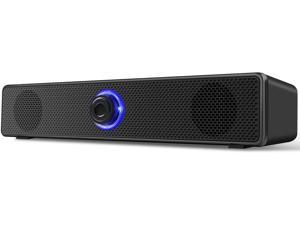
Computer Speakers, USB Powered PC Speakers Wired Stereo Desktop Speakers for ...
- Type: Wired
- Model #: MH-YX00
- Item #: 9SIV36AKE35277
- Return Policy: Electronics World Return Policy
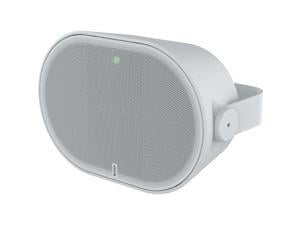
Axis C1110-E
- Model #: 02696-001
- Item #: 9SIV1PMKKW2880
- Return Policy: Busy Electronics Return Policy
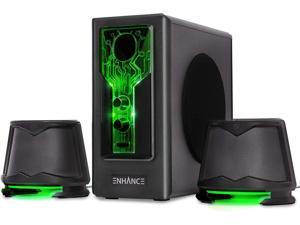
SB 2.1 Computer Speakers with Subwoofer - Red LED Gaming Speakers, High Excursion Sound ...
- Features: POWERFUL SUBWOOFER FOR PREMIUM 2.1 AUDIO: Enhanced with a built-in sub woofer for 80 watt peak power, this computer speaker set provides booming sound and a strong, loud bass for premium audio sound GLOWING, SATELLITE SPEAKERS: Two drivers are designed with soft LED translucent lights that bring a vibrant look to your desk, office or home setup / 5 WATT DRIVERS for clear volume and listening VOLUME & BASS CONTROLS: Adjust the audio levels with integrated on-board controls for rich sound that's customized the way you want it / BUILT-IN LIGHT SWITCH allows the LED's to be turned on/off SIMPLE, EASY CONNECTION: AC Powered (adapter included); 60" cord / Connect the RCA cables to the satellite outputs and 3.5mm AUX cable which you can plug into multimedia devices with a headphone jack BACKED BY 3 YEAR MANUFACTURER'S WARRANTY / TECH SPECS: Speaker Power(2.5W x 2) +10W,...
- Model #: HU-SKZH801
- Item #: 9SIV36AKBN0479
- Return Policy: Electronics World Return Policy
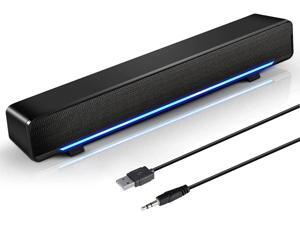
MARBOO Computer Speakers, USB Powered 3.5mm Jack Sound Bar Speakers for Computer ...
- Type: Wired with Bluetooth Wireless
- Model #: COMPSPKJAN462
- Item #: 9SIV36AKBN1171
- Return Policy: Electronics World Return Policy
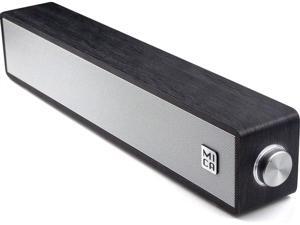
Computer Speakers, Wired Computer Sound Bar, Wooden Mini Soundbar, USB Powered PC ...
- Model #: GU-IAZL02-1
- Item #: 9SIV36AKE35447
- Return Policy: Electronics World Return Policy
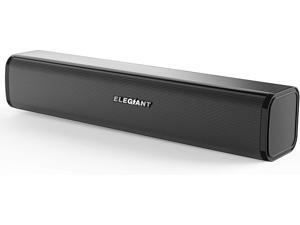
Computer Speakers, ELEGIANT Computer Speakers for Desktop USB Powered 6W PC ...
- Model #: FU-YNW8F
- Item #: 9SIV36AKE33588
- Return Policy: Electronics World Return Policy
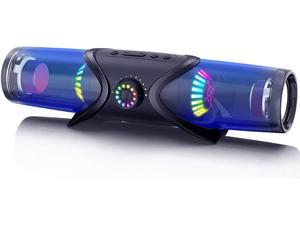
GS03 Wireless Computer Speakers for Desktop, Gaming Speakers with RGB Light for PC, ...
- Type: Wireless
- Model #: ID-VHJONS762
- Item #: 9SIV36AKE32254
- Return Policy: Electronics World Return Policy
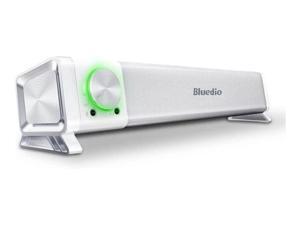
LS Computer Speaker, Stereo USB Powered Mini Soundbar Aux-in Wired Sound Bar&Wireless ...
- Type: Wired
- Dimension: 17.17 x 4.65 x 3.43 inches
- Weight: 1.94 pounds
- Model #: HU-GR94802
- Item #: 9SIV36AKBN0445
- Return Policy: Electronics World Return Policy
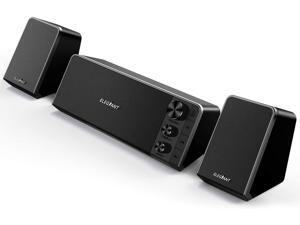
Computer Speakers, Desktop Speakers Bluetooth 5.0 USB PC Speakers with Powerful ...
- Model #: GU-TMSA05-1
- Item #: 9SIV36AKE35459
- Return Policy: Electronics World Return Policy
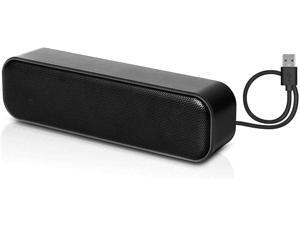
USB Computer Speakers,Laptop Speakers Wired USB Powered,Portable Mini Sound Bar PC ...
- Type: Wired
- Model #: LK-VDSJA4410
- Item #: 9SIV36AKE34359
- Return Policy: Electronics World Return Policy
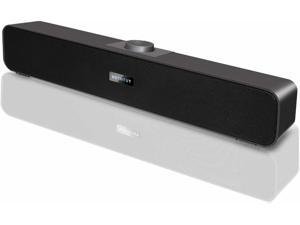
Computer Speakers,Wired USB Desktop Speaker,Stereo USB Powered Desktop Sound Bar
- Type: Wired
- Model #: 0144757
- Item #: 9SIV36AKE52848
- Return Policy: Electronics World Return Policy
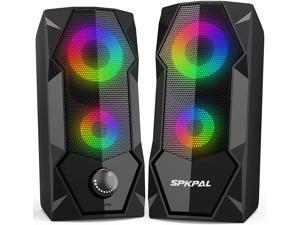
Computer Speakers RGB Gaming Speaker PC 2.0 Wired USB Powered Stereo Volume Control ...
- Model #: HT-B08TH3
- Item #: 9SIV36AKBN1167
- Return Policy: Electronics World Return Policy
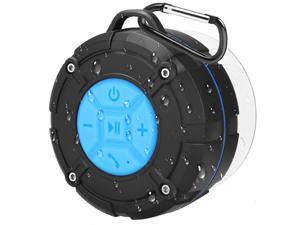
Wireless Bluetooth Speaker, Waterproof Speaker with 8W Louder HD Sound, 10H Playtime ...
- Model #: BL-BSPVTQ1-FL
- Item #: 9SIV36AKE33810
- Return Policy: Electronics World Return Policy
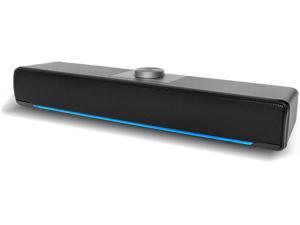
Computer Speakers, USB Powered Sound Bar Speakers for Computer Desktop Laptop ...
- Model #: GU-SPEAKERS120
- Item #: 9SIV36AKE32961
- Return Policy: Electronics World Return Policy
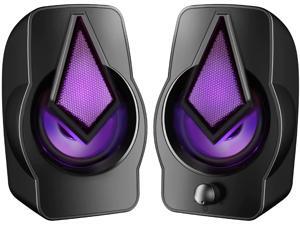
Computer Speakers, Gaming Speakers with RGB Multi-Light Rhythm Modes, PC Computer ...
- Type: Wireless
- Model #: FL-OWXSA4822
- Item #: 9SIV36AKE34046
- Return Policy: Electronics World Return Policy
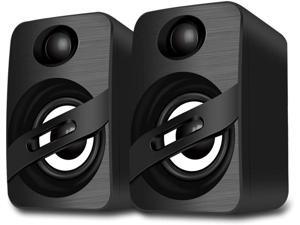
USB-Powered Speakers, PC Speakers,Wired Computer Speaker with Stereo Dynamic Sound ...
- Model #: GU-VAKS03-1
- Item #: 9SIV36AKE35402
- Return Policy: Electronics World Return Policy
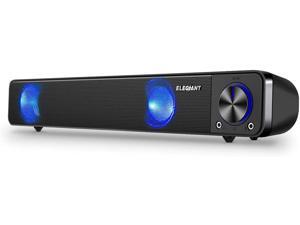
Computer Speakers, Wired Computer Sound Bar, Stereo USB Powered Mini Soundbar ...
- Model #: GU-EJZI02-1
- Item #: 9SIV36AKE35475
- Return Policy: Electronics World Return Policy
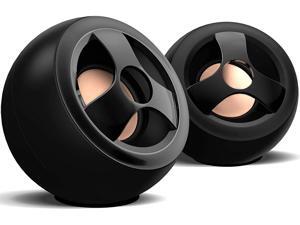
2.0 USB-Powered Desktop Speakers with Far-Field Drivers and Passive Radiators PC ...
- Model #: EL-SIUH456
- Item #: 9SIV36AKE31468
- Return Policy: Electronics World Return Policy
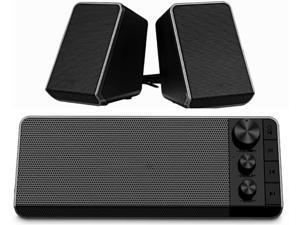
Computer Speakers, USB 2.1 Bluetooth Speakers PC Speakers with 10W Powerful Enhance ...
- Type: Wired
- Model #: ID-GVUXG90095
- Item #: 9SIV36AKE32236
- Return Policy: Electronics World Return Policy
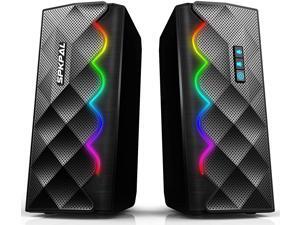
RGB Desktop Speakers,2.0 PC Computer Speakers with Dynamic RGB Light,USB-Powered ...
- Type: Wired with Bluetooth Wireless
- Model #: ID-PP99
- Item #: 9SIV36AKE32603
- Return Policy: Electronics World Return Policy
Computer Speakers,Wired USB Desktop Speaker,Stereo USB Powered Desktop Sound Bar ...
- Model #: GU-SPEAKERS99
- Item #: 9SIV36AKE32945
- Return Policy: Electronics World Return Policy
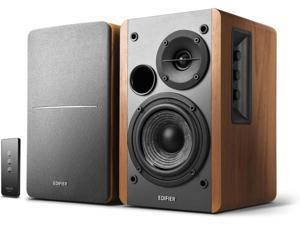
R1280T Powered Bookshelf Speakers - 2.0 Stereo Active Near Field Monitors - Studio Monitor ...
- Type: Wired
- Model #: LK-SDYUW4021
- Item #: 9SIV36AKE34366
- Return Policy: Electronics World Return Policy
Tips for Shopping for Computer Speakers
Introduction
When looking at a product description for a set of computer speakers, you will often see a list of terms and specifications. They convey information such as the amount of power the speakers can output, their range of sound reproduction, and more. Below, NeweggBusiness will explain several important terms and specifications to help you get started in choosing a computer speaker system.
Number of Speakers
A computer speaker system’s configuration describes the number of speakers that it has and is shown as a two digit number separated by a decimal. For instance, 2.1 would mean a total of three speakers, one front left, one front right, and one subwoofer. A 5.1 computer speaker system has a total of six speakers, a single center speaker, two front left and right speakers, two rear left and right speakers, and a single subwoofer. Computer speakers that are listed as 5.1, 7.1, or more are considered surround sound speakers.
Power (RMS and Peak)
Power is an important metric you can use to gauge computer speaker performance. It is measured in watts and indicates the amount of power that a speaker can handle. There are two types of power ratings for speakers, RMS and peak power. RMS is the amount of power that can be continuously sent to a computer speaker without it malfunctioning or being damaged. Peak power is the maximum amount of power that it can accept in short bursts.
Generally, a higher power rating means that a speaker can be louder and clearer. If you are utilizing the speakers in a large room for a large audience and need to raise the volume, a higher power rating is beneficial. A theater room with a projector for example, may require speakers with higher power ratings.
Frequency Response
Frequency response is used to describe the range of frequencies that a speaker can reproduce and is measured in hertz (Hz). If a sound card sends a signal that is outside the speaker’s frequency response range, then the computer speaker will not be able to play it. When shopping for computer speakers, you should try to find a set that matches the frequency response of your sound card.
Signal to Noise Ratio (SNR)
The signal to noise ratio of a computer speaker is a measurement of its sound clarity. The higher the SNR is, the less background noise you will be able to hear. If a set of computer speakers have a low SNR rating, you will be able to hear a slight buzz when raising the volume.