
Speaker - Showing 913 - 936 of 1290 Products
Klipsch RSM-525 Full Indoor/Outdoor Surface Mount Loudspeaker Black Pair 1072013
- Type: Wired
- Model #: 1072013-KF
- Item #: 9SIVF9YKVY2294
- Return Policy: JescorB2B Return Policy
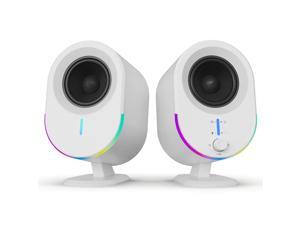
Bluetooth PC Gaming Speakers, 2 * 15W 2.0CH Stereo with 3 EQ & 6 RGB Modes, AC Powered ...
- Signal to Noise Ratio(SNR): 80 decibels
- Features: Bass Boost
- Brand: LITTOAK
- Type: Bookshelf
- Color: White
- Connector Type: Bluetooth
- Dimension: 5.5 in x 8.0 in x 7.0 in
- Weight: 1.91 kilograms
- Model #: 327230948627
- Item #: 9SIVTAJKZ26155
- Return Policy: "Deal Mall" Return Policy
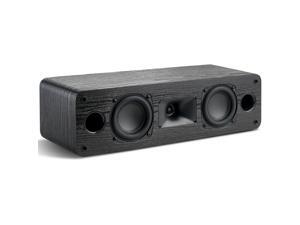
Slim Center Channel Speaker,for Desktop Stereo or Home Theater Surround Sound, Dual ...
- Satellite RMS Power /ea: 90 watts
- Features: Multi Room Audio
- Brand: Saiyin
- Part Number: center channel speaker DS7700M
- Type: Center Channel
- Connector Type: speaker wire
- Total Power: 90 watts
- Impedance: 8 ohm
- Model #: 744138613049
- Item #: 9SIVTJ4KYW5895
- Return Policy: HR Selects Return Policy
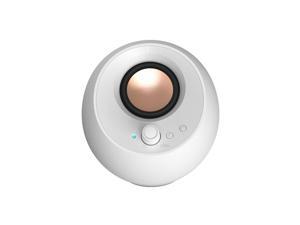
Creative Pebble Pro 2.0 Speaker
- Brand: Creative
- Part Number: 51MF1710AA001
- Type: Wireless
- Color: White
- Configuration: 2.0
- Model #: 51MF1710AA00
- Item #: 9SIVTAKKW91065
- Return Policy: Byteful Return Policy
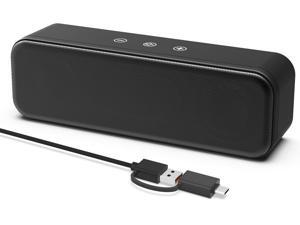
Computer Speakers for Desktop PC Laptop, Wired, USB Plug-in, External Speakers for ...
- Satellite RMS Power /ea: 8 watts
- Driver: dynamic_driver
- Brand: XKX
- Type: Computer Speakers, Desktop Speakers, PC Speakers, Laptop Speakers, USB Speakers, Computer Sound Bar
- Color: Black-Upgraded
- Configuration: 2.0
- Total Power: 8 watts
- Remote: touch
- Model #: 211556766215
- Item #: 9SIVSDPKWA8489
- Return Policy: DigitalDepot Return Policy
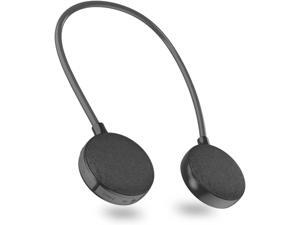
Neckband Bluetooth Speaker - EBS-906, Bluetooth 5.0, Built-in mic, 10H Playtime, Portable ...
- Model #: 889266575718352r30
- Item #: 9SIVN52KPA6936
- Return Policy: yeye Return Policy
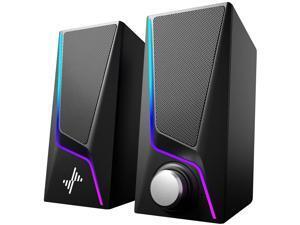
Computer Speakers, PC Speakers with 6 Lighting Modes, USB Powered Computer Speakers ...
- Satellite RMS Power /ea: 5 watts
- Driver: dynamic_driver
- Frequency Response: 20 KHz
- Brand: Nylavee
- Part Number: SK400
- Type: Hi-Fi stereo
- Color: Black
- Configuration: 2.0
- Model #: 849845938923
- Item #: 9SIVSY8KX27834
- Return Policy: YuShuHuaYiShangHang Return Policy
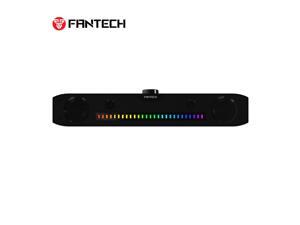
FANTECH GROOVE BAR GS303 Dual Mode Gaming Speaker, Tuned Driver, 3W*2 Speakers, ...
- Brand: FANTECH
- Series: 006_GROOVE BAR GS303-06
- Type: wired/wireless
- Model #: 006_GROOVE BAR GS303-06
- Item #: 9SIVSNUKT96395
- Return Policy: FANTECH Return Policy
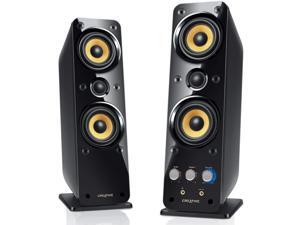
Creative GigaWorks T40 Series II 2.0 Multimedia Speaker System with BasXPort Technology, ...
- Model #: 9158154902662
- Item #: 9SIVTSJM0E9210
- Return Policy: Leionhernut Return Policy
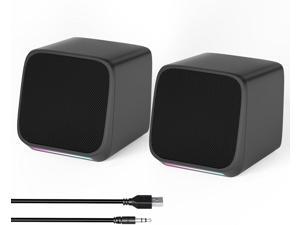
Computer Speakers,Computer Speakers for Desktop PC,Desktop Speakers,Small ...
- Model #: PLTCSPKRJUL3169
- Item #: 9SIVTE0KWF0416
- Return Policy: Nexbyte Return Policy
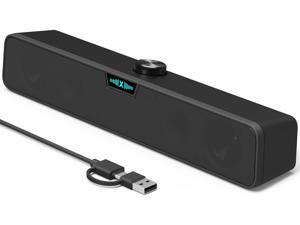
Computer Speakers Soundbar for Desktop PC Mac, USB Plug-in, Wired, External Speakers for ...
- Satellite RMS Power /ea: 10 watts
- Driver: dynamic_driver
- Brand: XKX
- Type: Soundbar
- Color: Black
- Configuration: 2.0
- Connector Type: USB
- Total Power: 10 watts
- Model #: 120164374851
- Item #: 9SIVT2FKWU8987
- Return Policy: YouZiXingBaiHuo Return Policy
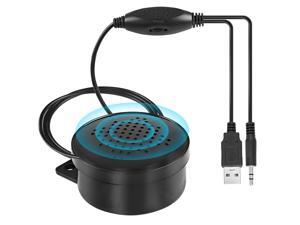
Computer Speakers for Desktop/PC, USB Powered Portable Small PC Speaker with Volume ...
- Satellite RMS Power /ea: 5 watts
- Driver: dynamic_driver
- Frequency Response: 30 hertz
- Features: USB Port
- Brand: MEIRIYFA
- Part Number: mili040
- Type: Computer
- Color: Black
- Model #: 749957630191
- Item #: 9SIVT2FKWU9109
- Return Policy: YouZiXingBaiHuo Return Policy
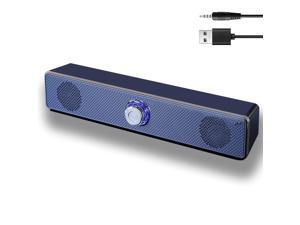
Computer Speakers Wired USB-Powered Sound-bar with Stereo Sound for PC Desktop Plug ...
- Satellite RMS Power /ea: 5 watts
- Brand: GENERIC
- Type: Soundbar
- Color: Black
- Configuration: 2.0
- Connector Type: Auxiliary
- Total Power: 5 watts
- Dimension: 0.05 in x 0.05 in x 0.05 in
- Model #: 971879537908
- Item #: 9SIVTHDKYC5032
- Return Policy: Bisi Global Purchase Return Policy
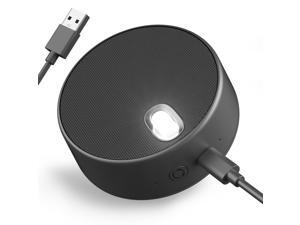
USB Computer Speakers, PC Speaker with Microphone, 2 Sound Modes, Laptop Speaker with ...
- Satellite RMS Power /ea: 3 watts
- Driver: dynamic_driver
- Frequency Response: 10 hertz
- Brand: ROFALL
- Part Number: P1S-3
- Type: Multimedia
- Color: Black
- Configuration: 5.1
- Model #: 892397036446
- Item #: 9SIVSS4KWT5810
- Return Policy: YiManYunDongZhuangBeiSHOP Return Policy
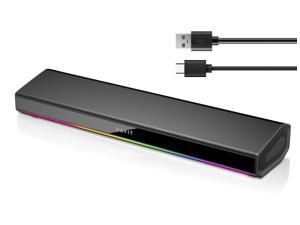
Computer Speakers for Desktop PC, Bluetooth 5.3 Pc Soundbar with Dynamic LED Light, HiFi ...
- Satellite RMS Power /ea: 20 watts
- Driver: dynamic_driver
- Frequency Response: 20 KHz
- Signal to Noise Ratio(SNR): 80 decibels
- Brand: havit
- Part Number: SK770BT
- Type: Computer Speaker, Pc Soundbar
- Color: Black
- Model #: 228895118203
- Item #: 9SIVTHFKY23549
- Return Policy: YWS Prime Return Policy
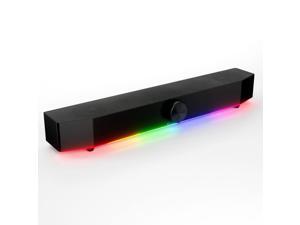
Gaming Soundbar - Monitor Sound Bar for PC - RGB Computer Speakers for Desktop PC ...
- Satellite RMS Power /ea: 40 watts
- Driver: dynamic_driver
- Brand: Tilted Nation
- Part Number: TNPHASERB
- Type: Soundbar
- Color: Black
- Configuration: 2.0
- Connector Type: Bluetooth
- Model #: 213937097869
- Item #: 9SIVSS6KWP2667
- Return Policy: TongXiangDianZiShangWu Return Policy
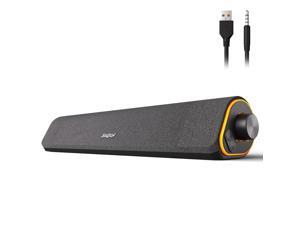
R50 Bluetooth Computer Speakers, 3.5mm PC Sound Bar for Desktop Monitor, Wired USB ...
- Satellite RMS Power /ea: 10 watts
- Driver: dynamic_driver
- Frequency Response: 20 KHz
- Signal to Noise Ratio(SNR): 30 decibels
- Brand: SOULION
- Part Number: R50
- Type: Soundbar
- Color: Dark Grey
- Model #: 930056713872
- Item #: 9SIVSS6KWP2669
- Return Policy: TongXiangDianZiShangWu Return Policy
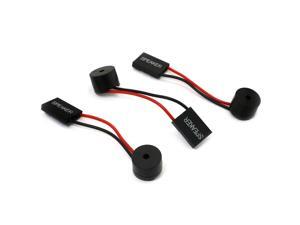
3PCS Internal PC Speaker for Computer Motherboard Alarm Buzzer BIOS Beep
- Brand: E-outstanding
- Part Number: PCS-BUZZE-3
- Type: Computer
- Configuration: 3.0
- Remote: application
- Weight: 0.01 kilograms
- Model #: 030185222331
- Item #: 9SIVTDYKWH7104
- Return Policy: Voltrix Return Policy
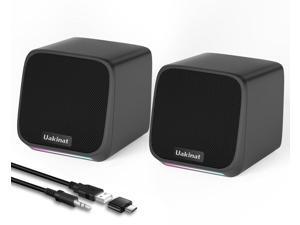
Computer Speakers for Desktop PC,Desktop Speakers,Small Computer Speakers USB ...
- Satellite RMS Power /ea: 6 watts
- Driver: dynamic_driver
- Frequency Response: 20 KHz
- Signal to Noise Ratio(SNR): 60 decibels
- Brand: Uakinat
- Type: Multimedia
- Color: Black
- Configuration: 2.0
- Model #: 643239944835
- Item #: 9SIVST0KWY3531
- Return Policy: JiaLiSiYongBaiHuo Return Policy
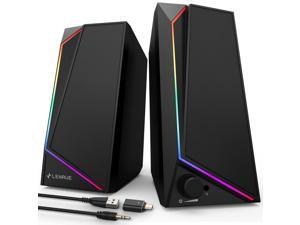
Computer Speakers, USB/USB-C Powered PC Speakers with Loud Stereo Sound, ...
- Satellite RMS Power /ea: 10 watts
- Driver: dynamic_driver
- Features: USB & AUX, USB C Adapter, Headphone Jack
- Brand: LENRUE
- Series: 1000
- Part Number: New LED Colorful
- Type: Computer Speakers
- Color: Black
- Model #: 991223691528
- Item #: 9SIVT2FKWU8999
- Return Policy: YouZiXingBaiHuo Return Policy
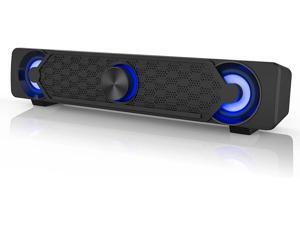
Smalody Computer Speakers, PC Speaker Mini Led Soundbar Cool Design Perfect for Monitor ...
- Type: Wired with Bluetooth Wireless
- Model #: COMPSPKJAN439
- Item #: 9SIV9F7KE28048
- Return Policy: Fashion Technology Return Policy
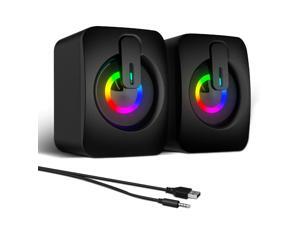
RGB Computer Speakers, USB-Powered PC Speakers with 7-Color LED Backlight, 3.5mm Aux ...
- Satellite RMS Power /ea: 6 watts
- Frequency Response: 20 KHz
- Brand: MELOGAGA
- Part Number: A2
- Type: Satellite
- Color: Black
- Configuration: 2.0
- Connector Type: Auxiliary
- Model #: 745039807000
- Item #: 9SIVT2UKWU6388
- Return Policy: CaiYouYouBaiHuoSHOP Return Policy
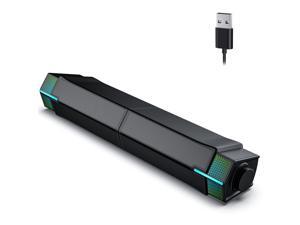
M20 Bluetooth Computer Speakers for PC Desktop Monitor, Gaming PC Sound Bar - Wired ...
- Satellite RMS Power /ea: 10 watts
- Driver: dynamic_driver
- Frequency Response: 20000 hertz
- Brand: Jeecoo
- Series: 20
- Part Number: M20
- Type: Soundbar
- Color: Black
- Model #: 072304075395
- Item #: 9SIVTHFKY23475
- Return Policy: YWS Prime Return Policy
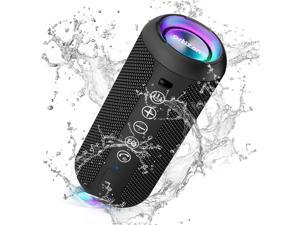
Ortizan Portable Bluetooth Speaker: IPX7 Waterproof, 24W Loud Sound, Deep Bass, ...
- Model #: SOYE632752904079WEI
- Item #: 9SIVTGBKZW7771
- Return Policy: Zeorillniky Return Policy
Tips for Shopping for Computer Speakers
Introduction
When looking at a product description for a set of computer speakers, you will often see a list of terms and specifications. They convey information such as the amount of power the speakers can output, their range of sound reproduction, and more. Below, NeweggBusiness will explain several important terms and specifications to help you get started in choosing a computer speaker system.
Number of Speakers
A computer speaker system’s configuration describes the number of speakers that it has and is shown as a two digit number separated by a decimal. For instance, 2.1 would mean a total of three speakers, one front left, one front right, and one subwoofer. A 5.1 computer speaker system has a total of six speakers, a single center speaker, two front left and right speakers, two rear left and right speakers, and a single subwoofer. Computer speakers that are listed as 5.1, 7.1, or more are considered surround sound speakers.
Power (RMS and Peak)
Power is an important metric you can use to gauge computer speaker performance. It is measured in watts and indicates the amount of power that a speaker can handle. There are two types of power ratings for speakers, RMS and peak power. RMS is the amount of power that can be continuously sent to a computer speaker without it malfunctioning or being damaged. Peak power is the maximum amount of power that it can accept in short bursts.
Generally, a higher power rating means that a speaker can be louder and clearer. If you are utilizing the speakers in a large room for a large audience and need to raise the volume, a higher power rating is beneficial. A theater room with a projector for example, may require speakers with higher power ratings.
Frequency Response
Frequency response is used to describe the range of frequencies that a speaker can reproduce and is measured in hertz (Hz). If a sound card sends a signal that is outside the speaker’s frequency response range, then the computer speaker will not be able to play it. When shopping for computer speakers, you should try to find a set that matches the frequency response of your sound card.
Signal to Noise Ratio (SNR)
The signal to noise ratio of a computer speaker is a measurement of its sound clarity. The higher the SNR is, the less background noise you will be able to hear. If a set of computer speakers have a low SNR rating, you will be able to hear a slight buzz when raising the volume.