  • In Stock
  • Sold by NeweggBusiness
  • New
Brands
Show More
Price
Show More
Network Connection
Network Speed
Printer Connection
Sold by
All Top Brands
Availability
Condition
Useful Links
Customer Ratings
Sort By:
View:
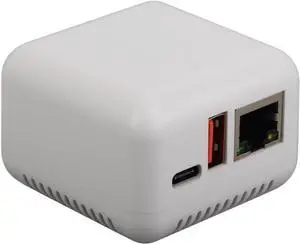
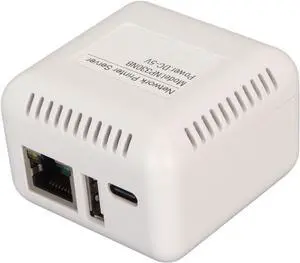
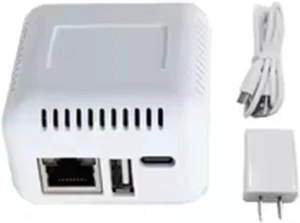
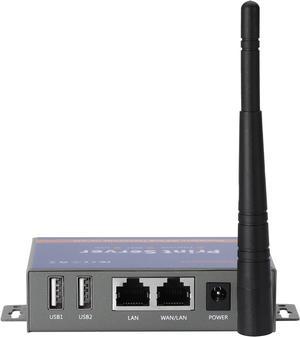
Mini NP330 Network USB 2.0 Print Server(Network Version)
Quick View
  •  
  • $93.99 –
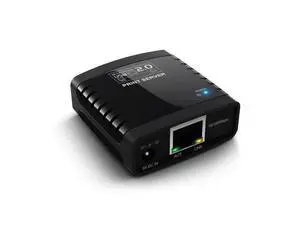
EVGATSAUTO USB Print Server, 10/100Mbps LAN Bridge for 4 Printers, Wired
Quick View
  •  
  • $73.99 –
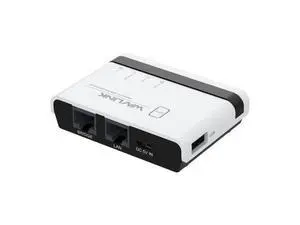
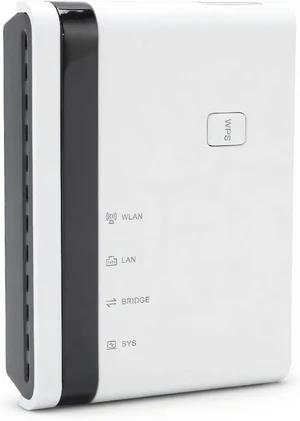
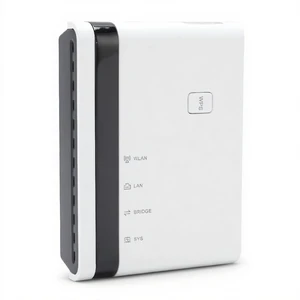
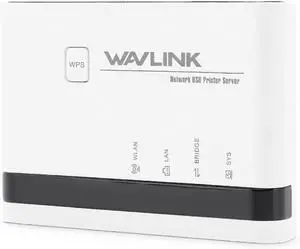
WAVLINK USB2.0 Wireless Printer Server with 10/100Mbps LAN/Bridge NU516U1 European standard
Quick View
  •  
  • $78.99 –
  • $76.59 - $78.99
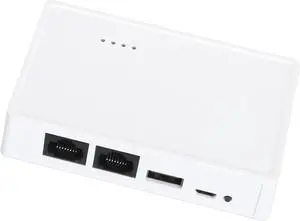
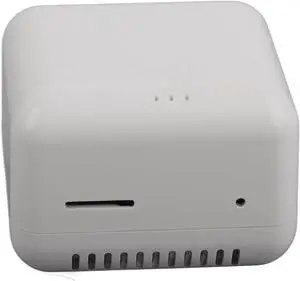
LK100W Wireless Print Server, USB 2.0 Printer Sharing
Quick View
  •  
  • $113.99 –
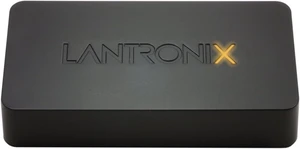
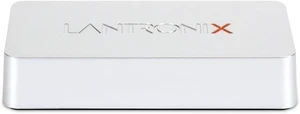
Lantronix xPrintServer Office Edition (XPS1002FC-02-S)
Quick View
  •  
  • $247.99 –
USB 2.0 LRP Print Server Share a LAN Networking USB Printer Ethernet Hub Adapter
Quick View
  •  
  • $62.14 –
J6035G#ACC HP J6035G#ACC HP J6035G#ACC
Quick View
  •  
  • $303.99 –
USB 2.0 LRP Print Server Share a LAN Networking USB Printer Ethernet Hub Adapter
Quick View
USB 2.0 LRP Print Server Share a LAN Networking USB Printer Ethernet Hub Adapter

Limited time offer, ends 11/22
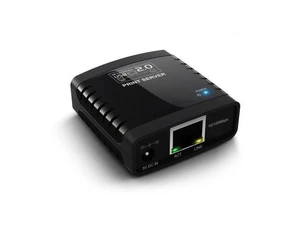
  • Model #: ZFC7F1-OYJ-261109.342
  •  
  • $62.24 –
Lantronix XPS1002CP-01-S xPrintServer Cloud Print Edition
Quick View
  •  
  • $296.99 –
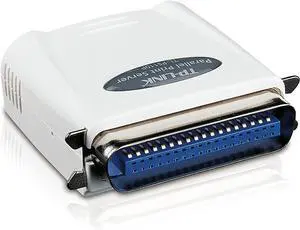
TP-LINK TL-PS110P Single Parallel Port Fast Ethernet Print Server
Quick View
  •  
  • $90.67 –
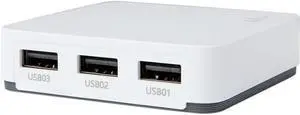
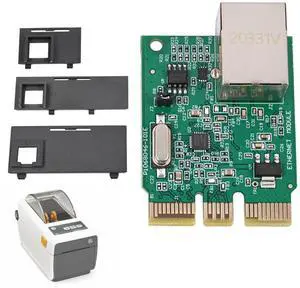
3-Port USB Blue~Tooth Network Print Server
Quick View
  •  
  • $238.99 –
Lantronix xPrintServer Office Edition (XPS1002FC-01-S)
Quick View
  •  
  • $223.99 –
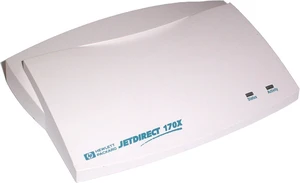
HP JetDirect 170X External Print Server (J3258C#ABA)
Quick View
  •  
  • $215.99 –

What is a Print Server?

Introduction

A print server is a device that can connect one or more printers directly to a computer network. Without a print server, a computer would have to share the printer with the rest of the network. An inefficient setup, as the computer needs to be turned on for the printer to be used. With a network print server, all computers can directly send print jobs to the printer. Below, you will find more information on network print servers and tips for setting up a print server.

Most print servers are wired, with only a few supporting Wi-FiTM connectivity. One advantage of a wireless print server is that you can place the printer and wireless print server anywhere you have space, as long as it is in range of the wireless network. With a wired print server, you will be limited to placing both devices near an Ethernet connection or use a longer Ethernet cable. Some print servers also offer Bluetooth® support, which allows devices to use the printer even if they do not have access to the Ethernet or Wi-Fi network.

Print Server Tips

Below are some general usage tips for print servers.

  • If you already have two or more network printers, you can still benefit from connecting them to a print server. The advantage is that the print server will consolidate multiple print queues into one, and it can intelligently distribute print jobs across several printers to manage load.

  • Some USB print servers also have parallel connections, which will allow you to not only keep using your older parallel-port printers, but also give them network functionality.

  • Select wireless print servers have the ability to be used as wireless range extenders and repeaters. So if sections of an office are not in range of a wireless router, a print server can be used to extend the Wi-Fi network to those areas.
  • Wireless print servers will also have Ethernet ports, as an Ethernet connection is required for initial setup. If your organization does not have a Wi-Fi network, you can utilize that Ethernet connection to turn the print server into a wireless access point(WAP) and broadcast the network.

  • Before setting up your network print server, ensure that your printer is in working order by plugging it into a computer directly. If the computer can detect and use the printer, then you can proceed to connect the printer to the print server. If the printer is not detected, then you will have to see if there is a hardware issue with the printer before continuing. This will make troubleshooting easier if you have problems later on during setup.

  • If the print server is connected to a router rather than to the computers directly, set up a static IP address for the print server in your router’s web configuration tool. Otherwise, the IP address for the print server can change, and your computers will need to be redirected to the new IP every time it updates.