


Featured Brands

SHOP BY Screen Size

Quick View
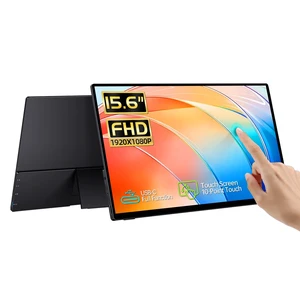
NEWSOUL Portable Monitor 4K 15.6-inch, 450 cd/m² High Brightness 100% sRGB Color Gamut IPS HDR FreeSync Laptop Display, USB C HDMI Monitor / VESA
- Screen Size: 15.6"
- Resolution: 3840 x 2160 (4K)
- Panel: IPS
- Display Type: FHD
- Model #: M156A07-B
- $117.66 –
- More options from $117.66 - $138.94
Quick View
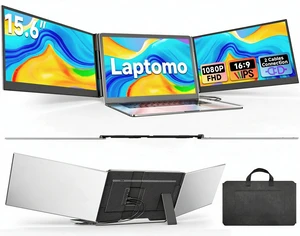
Laptop Screen Extender 15.6", FHD 1080P Portable Triple Monitor for Laptops 13-17.3", 0.16" Ultra-Thin Dual Laptop Monitor Extender for Windows/Mac/Dex/Chrome/Surface, Plug n Play
- Cabinet Color: Sliver
- Screen Size: 15.6"
- Touchscreen Interface: IPS
- Resolution: 1080 x 1920
- Model #: Laptomo-P7-16
- $215.99 –
Quick View
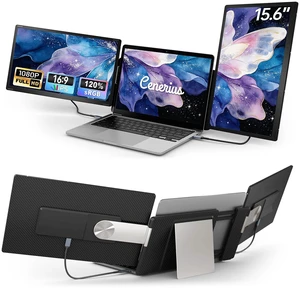
Cenerius 15.6" Laptop Screen Extender Triple Monitor 1080P FHD
- Model #: 916268673019
- $335.99 –
Quick View
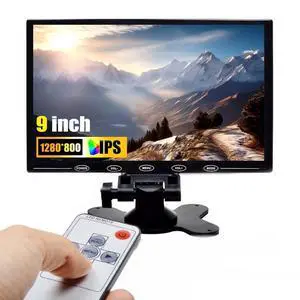
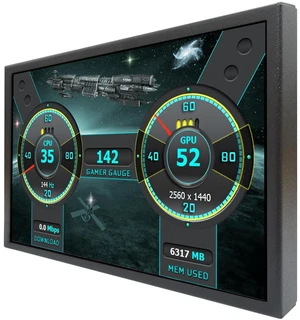
VSDISPLAY 8'' 1280x800 PC Case Screen IPS Portable Small Monitor,Black
- Model #: 880395190902
- $128.99 –
Quick View
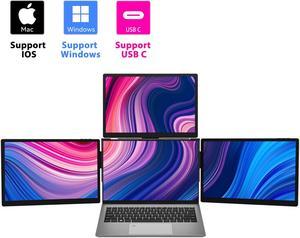
Portable Monitor 13.3" Triple Screen Extender with Build-in Stand, JIMTAB 1920 * 1200 IPS 16:10 Monitors, Built-in Monitor Holder RJ45/ USB 3.0/Type-C Plug and Play Display for Laptop 13-16 Inch
- Brand: JIMTAB
- Cabinet Color: Black
- Screen Size: 13.3"
- Touchscreen Interface: IPS
- Model #: SBN-Monitor-13T
- $1,499.99 –
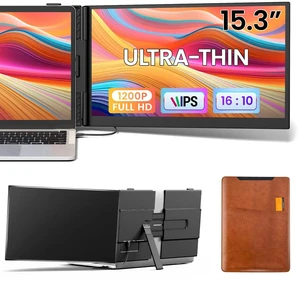
Quick View
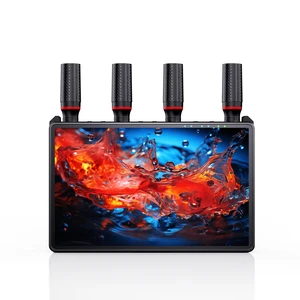
Vixtan Laptop Screen Extender 15.3" FHD 1080P Portable Dual Monitor
- Model #: 880395416231
- $241.99 –
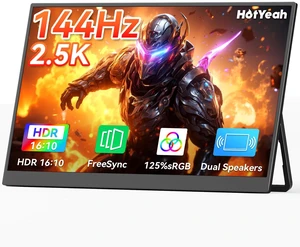
Quick View
HotYeah 16" 2.5K 144Hz Portable Gaming Monitor, 2560x1600 QHD 125% sRGB
- Model #: 880395378386
- $177.99 –
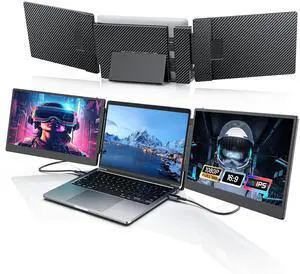
Quick View
Portable Monitor for Laptop, 14" Triple Laptop Screen Extender, FHD 1080p Portable Monitor Screen Expansion, Plug & Play No Driver Required, Compatible with Windows Mac Android
- Brand: Laptomo
- Cabinet Color: Black
- Screen Size: 14"
- Touchscreen Interface: IPS
- Model #: Laptomo-S3-3
- $180.99 –
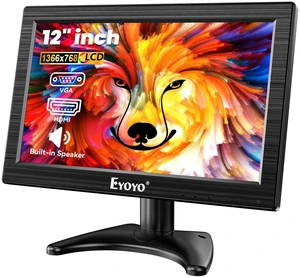
Quick View
Eyoyo 12" Inch LCD Monitor AV HDMI BNC VGA 1366x768 Portable Remote Video Screen
- Model #: 116944581946
- $159.99 –
Quick View
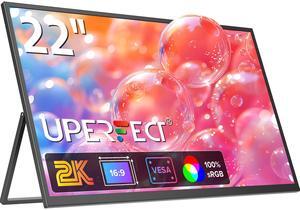
UPERFECT 22" Portable Monitor 2560*1440 2K QHD LCD Game Display IPS Panel USB C HDMI Computer Screen with VESA
- Cabinet Color: Black
- Screen Size: 22"
- Resolution: 2560 x 1440 (2K)
- Brightness: 300 cd/m2
- Model #: M220T01W-W
- $239.99 –
Quick View
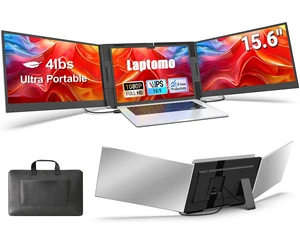
15.6 Laptop Screen Extender, 1080P FHD Ultra Light & Portable Triple Monitor for Laptops, Fit for 12"-17.3" Laptops, Plug & Play Travel Monitor Extender Compatible with Wins/MacOS/Chrome
- Cabinet Color: Sliver
- Screen Size: 15.6"
- Touchscreen Interface: IPS
- Resolution: 1080 x 1920
- Model #: Laptomo-P7-12
- $359.99 –
Quick View
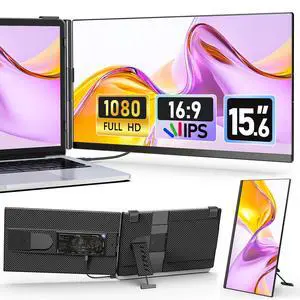
Detachable 15.6" FHD 1080P IPS Portable Dual Monitor, Plug & Play Laptop Screen Extender for 13 - 17" Laptops, USB-C & HDMI, Compatible with Windows, macOS, Android & ChromeOS
- Brand: Laptomo
- Cabinet Color: Black
- Screen Size: 15.6"
- Touchscreen Interface: IPS
- Model #: Laptomo-P5-7
- $129.99 –
Quick View
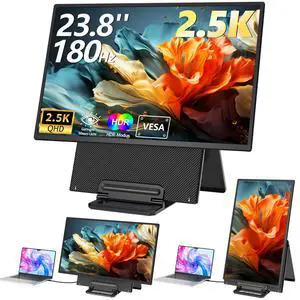
23.8" 2.5K QHD Portable Monitor, 180Hz IPS Display (2560×1440), Height-Adjustable Stand, USB-C, USB-A & HDMI, VESA Compatible External Monitor for Laptop, MacBook, PC, Xbox & PS5
- Brand: Laptomo
- Cabinet Color: Black
- Screen Size: 23.8"
- Touchscreen Interface: IPS
- Model #: Laptomo-D1-QHD
- $249.99 –
Quick View
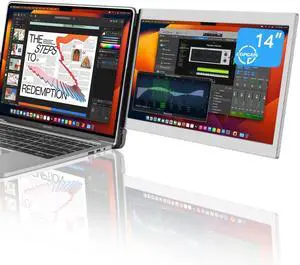
CopGain 14'' Dual Laptop Screen Extender 1080P Portable for 16.2'' MacBook
- Model #: 617327102388
- $79.99 –
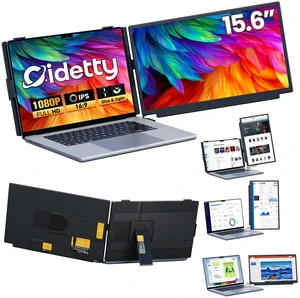
Quick View
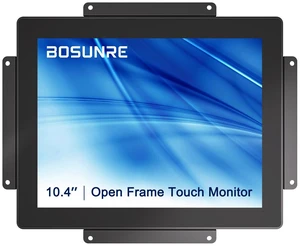
CIDETTY Laptop Screen Extender Monitor Portable, 15.6" FHD 1080P Detachable Monitor for Laptop
- Model #: 617327335526
- $270.99 –
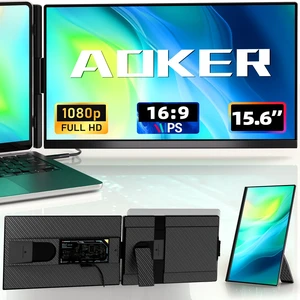
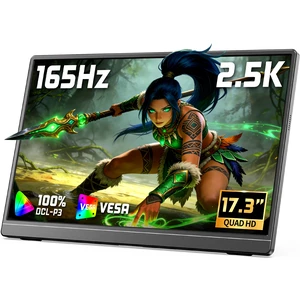
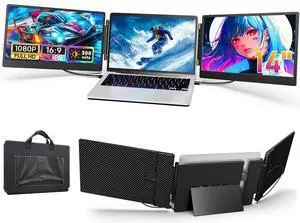
Quick View
Laptop Screen Extender, 14" FHD 1080P Triple Portable Monitor for 13"-17" Laptops, Ultra-Slim IPS Display with Built-in Stand & Dual Speakers, HDMI/Type-C/USB-A Plug and Play, Travel/Home/Office
- Brand: Laptomo
- Cabinet Color: Black
- Screen Size: 14"
- Touchscreen Interface: IPS
- Model #: Laptomo-S3-4
- $182.99 –
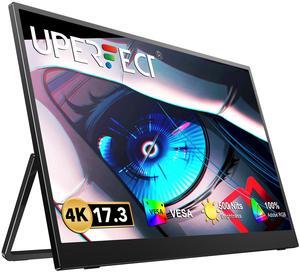
Quick View

- Brand: UPERFECT
- Cabinet Color: Black
- Screen Size: 17.3"
- Touchscreen Interface: Serial/USB
- Model #: M173J06-B
- $249.99 –
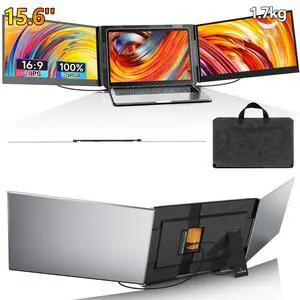
Quick View
Laptop Screen Extender Triple 15.6", 1080P FHD IPS 0.18" Ultra-Slim & 3.9 lbs, Plug-Play Portable Monitor for Laptops Fits 12-17" Laptops, Compatible with Win/Mac/Android
- Brand: Laptomo
- Cabinet Color: Sliver
- Screen Size: 15.6"
- Touchscreen Interface: IPS
- Model #: Laptomo-P7-9
- $224.99 –
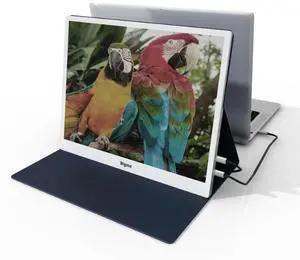
Quick View
Refurbished Bigme B13 13.3''Color Eink Monitor with Dual Type-C and Mini HDMI Ports, Built-in Speakers
- Screen Size: 13.3"
- Resolution: 3200x2400
- HDMI: Yes
- Model #: B13 used
- $539.99 –
Questions to Ask When Buying a Touch Screen Monitor
Introduction
In recent years, touch screen monitors have become more prevalent than ever. They have always been popular for point of sale computers and specialized workstations, but now are also more widely used with desktops and laptops for general office tasks. Microsoft® Windows® 8 furthers this trend by being much more touch-compatible than any other Windows operating system ever before. However, shopping for a touch screen monitor for a desktop or laptop computer will require you to a bit more selective than shopping for a non-touchscreen monitor.
As with shopping for a conventional monitor, some core considerations include: resolution, price, size, and panel type. The resolution of a monitor will determine the how much detail it is able to display, and you should aim for a 1920 × 1080 monitor if your budget allows. You should also consider what type of panel technology a touch screen monitor uses, as it can affect color accuracy, response time, and viewing angles.
The most common panel technologies for touchscreen monitors are: twisted nematic (TN), vertical alignment (VA), and in-plane-switching (IPS). Twisted nematic (TN) is the most common LCD monitor panel technology due to its low cost but has narrower viewing angles and less color accuracy than other panel technologies. VA and IPS panels offer superior viewing angles and color accuracy, but are more expensive. If you expect that the touch screen monitor will be used by a single user looking at it straight on, then a TN panel will be just fine. However, if it is going to be constantly viewed from the sides then you will need to look for a VA or IPS display.
When shopping for a non-touchscreen monitor, the importance of the stand is often downplayed and the focus is more on the display. For touch screen monitors though, the stand plays a central role. Because users will be touching the monitor with varying amounts of force, the stand will need to be sturdy enough to hold the monitor in place. Also, it needs to offer a large amount of adjustability for customizable ergonomics.
A touch screen monitor relies on its stand being both adjustable and also sturdy.
If your organization plans to use a touchscreen monitor with Windows 8, one of the most important considerations will be Windows 8 certification. Why does it matter? Because Windows 8 allows for greater touch input than any other desktop operating system before it and some inputs will require hardware functionality that not all touch screen monitors are capable of. Only touch screen monitors that meet Microsoft’s stringent hardware requirements are certified.
A touch screen monitor that is not Windows 8 certified will not be able to take full advantage of Windows 8’s touch-input features. For instance, a touch screen monitor with a large bezel surrounding the screen will not meet Windows 8 certification requirements because the bezel may interfere with edge to edge swiping motions. There are also more obscure requirements such as a touch screen monitor’s digitizer being human interface device (HID) complaint, which ensures that no software drivers are needed for the touchscreen functionality to work.
Touch screen monitors are more popular than ever, and new operating systems continue to integrate touch functionality into their designs. So if you are shopping for a touch screen monitor, not only should you consider the basic criteria such as resolution, price, size but also additional criteria such as panel type, and adjustability.