
Battery Backup (UPS) - Showing 697 - 720 of 1046 Products


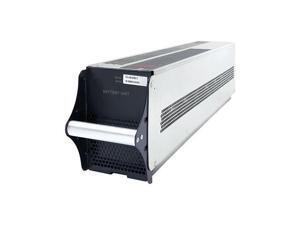
APC SYBTU1-PLP UPS BATTERY LEAD ACID - 4.3 IN X 24 IN X 7 IN - 50 LBS (SYBTU1-PLP--)
- Model #: SYBTU1-PLP---0
- Item #: 9SIVB0EHWV0380
- Return Policy: Best Electronics Return Policy
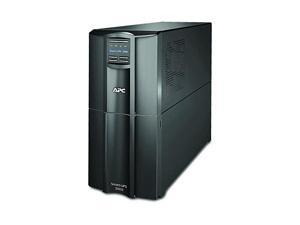
APC 3000VA Smart UPS with SmartConnect, SMT3000C Sinewave UPS Battery Backup, AVR, ...
- Model #: SMT3000C-0
- Item #: 9SIVB0EHWJ5484
- Return Policy: Best Electronics Return Policy
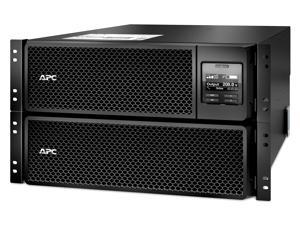
APC Smart-UPS On-Line SRT10KXLT 8000 VA 8000 W 7 Outlets UPS
- Outlets: 7
- Output Frequency: 50/60Hz +/- 3 Hz
- Battery Recharge Time: 1.5 Hour(s)
- Series: Smart-UPS On-Line
- Input Voltage Range: 208 V
- Input Frequency: 40 - 70 Hz (auto sensing)
- Input Connection: Hard Wire 3-wire (2PH + G)
- Output Voltage: 208V
- Model #: SRT8KRMXLT
- Item #: 9SIVB0EK5G2119
- Return Policy: Best Electronics Return Policy
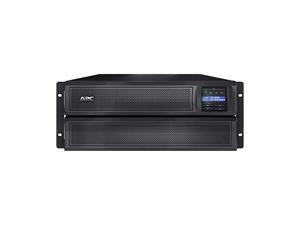
Schneider Electric IT USA SMX2000LV Smart-UPS X 2000VA Rack and Tower LCD 100-127V ...
- Model #: SMX2000LV-0
- Item #: 9SIVB0EHWJ5532
- Return Policy: Best Electronics Return Policy
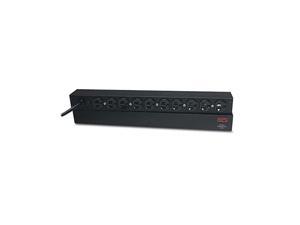
APC Rack Mount PDU, Basic 100V-120V/15A, (10) Outlets, 1U Horizontal Rackmount ...
- Model #: AP9562-0
- Item #: 9SIVB0EHF21934
- Return Policy: Best Electronics Return Policy
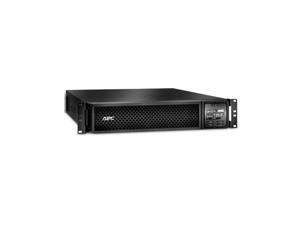
APC Smart-UPS SRT 2200VA RM 120V (SRT2200RMXLA)
- Model #: SRT2200RMXLA-0
- Item #: 9SIVB0EHWJ5540
- Return Policy: Best Electronics Return Policy
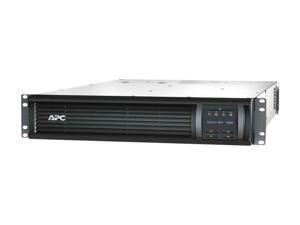
APC Smart-UPS 3000VA SmartConnect Port 2U Rackmount, LCD, 120V
- Model #: BESMT3000RM2UC
- Item #: 9SIVB0EHWJ5549
- Return Policy: Best Electronics Return Policy
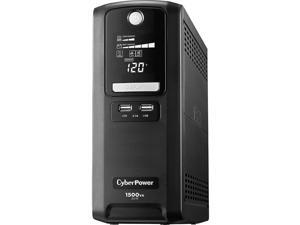
CyberPower 10-Outlet 1500VA PC Battery Back-Up System & Surge Protector
- Model #: BH09Q5W32Z
- Item #: 9SIVB0EHYS8853
- Return Policy: Best Electronics Return Policy
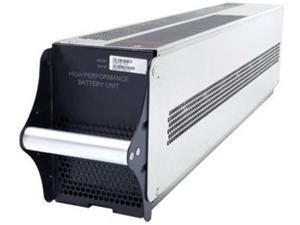
APC UPS Battery Module - 9000 mAh - Lead Acid SYBTU2-PLP
- Model #: BE0H79ZC5V8D
- Item #: 9SIVB0EHWV0419
- Return Policy: Best Electronics Return Policy
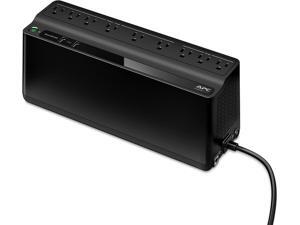
APC UPS Battery Backup and Surge Protector, 850VA Backup Battery Power Supply, BE850G2 ...
- Model #: BEH09AZCXV
- Item #: 9SIVB0EHZ89142
- Return Policy: Best Electronics Return Policy
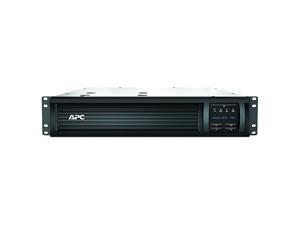
750VA Smart UPS with SmartConnect, SMT750RM2UC Rack Mount UPS Battery Backup, ...
- Model #: HHFmr-B075V8G9BR
- Item #: 9SIVB0EHAY3246
- Return Policy: Best Electronics Return Policy
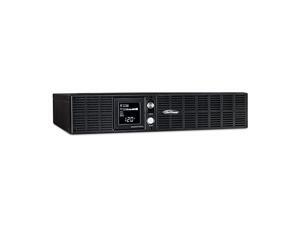
OR2200PFCRT2U PFC Sinewave UPS System 2000VA1540W 8 Outlets AVR 2U ...
- Model #: sUsfh-B003OJAHW0
- Item #: 9SIVB0EHC07105
- Return Policy: Best Electronics Return Policy
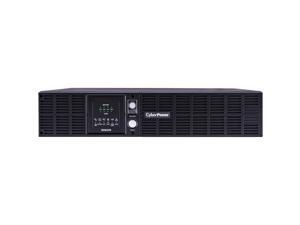
CyberPower Smart App LCD UPS Series CPS1500AVR 1500 VA 900 Watts 8 Outlets UPS
- Outlets: 8
- Battery Run Time: 18 minutes at Half Load 7 minutes at Full Load
- Output Frequency: 50/60Hz +/- 1%
- Battery Recharge Time: 8 hours
- Series: Smart App LCD UPS Series
- International Version: 120V
- Input Voltage Range: 90 - 140V
- Input Frequency: 47 - 63 Hz
- Model #: CPS_1500_AVR
- Item #: 9SIV18MJMU1605
- Return Policy: Adorama Camera Return Policy
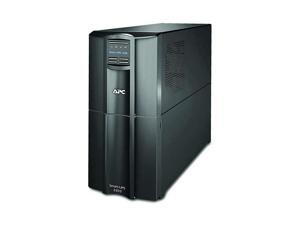
APC Smart-UPS 1.98 kW 2200 VA - with APC SmartConnect P/N: SMT2200C
- Model #: BHQ08AD5C3V
- Item #: 9SIVB0EHZ89023
- Return Policy: Best Electronics Return Policy
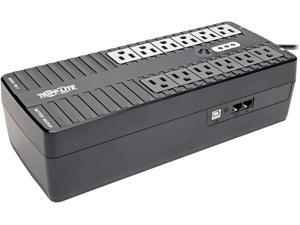
Tripp Lite 750VA UPS Desktop Battery Back Up, 12 Outlet, 450W 120V Standby, ...
- Model #: BEINTERNET750U
- Item #: 9SIVB0EHZ89121
- Return Policy: Best Electronics Return Policy
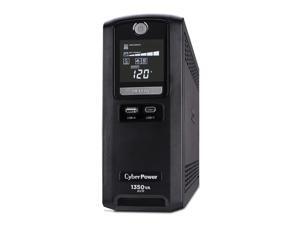
CyberPower CST135UC 1350VA/810W Simulated Sinewave LCD Battery Backup UPS System
- Model #: CST135UC
- Item #: 9SIV18MKRN4468
- Return Policy: Adorama Camera Return Policy
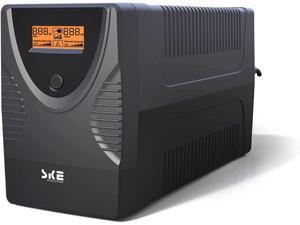
850VA/480W Computer Battery Backup Power Supply and Surge Protector,Uninterruptible ...
- Model #: BEC6ZEH48N
- Item #: 9SIVB0EJNB0424
- Return Policy: Best Electronics Return Policy
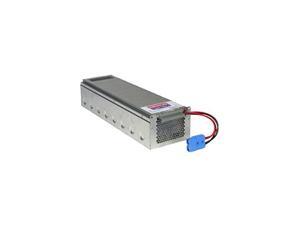
American Battery RBC27 UPS Replacement Battery for APC (RBC27)
- Model #: RBC27-0
- Item #: 9SIVB0EHYS8746
- Return Policy: Best Electronics Return Policy
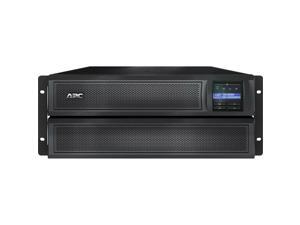
APC Smart-UPS X 3000 Rack/Tower LCD UPS 2700 Watt 3000 VA
- Model #: BESMX3000LVNC
- Item #: 9SIVB0EHWJ5523
- Return Policy: Best Electronics Return Policy
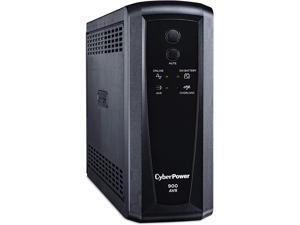
CyberPower CP900AVR AVR UPS System, 900VA/560W, 10 Outlets, Mini-Tower
- Model #: TB000ARA51C
- Item #: 9SIVB0EH9V8041
- Return Policy: Best Electronics Return Policy
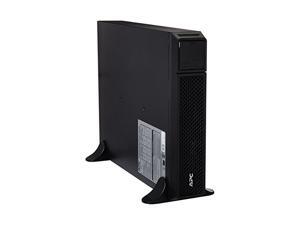
APC UPS 2200VA Smart-UPS Single Phase Online Uninterruptible Power Supply ...
- Model #: SRT2200XLA-0
- Item #: 9SIVB0EHWJ5502
- Return Policy: Best Electronics Return Policy
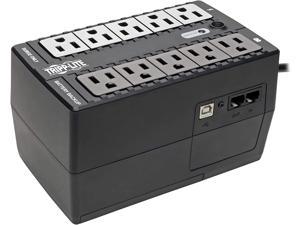
Tripp Lite 550VA UPS Desktop Battery Back Up, 8 Outlet, 300W 120V Standby, Ultra-Compact, ...
- Model #: JISU972HF2F
- Item #: 9SIVB0EJMD4436
- Return Policy: Best Electronics Return Policy
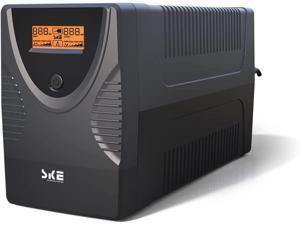
1500VA/900W Computer Battery Backup Power Supply and Surge Protector,Uninterruptible ...
- Model #: BECZ0TW96
- Item #: 9SIVB0EJNB0416
- Return Policy: Best Electronics Return Policy
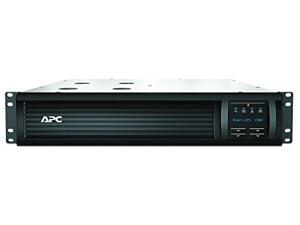
APC SMT1500RM2UCUS Smart-UPS, Line Interactive, 1500VA, Rackmount 2U, 120V, 6x ...
- Battery Run Time: Run time Half Load (500W): Approximately 23 minutes Full Load (1000W): Approximately 6 minutes
- Brand: APC
- Interface Port: RJ-45, USB, Smart-Slot
- Rackmountable: Yes
- Model #: SMT1500RM2UCUS
- Item #: 9SIVB0EHWJ5489
- Return Policy: Best Electronics Return Policy
What is an Uninterruptible Power Supply?
Your organization can function without utilizing uninterruptible power supplies (UPS), but it is far from ideal. A UPS can protect your organization’s computer workstations and other electronic equipment from spikes in power, supply power during brief outages, and allow for time to safely power down computers in long outages. A UPS can be considered to be a type of insurance policy for computers and electronic equipment.
What Does a UPS Do?
Consider the following situation if you do not have UPSs deployed in your organization. During a heavy storm, lightning strikes and causes a black out. You don’t know how long it will last, your staff just lost all of their unsaved work, and electronic equipment may have been damaged. If your organization utilized uninterruptible power supplies throughout critical areas, your staff would have been able to save their work, safely power down their workstations, and your equipment would have been surge protected.
In addition to allowing your staff save their work and safely power down their desktops, a UPS can also defend against surges and under-voltage. However, they are not power generators that can power your organization’s workstations through extended periods of downtime. Rather, they keep your equipment powered and running while backup power generators – if you have them – start up and begin supplying power.
Considerations
If the above information about the benefits UPSs is something that your organization finds intriguing and would like to utilize them throughout its locations, then here are some considerations for selecting the ideal UPS.
Types of Uninterruptible Power Supplies
There are three main types of power supplies, differentiated by what they do and how much they cost.
- Stand-by UPS – The most basic type and lowest cost UPS, a stand-by UPS is essentially a backup battery that can supply power when it notices that the outlet has stopped providing it or isn’t providing enough. When the outlet supplies power normally, the UPS charges the battery to capacity.
- Line-Interactive UPS – A line-interactive uninterruptible power supply is a step up from a stand-by unit and features a built-in transformer that can moderate some voltage fluctuations. While a stand-by UPS is very useful for power outages, it is not designed to deal with small fluctuations in power.
- Online UPS – An online UPS is the most expensive option, but is the one that offers the most functionality. While stand-by and line-interactive UPSs are inactive while power is supplied regularly, an online UPS always modifies the power from the wall. It acts as an intermediary that is always moderating power so that it can smooth out even the tiniest of fluctuations. Online UPSs also tend to have larger batteries than the either stand-by or line-interactive UPSs. These are ideal for datacenters that employ equipment such as server systems and other costly equipment.
Wattage
Ensure that the UPS provides sufficient power for the equipment that will be connected to it. Add up the total wattage of all the equipment that will be connected to the UPS, and try to find one that provides several minutes of power for that amount of wattage. For example, if you calculate that your equipment uses a total of 500 watts, find a UPS that can supply 500 watts for several minutes and not a UPS that can supply 500 watts but only for a few seconds.
Outlets
Try to find a UPS with sufficient amount of outlets for your equipment. Be careful when looking at the numbers however, as not all outlets on an UPS may be powered by the backup battery. For example, a UPS with six outlets may only supply power from the backup battery to three outlets while the other three are just surge protected.
Operating System Compatibility
Some UPSs have the capability to alert your staff through their workstations when there is a power outage that they should save all work and safely shut down their computers.