
Business Projectors - Showing 241 - 264 of 4103 Products
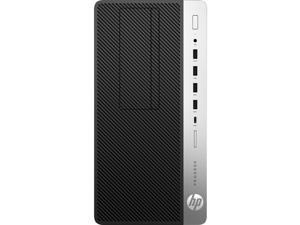

868663-B21
- Model #: 868663-B21
- Item #: 9SIV1JDA7S2197
- Return Policy: Avanti Data Products Return Policy
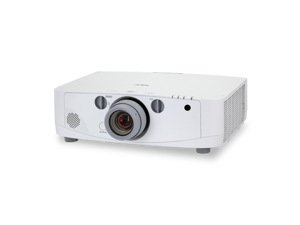
Nec NP-PA500X XGA 3D Ready 5000 Lumen LCD Projector
- Model #: NP-PA500X
- Item #: 9SIV1CZ6PP4579
- Return Policy: Pro AV Dealer Return Policy
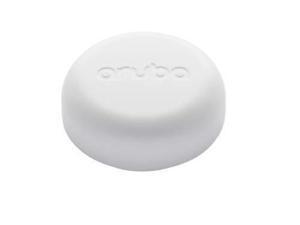
JX986A
- Model #: JX986A
- Item #: 9SIV1JDA7R6607
- Return Policy: Avanti Data Products Return Policy
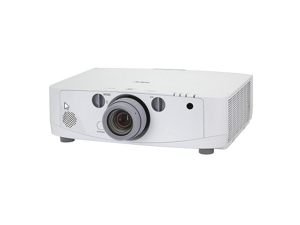
NEC NP-PA550W - LCD projector - 5500 ANSI lumens - WXGA (1280 x 800) - widescreen - High ...
- Cabinet Color: White
- Aspect Ratio: 16:9
- Vertical Refresh Rate: 120 Hz
- Throw Ratio: 0.00
- Network Connectors: RJ45
- Other Connectors: ,,,HDMI: 1,VGA: 3
- Power Consumption: 362 Watts
- Model #: NP-PA550W
- Item #: 9SIV1CZAHB8943
- Return Policy: Pro AV Dealer Return Policy
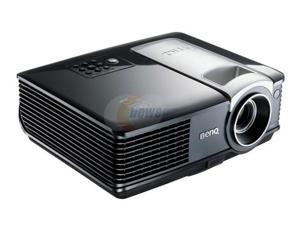
BenQ MP522 1024 x 768 2000 ANSI lumens DLP Projector 1000:1
- Cabinet Color: Black
- Aspect Ratio: 4:3 Native, 16:9 Selectable
- Contrast Ratio: 1000:1
- Display Size: 27.5" to 300"
- Horizontal Refresh Rate: 31 ~ 82 KHz
- Vertical Refresh Rate: 48 ~ 85Hz
- Input Video Compatibility: Analog RGB
- Input Video Connectors: D-Sub, S-Video, Composite Video, Component Video
- Model #: MP522
- Item #: 9SIV1CZ6PP5137
- Return Policy: Pro AV Dealer Return Policy
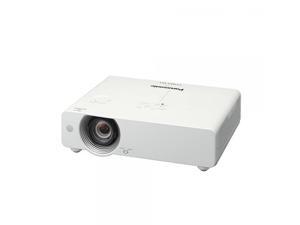
Panasonic PTVX505NU LCD Projector
- Model #: ADIB008S0G31E
- Item #: 9SIV1CZG9M1986
- Return Policy: Pro AV Dealer Return Policy
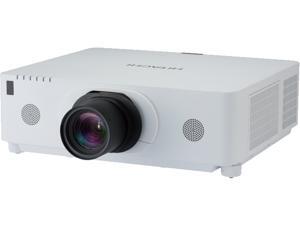
Hitachi CP-WX8750W 3LCD 7500 Lumen Projector (Lens Sold Separately) (White)
- Brand: HITACHI
- Cabinet Color: White
- Type: LCD
- Brightness: 7500 (Normal), 6000 (Eco) ANSI Lumens
- Native Resolution: 1280 x 800
- Aspect Ratio: 16:10
- Contrast Ratio: 10,000:1
- Display Size: 30" to 600"
- Model #: CP-WX8750W
- Item #: 9SIV1CZ9Y93496
- Return Policy: Pro AV Dealer Return Policy
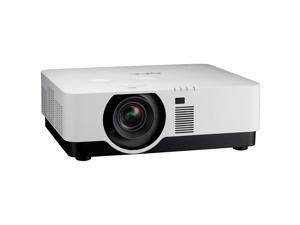
NEC NP-P506QL 4K UHD DLP, Laser Entry Installation Projector 5000 lumens
- Brand: NEC Display Solutions
- Series: P Series
- Cabinet Color: White
- Type: DLP
- Brightness: 5,000 Lumen
- Native Resolution: 3840 x 2160
- Aspect Ratio: 16:9
- Contrast Ratio: 500,000:1
- Model #: NP-P506QL
- Item #: 9SIV1CZJHJ5800
- Return Policy: Pro AV Dealer Return Policy
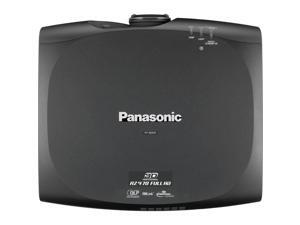
Panasonic PT-RZ470UK Full HD 1920 x 1080 3500 lumens 3D Ready DLP Projector
- Brand: Panasonic
- Cabinet Color: Black
- Type: DLP
- Brightness: 3500 lumens
- Native Resolution: 1920 x 1080
- Maximum Resolution: 1920 x 1200
- Aspect Ratio: 16:9
- Contrast Ratio: 20,000:1
- Model #: PTRZ470UK
- Item #: 9SIV1CZAC16512
- Return Policy: Pro AV Dealer Return Policy
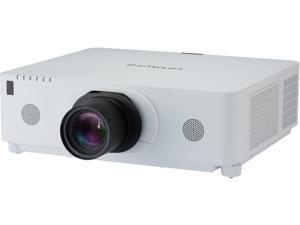
Hitachi CP-WX8650W 3LCD WXGA 6500 Lumens (Lens Sold Separately)
- Brand: HITACHI
- Cabinet Color: White
- Type: 3LCD 19mm (0.75")
- Brightness: 6500 (Normal), 5200 (Eco) ANSI Lumens
- Native Resolution: 1280 x 800
- Aspect Ratio: 16:10
- Contrast Ratio: 10,000:1
- Display Size: 30" to 600"
- Model #: CP-WX8650W
- Item #: 9SIV1CZ9ZX0451
- Return Policy: Pro AV Dealer Return Policy
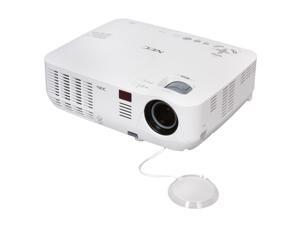
NEC Display Solutions NP-V260 SVGA 800x600 2600 Lumens DLP Mobile 3D Ready Projector ...
- Brand: NEC Display Solutions
- Series: NP-V260
- Cabinet Color: White
- Type: DLP
- Combo Player: NP-V260
- Brightness: 2600 Lumens
- Native Resolution: 800 x 600
- Maximum Resolution: 1600 x 1200
- Model #: NP-V260
- Item #: 9SIV1CZB192299
- Return Policy: Pro AV Dealer Return Policy
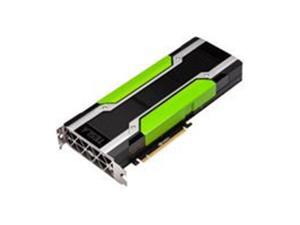
Q0E21A
- Model #: Q0E21A
- Item #: 9SIV1JDA7R8965
- Return Policy: Avanti Data Products Return Policy
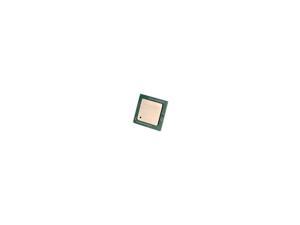
HPE 661128-B21 Intel Xeon E5-2400 E5-2420 Hexa-core (6 Core) 1.90 GHz Processor ...
- Model #: 661128-B21
- Item #: 9SIV1JDA7S0580
- Return Policy: Avanti Data Products Return Policy
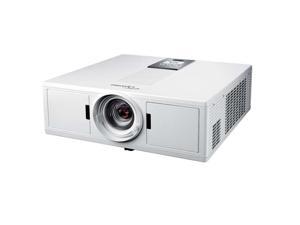
Optoma ZU510T Laser Projector - White
- Model #: ZU510T-W
- Item #: 9SIV1CZD3N0520
- Return Policy: Pro AV Dealer Return Policy

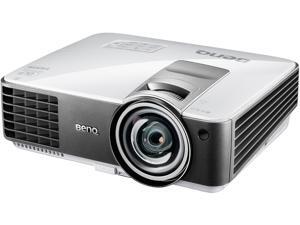
BenQ MX819ST 1024 x 768 3000 Lumens DLP 3D Ready DLP Projector 13,000:1 RJ45
- Brand: BenQ
- Type: DLP
- Brightness: 3000 Lumens
- Native Resolution: 1024 x 768
- Maximum Resolution: 1600 x 1200
- Aspect Ratio: Native 4:3 (5 aspect ratio selectable)
- Contrast Ratio: 13,000:1
- Display Size: 60" - 300"
- Model #: MX819ST
- Item #: 9SIV1CZHA13967
- Return Policy: Pro AV Dealer Return Policy
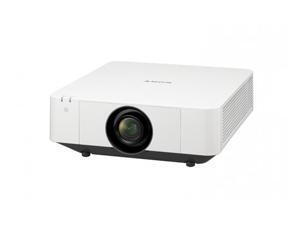
SONY FHZ58 - Venue, Laser, 4200 Lumens/ 3LCD/ WUXGA, HDMI / VGA / DVI-D / BNC / VIDEO IN ...
- Brand: SONY
- Cabinet Color: White
- Type: 3LCD
- Brightness: > 3500 lumens
- Native Resolution: 1920 x 1200
- Aspect Ratio: 16:10
- Contrast Ratio: 500,000:1
- Display Size: 40" to 600"
- Model #: VPLFHZ58W
- Item #: 9SIV1CZAEU8684
- Return Policy: Pro AV Dealer Return Policy
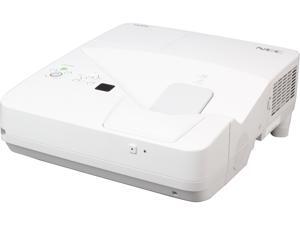
NEC Display Solutions NP-UM330W 1280 x 800 3300 lumens LCD Projector 3000:1 RJ45
- Brand: NEC Display Solutions
- Cabinet Color: White
- Type: LCD
- Brightness: 3300 lumens
- Native Resolution: 1280 x 800
- Maximum Resolution: 1600 x 1200
- Contrast Ratio: 3000:1
- Display Size: 58 to 110 in. / 1.47 to 2.79m
- Model #: NP-UM330W
- Item #: 9SIV1CZC1J6045
- Return Policy: Pro AV Dealer Return Policy
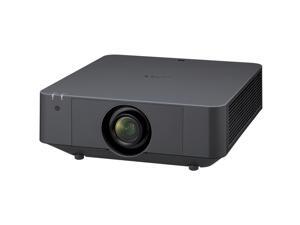
Sony VPL-FHZ58 1080p HDTV WUXGA Laser LCD Projector - 4200lm
- Brand: SONY
- Type: LCD
- Combo Player: VPL-FHZ58
- Brightness: 4200 lm
- Native Resolution: 1920 x 1200
- Projection Methods: Front
- Power Consumption: 352 W
- Weight: 35.27 lb
- Model #: VPLFHZ58/B
- Item #: 9SIV1CZ9TD5694
- Return Policy: Pro AV Dealer Return Policy
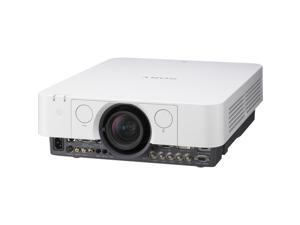
Sony VPL-FH31 / VPL-FH31/W 1080P 4300-Lumens WUXGA 1.6x-Zoom 3LCD ...
- Model #: VPL-FH31/W .
- Item #: 9SIV1CZCAG5343
- Return Policy: Pro AV Dealer Return Policy
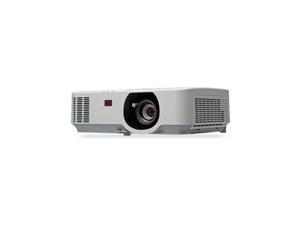
NEC Display NP-P554W WXGA 5500-lumen Entry-Level Professional Installation Projector
- Brand: NEC Display Solutions
- Series: P Series
- Cabinet Color: White
- Type: LCD
- Brightness: 5500 lumens
- Native Resolution: 1280 x 800
- Maximum Resolution: 1920 x 1200
- Aspect Ratio: 16:10
- Model #: NP-P554W
- Item #: 9SIV1CZD691486
- Return Policy: Pro AV Dealer Return Policy
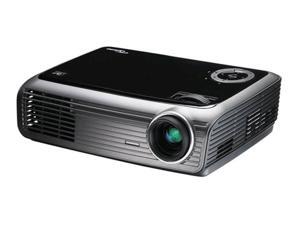
Optoma TX727 1024 x 768 2200 Lumens DLP Projector 2200:1
- Brand: Optoma
- Cabinet Color: Black
- Type: DLP
- Brightness: 2200 Lumens
- Native Resolution: 1024 x 768
- Aspect Ratio: 4:3 Native, 1.78:1, 5:4 and 16:9 Compatible
- Contrast Ratio: 2200:1
- Display Size: 24.6" to 302.9"
- Model #: TX727
- Item #: 9SIV1CZ6PX4482
- Return Policy: Pro AV Dealer Return Policy
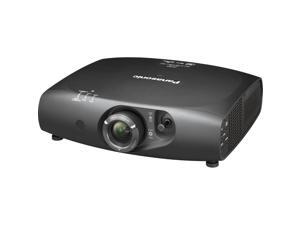
WXGA 3500 lumen 1280x800 Solid State Illumination White
- Series: PTRW430UW
- Cabinet Color: PTRW430UW
- Combo Player: PTRW430UW
- Contrast Ratio: 20,000:1
- Projection Methods: Front
- Model #: PTRW430UW
- Item #: 9SIV1CZCTM7310
- Return Policy: Pro AV Dealer Return Policy

Hitachi - CP-X3042WN - Hitachi CP-X3042WN LCD Projector - 720p - HDTV - 4:3 - Front, Ceiling - ...
- Maximum Resolution: 1024 x 768
- Parts: Manufacturers Limited Warranty: 3 Year / Parts Only
- Model #: CP-X3042WN
- Item #: 9SIV1JDA7R8769
- Return Policy: Avanti Data Products Return Policy
Buying Tips for Business Projectors
Introduction
For displaying information during meetings and presentations, HD projectors can have many advantages over monitors and televisions. However, shopping for the right projector can be a challenge, as there are a variety of different technologies and features that can affect your purchasing decision. Below, NeweggBusiness has outlined several important criteria to help you purchase the ideal business projector for your organization.
Projector Technology
There are three major types of projectors, each with their down advantages and disadvantages. Consider how your organization will be using the projector and select the type that best matches your needs.
LCD
LCD projectors tend to appear brighter and have better color accuracy than DLP projectors, but can have issues with pixilation when projecting onto large surface areas. Projecting onto such an area can result in an image having a “screen-door” effect, which means that the image will have noticeable gaps between the pixels.
DLP
DLP projectors have better contrast ratios than LCD projectors, which usually mean more vibrant pictures. Also, the inter-pixel gap issue that can affect LCD projectors is much less noticeable on DLP projectors. On the downside, DLP projectors tend to have less color accuracy than LCD and LCoS projectors.
LCoS
LCoS projectors can be very bright with high resolutions and superb color accuracy. However, they usually have lower contrast ratios than DLP projectors and tend to be pricier than both LCD and DLP projectors.
Lighting System
An important factor in determining a projector’s quality and cost is the way it is lit. There are two different types of lighting systems used in projectors, bulbs and LEDs. LED projectors have longer life spans and do not require replacement, though they are more expensive. Projectors that use bulbs tend to be brighter and cost less but will require bulb replacement eventually. If your organization plans to use the projector for a very long time and does not want to worry about replacing bulbs, an LED projector is a better choice.
Native Resolution
Native resolution refers to the actual amount of physical pixels on a projector’s display. It can affect the amount of detail that the projected image has, with higher resolutions able to show more detail than lower resolutions. However, lower resolution projectors tend to be less expensive. Unless your organization needs to display high resolution images during meets and presentations, lower resolution projectors are more cost effective solutions.
Below are some common native resolutions for projectors.
SVGA (800 x 600)
A budget solution that is acceptable for PowerPoint presentations and other applications that do not require high levels of detail.
XGA (1024 x 768)
A higher resolution that offers more slightly detail than SVGA but cannot display high-definition (HD) images.
WXGA (1280 x 800)
A common widescreen resolution that is suitable for displaying HD 720p content such as movies. A good balance between being able to display HD content and cost.
SXGA+ (1400 x 1050)
Like WXGA, it can display 720p content and very high quality images.
Full HD (FHD) (1920 x 1080)
A very common resolution for HDTVs and some computer displays. Unless your organization plans to display 1080p content, it is unnecessary for displaying spreadsheets and text.
UXGA (1600 x 1200)
A 4:3 resolution that can also display 720p content but will need to downscale 1080p content in order to be correctly displayed.
WUXGA (1920 x 1200)
A widescreen resolution that is close to 1080p, but has a 16:10 aspect ratio instead of 16:9. It is a common resolution for desktop computers equipped with widescreen LCD monitors.
Brightness
Projector brightness is rated in lumens, which is a measure of the total amount of visible light emitted by a source. Brightness requirements can vary depending on the brightness of the environment and size of the projection. The brighter an environment is, the higher the lumen rating will need to be in order to compensate. For instance, a projector in a large conference room with a lot of ambient light will need to be brighter than a projector in a small conference room with no windows.
Contrast Ratio
Contrast ratio is a measure of the difference between the brightest whites and darkest blacks. A greater contrast ratio will result in more vibrant colors, which is ideal for theatre projectors and displaying vibrant images accurately. If your organization will not be using the projector to display very detailed high quality graphics though, high contrast ratios will not be needed.