
Desktop Internal Hard Drives - Showing 1705 - 1728 of 3925 Products


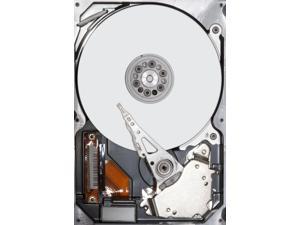

Seagate ST2400MM0149 2.40 TB 2.5" Internal Hard Drive - SAS - 10000rpm - 256 MB Buffer
- NAND Flash Memory Type: Hard Drive
- Model #: ST2400MM0149
- Item #: 9SIV1JDA7S2532
- Return Policy: Avanti Data Products Return Policy
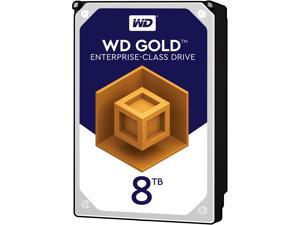

WD Gold 8TB Enterprise Class Hard Disk Drive - 7200 RPM Class SATA 6Gb/s 128MB Cache 3.5 ...
- Brand: WD
- Series: Gold
- Capacity: 8TB
- RPM: 7200 RPM
- Interface: SATA 6.0Gb/s
- Form Factor: 3.5"
- Packaging: Bare Drive
- Cache: 128MB
- Model #: WD8002FRYZ
- Item #: 9SIV1JDA7R5467
- Return Policy: Avanti Data Products Return Policy
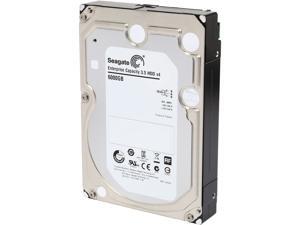
Seagate ST6000NM0014 6TB 7200 RPM 128MB Cache SAS 12Gb/s 3.5" Enterprise Hard Drive ...
- Brand: Seagate
- Capacity: 6TB
- RPM: 7200 RPM
- Interface: SAS 12Gb/s
- Form Factor: 3.5"
- Packaging: Bare Drive
- Cache: 128MB
- Average Latency: 4.16ms
- Model #: ST6000NM0014
- Item #: 9SIV1JDA7S2703
- Return Policy: Avanti Data Products Return Policy
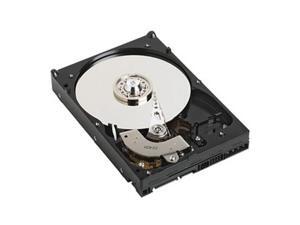
Fujitsu enterprise - Hard drive - 600 GB - hot-swap - 2.5" - SAS 6Gb/s - 15000 rpm - for PRIMERGY ...
- Model #: S26361-F4482-L560
- Item #: 9SIV1JDA7R5287
- Return Policy: Avanti Data Products Return Policy
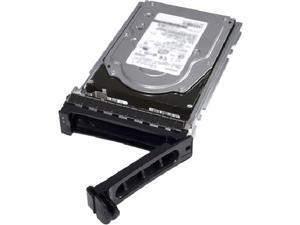

Dell 480 GB 2.5" Internal Solid State Drive - SAS
- Model #: 400-ATGM
- Item #: 9SIV1JDJWS3263
- Return Policy: Avanti Data Products Return Policy
Seagate ST12000NM0017 12 TB Internal Hard Drive - SATA - 7200rpm - 256 MB Buffer - Hot ...
- Average Latency: 6Gb/s
- Model #: ST12000NM0017
- Item #: 9SIV1JDA7R5317
- Return Policy: Avanti Data Products Return Policy
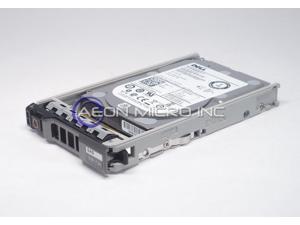
400-APGQ - DELL 900GB 15K SAS 3.5"12Gb/s HDD HYBRID KIT WITH 13TH GEN TRAY FOR ...
- Model #: 71P-071P9QLB5
- Item #: 9SIV1JD9B70389
- Return Policy: Avanti Data Products Return Policy
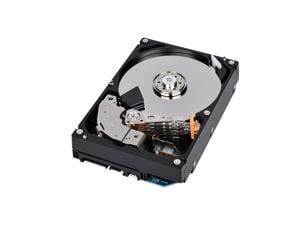
TOSHIBA MG09 Series MG09ACA12TE 12TB 7200 RPM 512MB Cache SATA 6.0Gb/s 3.5" Hard ...
- Model #: MG09ACA12TE
- Item #: 9SIV296KVM0236
- Return Policy: Slava Computers Return Policy
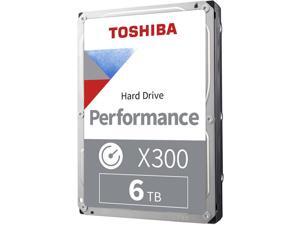
Toshiba Toshiba 6TB X300 Performance 3.5" CMR Internal Hard Drive
- Brand: TOSHIBA
- Capacity: 6TB
- RPM: 7200 RPM
- Interface: SATA 6.0Gb/s
- Model #: HDWR760XZSTA
- Item #: 9SIVSY0KUU8196
- Return Policy: LiAnMengYuShangDian Return Policy
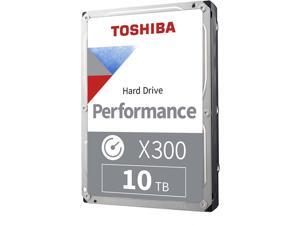
Toshiba Toshiba 10TB X300 Performance 3.5" CMR Internal Hard Drive
- Brand: TOSHIBA
- Capacity: 10TB
- RPM: 7200 RPM
- Interface: SATA 6.0Gb/s
- Model #: HDWR71AXZSTA
- Item #: 9SIV296KW06667
- Return Policy: Slava Computers Return Policy
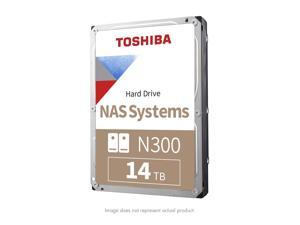
Toshiba N300 NAS - Hard drive - 14 TB - internal - 3.5" - SATA 6Gb/s - 7200 rpm - buffer: 512 MB - ...
- Model #: HDWG51EXZSTA
- Item #: 9SIV296KW12710
- Return Policy: Slava Computers Return Policy
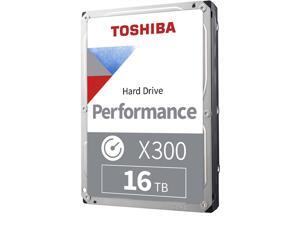
Toshiba Toshiba 16TB X300 Performance 3.5" CMR Internal Hard Drive
- Brand: TOSHIBA
- Capacity: 16TB
- RPM: 7200 RPM
- Interface: SATA 6.0Gb/s
- Model #: HDWR51GXZSTA
- Item #: 9SIV296KW12737
- Return Policy: Slava Computers Return Policy
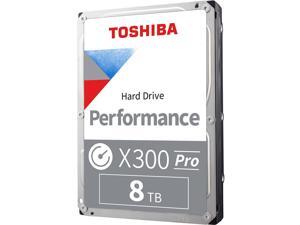
Toshiba Toshiba 8TB X300 Pro Performance 3.5" CMR Internal HDD
- Brand: TOSHIBA
- Capacity: 8TB
- RPM: 7200 RPM
- Interface: SATA 6.0Gb/s
- Parts: 5 Year
- Model #: HDWR780XZSTB
- Item #: 9SIVSY0KUU8094
- Return Policy: LiAnMengYuShangDian Return Policy
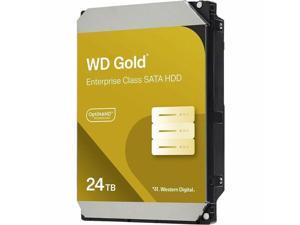
WD Gold WD242KRYZ 24 TB Hard Drive - 3.5" Internal - SATA (SATA/600) - Conventional ...
- Brand: WD
- Series: Gold
- Capacity: 24TB
- RPM: 7200 RPM
- Interface: SATA 6.0Gb/s
- Form Factor: 3.5"
- Cache: 512MB
- Features: Built For Demanding Use Cases Customize your business’s storage mix to fit your specific needs with hard drives in capacities of up to 26TB1, engineered for demanding applications with a read-write workload rating of up to 550TB2 per year. Enhanced Reliability With a five-year limited warranty3 supporting up to 2.5M hours MTBF4, WD Gold hard drives deliver enhanced levels of dependability and durability. Protection and Performance Boost ArmorCache™ technology (available in 22TB and above) is a Western Digital-only feature that provides enterprise power loss protection of your data in write-cache enabled (WCE) mode while increasing performance in write-cache disabled (WCD) mode....
- Model #: WD242KRYZ
- Item #: 9SIV296KVC5713
- Return Policy: Slava Computers Return Policy
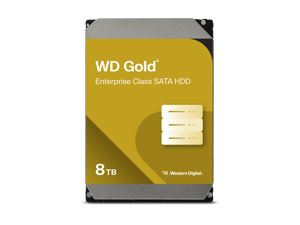
WD Gold WD8005FRYZ 8TB 7200 RPM 256MB Cache SATA 6.0Gb/s 3.5" Hard Drives
- Brand: WD
- Series: Gold
- Capacity: 8TB
- RPM: 7200 RPM
- Interface: SATA 6.0Gb/s
- Form Factor: 3.5"
- Cache: 256MB
- Usage: Enterprise NAS Hard Drives
- Model #: WD8005FRYZ
- Item #: 9SIV296KVD4457
- Return Policy: Slava Computers Return Policy
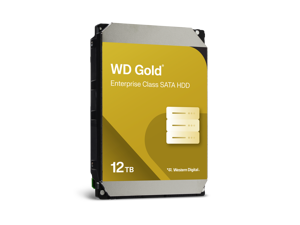
WD Gold 12TB Enterprise Class Hard Disk Drive - 7200 RPM Class SATA 6Gb/s 512MB Cache 3.5 ...
- Brand: WD
- Series: Gold
- Capacity: 12TB
- RPM: 7200 RPM
- Interface: SATA 6.0Gb/s
- Form Factor: 3.5"
- Cache: 512MB
- Features: Built For Demanding Use Cases Customize your business’s storage mix to fit your specific needs with hard drives in capacities of up to 26TB1, engineered for demanding applications with a read-write workload rating of up to 550TB2 per year. Enhanced Reliability With a five-year limited warranty3 supporting up to 2.5M hours MTBF4, WD Gold® hard drives deliver enhanced levels of dependability and durability. Protection and Performance Boost ArmorCache™ technology (available in 22TB and above) is a Western Digital-only feature that provides enterprise power loss protection of your data in write-cache enabled (WCE) mode while increasing performance in write-cache disabled (WCD) mode...
- Model #: WD122KRYZ
- Item #: 9SIV296KVD1757
- Return Policy: Slava Computers Return Policy
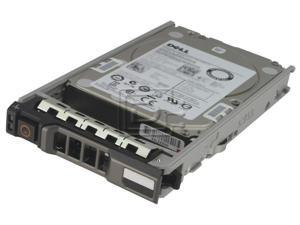
Dell 400-AIDY / 4DDFP 2TB 2.5"" 7.2K RPM 4Kn SAS HDD Kit 8FKXC
- Model #: a6c-075748000352673
- Item #: 9SIVC5UHXU8457
- Return Policy: Aeon Micro, Inc. Return Policy
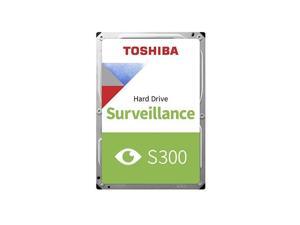
Toshiba S300 1TB 3.5 SATA HDD Internal Hard Drive
- Model #: 935286178139
- Item #: 9SIVSY0KUS9196
- Return Policy: LiAnMengYuShangDian Return Policy
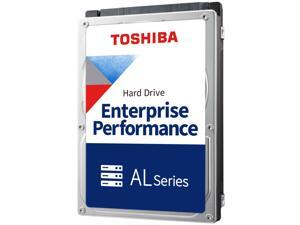
Toshiba AL Series 1.2TB 10K RPM 512n SAS 12Gb/s 2.5" Enterprise HDD (AL15SEB120N)
- Brand: TOSHIBA
- Series: AL Series
- Capacity: 1.2TB
- RPM: 10000 RPM
- Interface: SAS 12Gb/s
- Form Factor: 2.5"
- Cache: 128MB
- NAND Flash Memory Type: Hard Drive
- Model #: AL15SEB120N
- Item #: 9SIVSY0KUU3529
- Return Policy: LiAnMengYuShangDian Return Policy
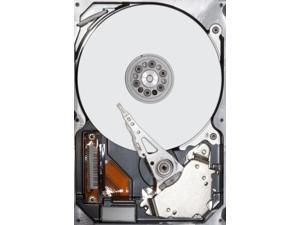
Dell 400-AUZY - Dell 1TB 2.5" Nearline SAS 7.2K 12Gb/s Hard Drive
- Average Latency: 12Gb/s
- Model #: 400-AUZY
- Item #: 9SIVC5UHXR5376
- Return Policy: Aeon Micro, Inc. Return Policy
Dell 400-AMZN - 1TB 2.5" SAS 7.2K 12Gb/s Non Hot-Swap Hard Drive
- Average Latency: 12Gb/s
- Model #: 400-AMZN
- Item #: 9SIVC5UHXR5361
- Return Policy: Aeon Micro, Inc. Return Policy
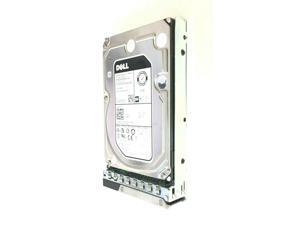
M40TH - Dell 8TB 7.2K 3.5" SAS Hard Drive 14th Gen R440 R540 R640 R740 R740XD
- Model #: f62-732299000173123
- Item #: 9SIVC5UHXU8057
- Return Policy: Aeon Micro, Inc. Return Policy
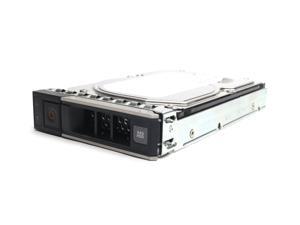
Dell 400-BJKQ 16 TB Hard Drive - 3.5" Internal - SAS (12Gb/s SAS) - Read Intensive
- NAND Flash Memory Type: Hard Drive
- Model #: 400-BJKQ
- Item #: 9SIVC5UJB95263
- Return Policy: Aeon Micro, Inc. Return Policy
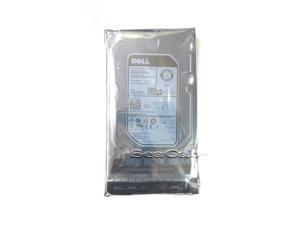
400-AHJD Dell 8TB 7.2K SAS 3.5" Hard Drive PowerEdge R510 R515 R520 R720 R720xd
- Model #: 072-736640000173639
- Item #: 9SIVC5UHXU8017
- Return Policy: Aeon Micro, Inc. Return Policy
What You Need to Know About Desktop Hard Disk Drives
Introduction
Though SSDs are becoming increasingly more popular, hard disk drives (HDD) are still essential internal data storage solutions for users that prioritize storage capacity over speed. Compared to hard disk drives, SSDs cost more per gigabyte and have smaller storage capacities. A commonly used configuration is to have a solid state drive as the primary drive and a desktop hard disk drive as the secondary drive. Below, NeweggBusiness answers several common questions about desktop hard disk drives.
What does interface type mean?
A hard disk drive must be connected to a motherboard via data cable in order to function as a system drive. The type of data cable that a hard drive supports can affect both system compatibility and data transfer speeds. This is often referred to as connection or interface type, and it is an important factor when shopping for a HDD.
For desktop hard disk drives, one of the most commonly used interface types is SATA. There have been several revisions for the SATA standard and the two most recent are SATA 3 Gbps and SATA 6 Gbps. They are often stylized as SATA II and SATA III respectively.
What is seek time?
In order for data to be retrieved or written onto the hard disk, a read/write head must move to the correct position on the disk. This is not an instantaneous process and the time required for the head to move into position is referred to as seek time, which is rated in milliseconds.
Is it possible to use a desktop hard disk drive as an external HDD?
Adapting a desktop hard disk drive for external use is possible, though additional hard drive accessories are usually required. Three commonly used methods include, using an SATA to External SATA (eSATA™) cable, hard drive enclosure, or a hard disk drive dock.
What is the purpose of a hard disk drive’s S.M.A.R.T. feature?
Short for Self-mentoring, Analysis, and Reporting Technology, S.M.A.R.T. is a feature that allows hard disk drives to monitor and report on reliability indicators. This is done so that potential problems can be anticipated. To view the S.M.A.R.T. status of a hard disk drive, you will need to use a reporting tool.