
Desktop Internal Hard Drives - Showing 2353 - 2376 of 3933 Products


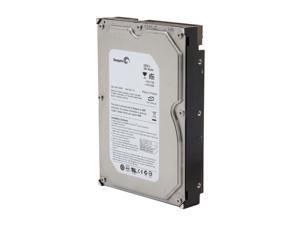

Refurbished: Seagate DB35 Series 7200.3 ST3250820ACE 250GB 7200 RPM 8MB Cache IDE ...
- Parts: 1 Year Warranty from Reseller
- Labor: 1 Year Warranty from Reseller
- Model #: ST3250820ACE
- Item #: 9SIV02B32Z8556
- Return Policy: goHardDrive Wholesale Return Policy
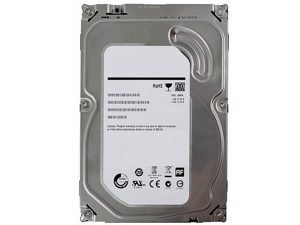
Refurbished: DTTA-371440 IBM 14.4GB 7200RPM 3.5INCH IDE HARD DRIVE
- Model #: DTTA-371440
- Item #: 9SIV1W8AWG1587
- Return Policy: The Best Part Inc. Return Policy
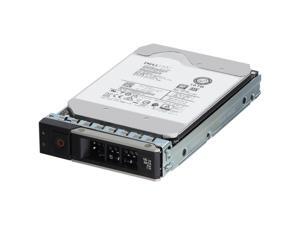

Refurbished: Dell 16TB 7.2K 512e 6Gbps SATA 3.5 HDD Ultrastar DC HC550 (8CCGH)
- Brand: Dell
- Model: WUH721816ALE6L0
- Capacity: 16TB
- Model #: 011110939852
- Item #: 9SIV1MCK4V3402
- Return Policy: xByte Technologies Return Policy
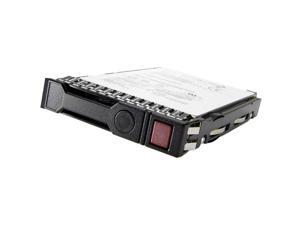
Refurbished: HPE 875474-B21 960 GB Solid State Drive - 2.5" Internal - SATA (SATA/600)
- Model #: 875474-B21
- Item #: 9SIV173KED0542
- Return Policy: Digitzy Return Policy
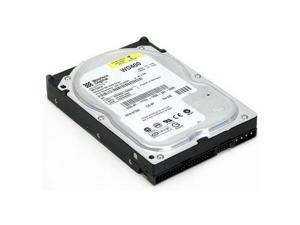

Refurbished: 160GB SATA 7200RPM 3.5" Hard Drive
- Model #: WD1600JD-75HBB0
- Item #: 9SIV1W8JJW9306
- Return Policy: The Best Part Inc. Return Policy
Refurbished: EF0450FATFE HP 450GB 15K RPM HOT PLUG SAS 3.5 DUAL PORT
- Model #: EF0450FATFENew
- Item #: 9SIV173KEJ8493
- Return Policy: Digitzy Return Policy
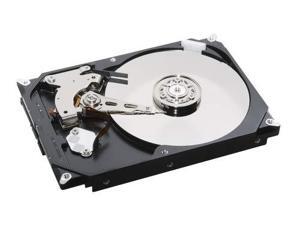
Refurbished: 702659-001 HPE 600GB 10K 12G SFF SAS SC Hard Drive
- Model #: 702659-001New
- Item #: 9SIV173KEJ8598
- Return Policy: Digitzy Return Policy
Refurbished: DELL D5796 300Gb 10000Rpm 80Pin Ultra320 Scsi 3.5Inch Low ...
- NAND Flash Memory Type: SLC
- Model #: D5796
- Item #: 9SIV173KED0416
- Return Policy: Digitzy Return Policy
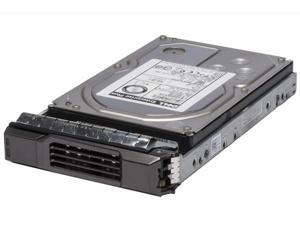
Refurbished: 4CMD9 3TB 7200RPM SAS 3.5Inch Dell Hard Drive
- Model #: 4CMD9
- Item #: 9SIV16GKNT7931
- Return Policy: ATP Warehouse Return Policy
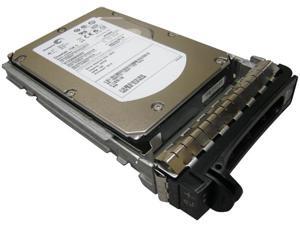
Refurbished: Dell 300GB 15K SAS 3.5 HT953 F617N YP778 GM251 ST3300655SS 2950 ...
- Model #: ST3300655SS
- Item #: 9SIV173KED0402
- Return Policy: Digitzy Return Policy
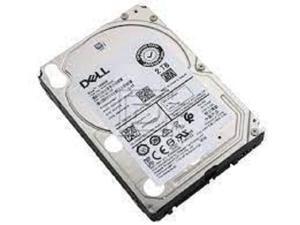
Refurbished: Dell VR92X 2 TB Hard Drive - 2.5" Internal - SATA (SATA/600)
- Model #: VR92X
- Item #: 9SIV16GK257272
- Return Policy: ATP Warehouse Return Policy
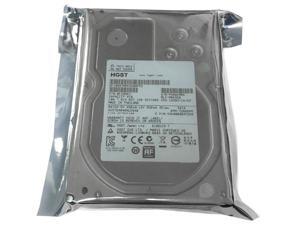
Refurbished: HGST HUS724040ALE640 4TB 64MB Cache 7200RPM SATA 6Gb/s 3.5" Internal ...
- Model #: 72a-085208000112996
- Item #: 9SIV02B95X9657
- Return Policy: goHardDrive Wholesale Return Policy
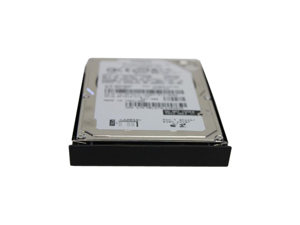
Refurbished: P2364 60GB 5400RPM IDE 2.5Inch Dell Hard Drive
- Model #: P2364
- Item #: 9SIV1W87PX0842
- Return Policy: The Best Part Inc. Return Policy
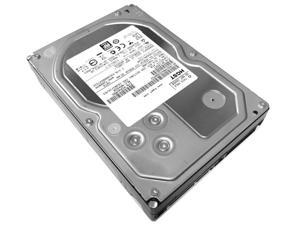
Refurbished: HGST Ultrastar 7K4000 4TB 64MB Cache 7200RPM 3.5" Enterprise HDD ...
- Model #: 720-595423000173604
- Item #: 9SIV02B95X9591
- Return Policy: goHardDrive Wholesale Return Policy
Refurbished: Dell TMN2K 250 GB Hard Drive - 3.5" Internal - SATA (SATA/150)
- Model #: TMN2K
- Item #: 9SIV1W8AWF6135
- Return Policy: The Best Part Inc. Return Policy
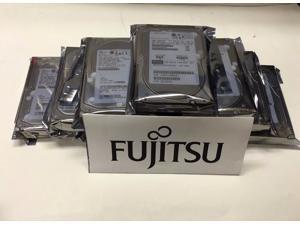
Refurbished: MBA3073RC Fujitsu 73.5GB 15K SAS 16M 3.5" Hard Drive
- Model #: MBA3073RC -
- Item #: 9SIV173KED0384
- Return Policy: Digitzy Return Policy
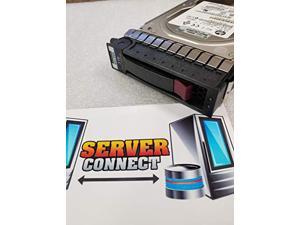
Refurbished: MB3000FBUCN HPE 3TB 7.2K 6G LFF SAS Hard Drive
- Model #: MB3000FBUCNNew
- Item #: 9SIV173KEJ8526
- Return Policy: Digitzy Return Policy
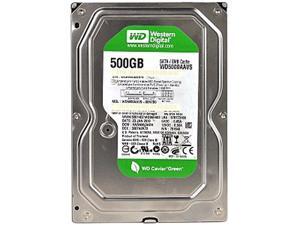
Refurbished: Western Digital AV-GP WD5000AVVS 500GB 8MB Cache SATA 3.0Gb/s 3.5" ...
- Model #: WD5000AVVS
- Item #: 9SIV02B32Z8760
- Return Policy: goHardDrive Wholesale Return Policy
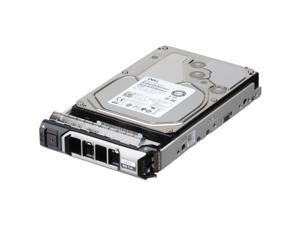
Refurbished: Dell 8TB 7.2K 512e 6Gbps SATA 3.5 HDD MG06ACA CPO (9X09C-CP3)
- Brand: Dell
- Capacity: 8TB
- Interface: SATA
- Model #: 011110122643
- Item #: 9SIV1MCKW18705
- Return Policy: xByte Technologies Return Policy
Refurbished: 2G325 DELL 18GB 10000RPM 68PIN SCSI HARD DRIVE
- Model #: 2G325
- Item #: 9SIV1W8AWG1589
- Return Policy: The Best Part Inc. Return Policy
Refurbished: ST600MP0005-HPE 600GB 15K 12G SAS SFF SC Hard Drive
- Model #: ST600MP0005-HPNew
- Item #: 9SIV173KEJ8579
- Return Policy: Digitzy Return Policy
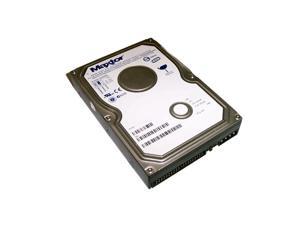
Refurbished: 90340D2 MAXTOR DIAMONDMAX 3.4GB 5400RPM ATA-33 3.5-INCH 256KB ...
- Model #: 90340D2
- Item #: 9SIV1W8AWG1584
- Return Policy: The Best Part Inc. Return Policy
Refurbished: EG000600JWFUV HPE 600GB 10K 12G SFF SAS SC Hard Drive
- Model #: EG000600JWFUVNew
- Item #: 9SIV173KEJ8575
- Return Policy: Digitzy Return Policy
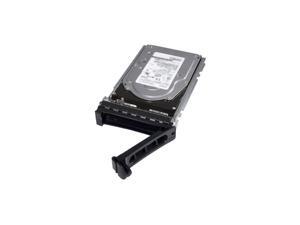
Refurbished: DELL Wr711 146Gb 10000Rpm 3.5Inch Sas3Gbits Hard Disk Drive With Tray For ...
- Model #: WR711
- Item #: 9SIV16GK213852
- Return Policy: ATP Warehouse Return Policy
What You Need to Know About Desktop Hard Disk Drives
Introduction
Though SSDs are becoming increasingly more popular, hard disk drives (HDD) are still essential internal data storage solutions for users that prioritize storage capacity over speed. Compared to hard disk drives, SSDs cost more per gigabyte and have smaller storage capacities. A commonly used configuration is to have a solid state drive as the primary drive and a desktop hard disk drive as the secondary drive. Below, NeweggBusiness answers several common questions about desktop hard disk drives.
What does interface type mean?
A hard disk drive must be connected to a motherboard via data cable in order to function as a system drive. The type of data cable that a hard drive supports can affect both system compatibility and data transfer speeds. This is often referred to as connection or interface type, and it is an important factor when shopping for a HDD.
For desktop hard disk drives, one of the most commonly used interface types is SATA. There have been several revisions for the SATA standard and the two most recent are SATA 3 Gbps and SATA 6 Gbps. They are often stylized as SATA II and SATA III respectively.
What is seek time?
In order for data to be retrieved or written onto the hard disk, a read/write head must move to the correct position on the disk. This is not an instantaneous process and the time required for the head to move into position is referred to as seek time, which is rated in milliseconds.
Is it possible to use a desktop hard disk drive as an external HDD?
Adapting a desktop hard disk drive for external use is possible, though additional hard drive accessories are usually required. Three commonly used methods include, using an SATA to External SATA (eSATA™) cable, hard drive enclosure, or a hard disk drive dock.
What is the purpose of a hard disk drive’s S.M.A.R.T. feature?
Short for Self-mentoring, Analysis, and Reporting Technology, S.M.A.R.T. is a feature that allows hard disk drives to monitor and report on reliability indicators. This is done so that potential problems can be anticipated. To view the S.M.A.R.T. status of a hard disk drive, you will need to use a reporting tool.