
Laptop Internal Hard Drives - Showing 337 - 360 of 600 Products


DDYS-T09170 (07N3220), 9.1GB, 10000RPM, 3.5" SCSI Internal Hard Drive - New Bare Drive
- Brand: IBM
- Form Factor: 3.5"
- Model #: DDYS-T09170 (07N3220
- Item #: 9SIV2A98U04840
- Return Policy: Anand International Return Policy
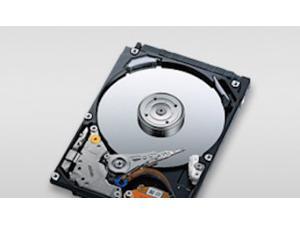
IBM DJSA-232 (07N4138) 32GB, 5400 RPM, 2.5" IDE Internal Hard Drive - New Bare Drive
- Brand: IBM
- RPM: 5400 RPM
- Form Factor: 2.5"
- Model #: DJSA-232 (07N4138)
- Item #: 9SIV2A98U04855
- Return Policy: Anand International Return Policy
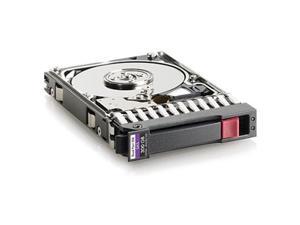

HP 507127-B21 300GB 10000 RPM SAS 6Gb/s 2.5" SFF Enterprise Hard Drive
- Average Seek Time: 4ms
- Options: N/A
- Model #: 507127-B21
- Item #: 9SIV0NRKT59323
- Return Policy: IT WHOLESALERS Return Policy
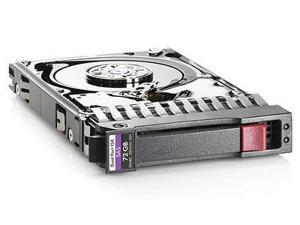
HP 2.5" 1.2TB 6G SAS 10000 RPM Dual Port Enterprise Hard Drives
- NAND Flash Memory Type: MLC
- Features: High reliability for Mission Critical applications. Robust SAS interface (dual port, full duplex). New universal hot plug carriers exclusively for HP ProLiant Gen8 servers. Maintaining existing universal hot plug carriers to support HP ProLiant G7 and earlier servers and server storage. Ideal for transaction processing, database applications, analytics, high performance
- Usage: For Enterprise Storage
- Model #: 718160-B21
- Item #: 9SIV0NRKT58266
- Return Policy: IT WHOLESALERS Return Policy
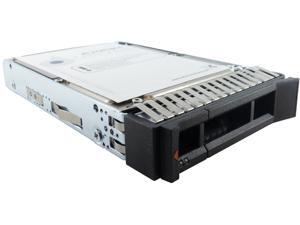

300GB THINKSYSTEM 2.5IN 15K SAS
- Model #: 7XB7A00021
- Item #: 9SIV2G2FJK0096
- Return Policy: PremierSource Return Policy
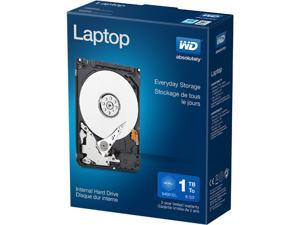

WD Laptop Mainstream WDBMYH0010BNC-NRSN 1TB 5400 RPM 8MB Cache SATA 3.0Gb/s ...
- Height (maximum): 9.5mm
- Model #: WDBMYH0010BNC-NRSN
- Item #: 9SIV2G293U8298
- Return Policy: PremierSource Return Policy
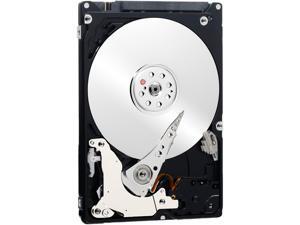
IBM 00W1236 900GB 10000 RPM SAS 6Gb/s 2.5" Internal Notebook Hard Drive
- Usage: Ideal for Servers
- Model #: 00W1236
- Item #: 9SIV1JDA7S4446
- Return Policy: Avanti Data Products Return Policy
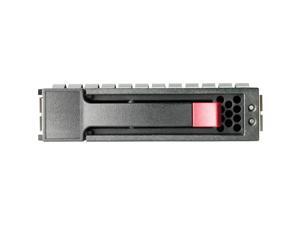
HP Q1H48A
- Model #: Q1H48A
- Item #: 9SIV1JDA7R8248
- Return Policy: Avanti Data Products Return Policy
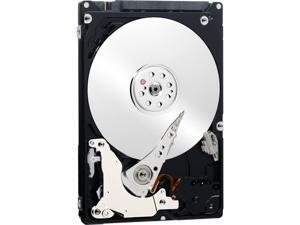
HP J9F47A Internal Hard Drive (Single Pack) Internal Hard Drive
- NAND Flash Memory Type: MLC
- Usage: For Enterprise Storage
- Model #: J9F47A
- Item #: 9SIV1JD9BR0024
- Return Policy: Avanti Data Products Return Policy
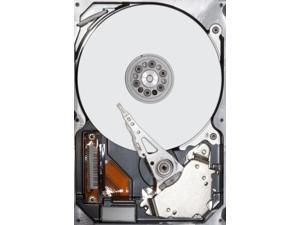
HP 867254-001 - HP 300GB 2.5" SAS 15K 12Gb/s Hard Drive
- Average Latency: 12Gb/s
- Model #: 867254-001
- Item #: 9SIV1JDA7S6043
- Return Policy: Avanti Data Products Return Policy
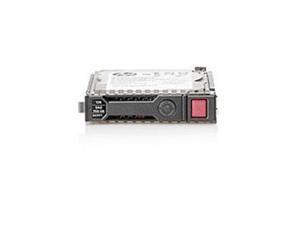
HP GEN8 1TB SAS 6Gb/s 7200rpm 2 5" Hard Drive
- NAND Flash Memory Type: MLC
- Features: Serial Attached SCSI is the logical evolution of SCSI including its long-established software advantage and the Serial ATA electrical and physical connection interface. With enterprise storage requirements escalating and becoming more complex factors such as larger capacity greater density security scalability and accessibility are more critical than ever. Enterprise data
- Usage: Ideal for Servers
- Model #: 652749-S21
- Item #: 9SIV1JD9BP9851
- Return Policy: Avanti Data Products Return Policy

HP 400 GB 2.5" Internal Solid State Drive
- Parts: 3 Year
- Model #: 690827-B21
- Item #: 9SIV1JDA7R9455
- Return Policy: Avanti Data Products Return Policy
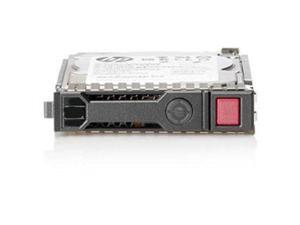
HP 652572-B21 450GB 10000 RPM SAS 6Gb/s 2.5" SFF SC Enterprise Hard Drive
- Height (maximum): 15.6 mm
- Width (maximum): 75.7 mm
- Length (maximum): 118.7 mm
- Parts: 3 Year
- Labor: 3 Year
- Model #: 652572-B21
- Item #: 9SIV1JD9BR0226
- Return Policy: Avanti Data Products Return Policy
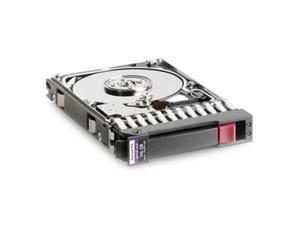
HP Enterprise 507125-B21 146GB 10000 RPM SAS 6Gb/s 2.5" SFF Internal Hard Drive
- Average Seek Time: 4ms
- Flash Memory Capacity: N/A
- Options: N/A
- Model #: 507125-B21
- Item #: 9SIV1JD9BR0187
- Return Policy: Avanti Data Products Return Policy
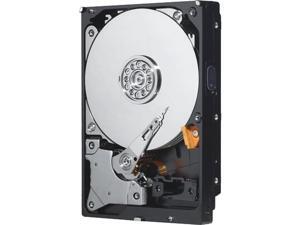
HP 600 GB 2.5" Internal Hard Drive
- Average Latency: 3.7ms
- Model #: 748387-B21
- Item #: 9SIV1JD9BP9946
- Return Policy: Avanti Data Products Return Policy
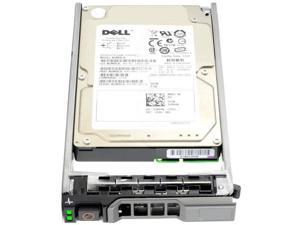

Dell FX0XN - 1TB 3.5" SATA 7.2K 3Gb/s HS Hard Drive
- Model #: FX0XN
- Item #: 9SIV1JD9BR0644
- Return Policy: Avanti Data Products Return Policy

HP 781516-S21 600GB 10000 RPM SAS 12Gb/s 2.5" Enterprise Drive, SC/S-Buy
- Model #: 781516-S21
- Item #: 9SIV1JD9BP9867
- Return Policy: Avanti Data Products Return Policy
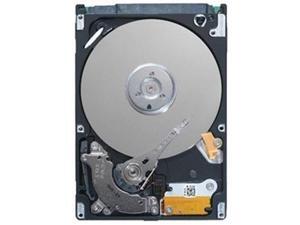
Dell 1 TB Hard Drive SATA 2.5" Drive Internal 400ATJE
- NAND Flash Memory Type: MLC
- Features: Hard Drive
- Model #: 400-ATJE
- Item #: 9SIV1JDJWS2996
- Return Policy: Avanti Data Products Return Policy
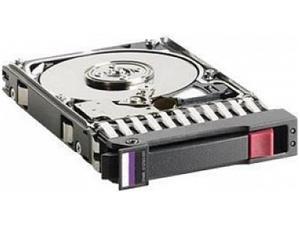
HP 431935-B21 72GB 15000 RPM SAS 3Gb/s 2.5" Internal Hot Plug Hard Drive
- Model #: 431935-B21
- Item #: 9SIV1JDJWR7897
- Return Policy: Avanti Data Products Return Policy
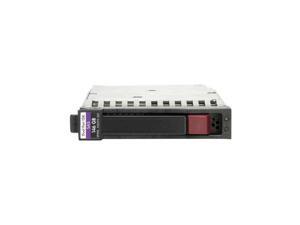
HPE AP875A 300 GB Hard Drive - 2.5" Internal - SAS (6Gb/s SAS)
- Brand: HPE
- Switch Type: Hard Drive
- Model #: AP875A
- Item #: 9SIV1JDA7S3901
- Return Policy: Avanti Data Products Return Policy
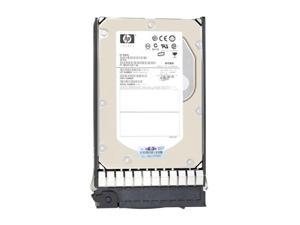
HPE 512544-004 146 GB Hard Drive - 2.5" Internal - SAS (6Gb/s SAS)
- Model #: 512544-004
- Item #: 9SIV1JDA7S4079
- Return Policy: Avanti Data Products Return Policy
HP 652745-B21 500GB 7200 RPM SAS 6Gb/s 2.5" SFF SC Midline Hard Drive
- Height (maximum): 15.6 mm
- Width (maximum): 75.7 mm
- Length (maximum): 118.7 mm
- Model #: 652745-B21
- Item #: 9SIV1JD9BR0182
- Return Policy: Avanti Data Products Return Policy
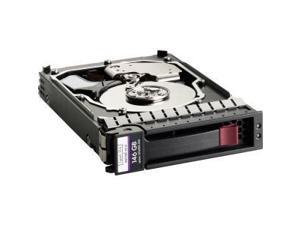
HP 759208-S21 300GB 15000 RPM SAS 12Gb/s 2.5" Enterprise Hard Drive
- NAND Flash Memory Type: MLC
- Features: HP SAS Enterprise and Midline hard drives deliver high performance solutions for hosting high transaction based applications. Available in HP hot plug carriers or non-hot plug. HP SAS Enterprise and Midline hard drives come in both 2.5-inch (SFF) and 3.5-inch (LFF) industry standard form factors and are available in a
- Usage: For Enterprise Storage
- Model #: 759208-S21
- Item #: 9SIV1JD9BP9887
- Return Policy: Avanti Data Products Return Policy
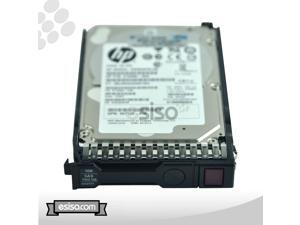
653971-001 HP 900GB 10K 6Gb/s SFF SAS SC
- Model #: 653971-001
- Item #: 9SIV1JD9BR0174
- Return Policy: Avanti Data Products Return Policy
Common Laptop Hard Drive Questions
Introduction
The term laptop hard drive is often applied to 2.5 inch hard drives even though they are used in many types of devices and not just laptops. For instance, they can be found in entertainment devices, desktop computers, server workstations, and more. Below, NeweggBusiness answers several common questions about 2.5 inch and laptop hard drives.
Questions
What does 2.5 inch refer to?
The designation stems from the fact that the disk platters inside of the drive are traditionally 2.5 inches in diameter. The exterior of a 2.5 inch hard drive is actually 100 millimeters (length) by 69.85 millimeters (width).
Thickness can vary, though 9.5 millimeters is very common for most laptops. On the lower end of the scale, Ultrabooks™ can sometimes have hard drives as slim as 5 millimeters. Enterprise-grade hard drives can sometimes be as thick as 15 millimeters.
How do I use a 2.5 inch or laptop hard drive with a device doesn’t support that form factor?
In order to use a 2.5 inch hard drive with a device that is designed for 3.5 inch or desktop hard drives, you will need an adapter bracket. Even with the bracket however, you will still need to ensure that the connectors are compatible.
Can I use an enterprise-grade 2.5 inch hard drive with a laptop?
While some enterprise-grade hard drives and laptop hard drives have similar form factors, they typically utilize different connectors. A laptop for instance, will usually have a SATA connector—or PATA/IDE in the case of older laptops. A server-grade hard drive on the other hand, will typically have a SAS or SCSI connector.
So while a SAS hard drive may physically fit inside a laptop, it cannot be used due to connection differences.
How do I replace a laptop hard drive?
Not all laptops feature removable hard drives, so you will first need to consult the laptop’s user guide or manufacturer’s website for confirmation. If the manufacturer states that your laptop’s hard drive can be replaced, the information below can serve as a general outline.
The first step is to ensure that you have the appropriate tools. Recommended tools include a Phillips screwdriver with a relatively small head, a flat-head screwdriver, and possibly Torx® screwdrivers.
While each laptop model may have a unique design, there are some commonalities with how the hard drives can be accessed. Three of the more common laptop hard drive configurations are as follows.
- Tray-mounted
- Access panel on the underside
- Underneath the keyboard
Once you have determined how to access the laptop hard drive, you should remove the battery and unplug the laptop to avoid electrical damage or injury.