
Mouse - Showing 1489 - 1512 of 11343 Products


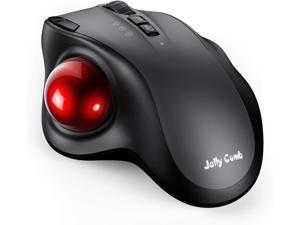
Bluetooth Trackball Mouse, Jelly Comb 2.4G USB Wireless & Bluetooth Ergonomic Mice ...
- Model #: FU-B086BL
- Item #: 9SIV36AKE33336
- Return Policy: Electronics World Return Policy
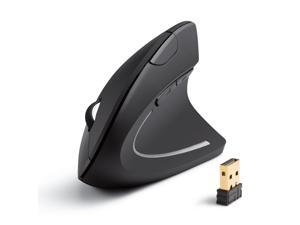
Lightweight Gaming Mouse Wired,USB Optical Computer Mice with RGB Backlit,4 Adjustable ...
- Resolution (DPI): 1600 dpi
- Version: RF Wireless
- Model #: BL-MSANKER
- Item #: 9SIV36AKE31156
- Return Policy: Electronics World Return Policy
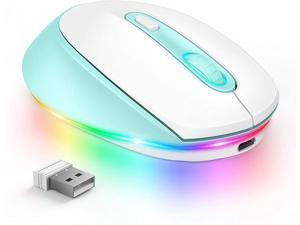
Wireless Mouse, Ultra Quiet LED Cordless Mouse with USB Receiver, Rechargeable Light Up ...
- Model #: ID-Mouse20-1
- Item #: 9SIV36AKE32075
- Return Policy: Electronics World Return Policy
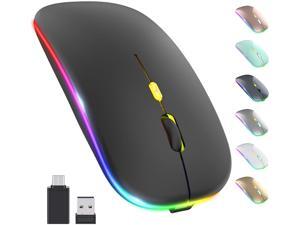
Upgrade LED Wireless Mouse, Rechargeable Slim Silent Mouse 2.4G Portable Mobile Optical ...
- Model #: HA-NJ63
- Item #: 9SIV36AKE36240
- Return Policy: Electronics World Return Policy
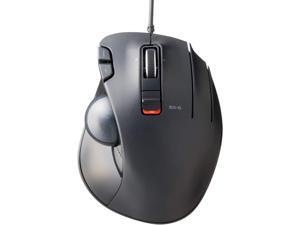
ELECOM EX-G Trackball Mouse, Wired, Thumb Control, Sculpted Ergonomic Design, 6-Button ...
- Model #: noelspace9303336677092
- Item #: 9SIV36AKBN1313
- Return Policy: Electronics World Return Policy
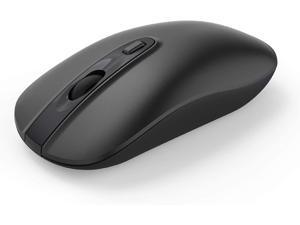
Wireless Computer Mouse, 2.4G Slim Cordless Mouse Less Noise for Laptop Ergonomic ...
- Model #: JO-ZH62
- Item #: 9SIV36AKE35887
- Return Policy: Electronics World Return Policy
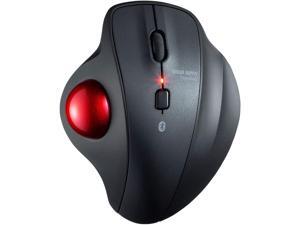
Bluetooth Ergonomic Trackball Mouse, Optical Vertical Rollerball Mice, Silent Buttons, ...
- Model #: CA-MOUSMNS75
- Item #: 9SIV36AKE31216
- Return Policy: Electronics World Return Policy
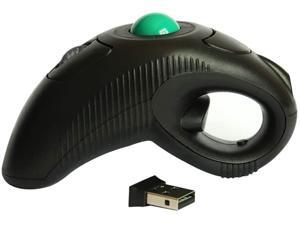
Wireless Ergonomic Handheld Trackball Mouse with Laser Pointer Left Handed Right Handed ...
- Model #: LK-WGUIK5612
- Item #: 9SIV36AKE34245
- Return Policy: Electronics World Return Policy
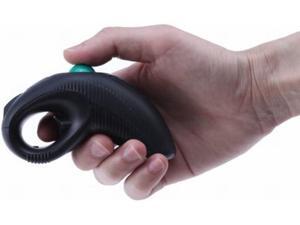
Image Wireless USB Handheld Finger Trackball Mouse with Laser Pointer
- Model #: ID-EMO92
- Item #: 9SIV36AKE32388
- Return Policy: Electronics World Return Policy
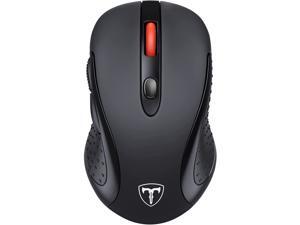
Cordless Mouse, 2.4G Wireless Mouse, USB Ergonomic Computer Mouse with 5 Adjustable ...
- Model #: GU-CBH15
- Item #: 9SIV36AKE33197
- Return Policy: Electronics World Return Policy
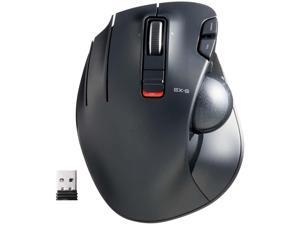
Left-Handed 2.4GHz Wireless Easy Thumb Control Trackball Mouse, Sculpted Ergonomic ...
- Model #: KB-UYJXH4726
- Item #: 9SIV36AKE33497
- Return Policy: Electronics World Return Policy
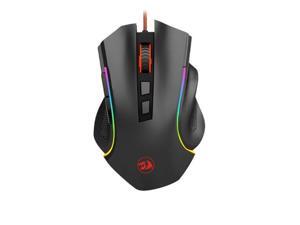
Gaming Mouse 7200 DPI 16.8Million RBG Backlit 8 buttons ergonomic design for ...
- Hand Orientation: Right Hand
- Resolution (DPI): 7200 dpi
- Version: Wired
- Model #: 45687634
- Item #: 9SIV36AKE33528
- Return Policy: Electronics World Return Policy
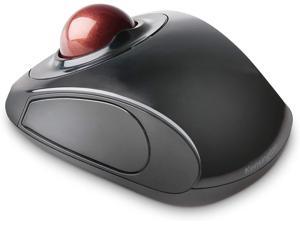
Orbit Wireless Trackball Mouse with Touch Scroll Ring (K72352US),Black
- Model #: NO-YVA94
- Item #: 9SIV36AKE34893
- Return Policy: Electronics World Return Policy
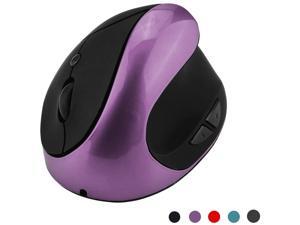
Wireless Mouse 2.4G Ergonomic Vertical Optical Mouse with Nano Receiver,4 Adjustable DPI ...
- Model #: HA-CJQ37
- Item #: 9SIV36AKE36286
- Return Policy: Electronics World Return Policy
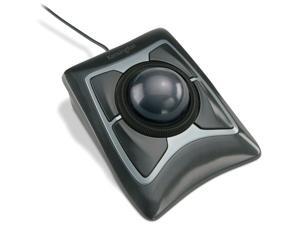
New Kensington Expert Trackball Mouse, Diamond Eye Optical tracking, Award-winning Scroll ...
- Model #: BL-MSK64325-CA
- Item #: 9SIV36AKE31368
- Return Policy: Electronics World Return Policy
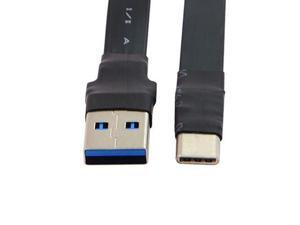
USB C to USB Data Cable for Tablet & Phone & LaptopUSB-C USB3.1 Type-C Male to USB3.0 ...
- Model #: C5KU.0420510
- Item #: 9SIVSMNKVH8736
- Return Policy: nonstop_7 Return Policy
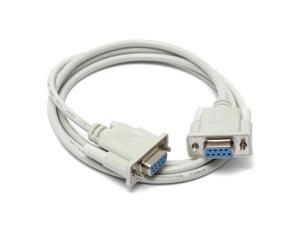
1.5M Serial RS232 9 Pin Female To Female DB9 9-Pin PC Converter Extension Cable
- Model #: C32P.0420058
- Item #: 9SIVPXNKVJ2441
- Return Policy: yinyueshengdianzishangwuyouxiangongsi Return Policy
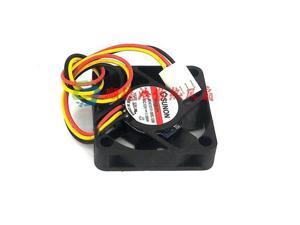
Sunon 4010 12V 1.08W ME40101V1-000C-A99 CPU Mute Cooling Fan
- Model #: C32P.0420168
- Item #: 9SIVPXNKVJ1878
- Return Policy: yinyueshengdianzishangwuyouxiangongsi Return Policy
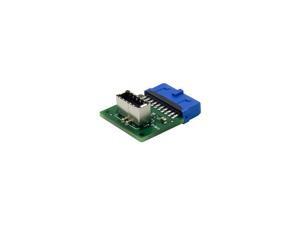
USB 3.0 Internal Header to USB 3.1/3.2 Type C front Type E Adapter 20pin to 19pin converter for ...
- Model #: C5KU.0421023
- Item #: 9SIVSMNKVH5930
- Return Policy: nonstop_7 Return Policy
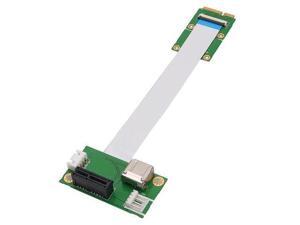
Mini Pci-E To Usb Pci-E Express 1X Riser Extender Adapter Card+15/25Cm Fpc Cable
- Model #: C32P.0421210
- Item #: 9SIVPXNKVH5013
- Return Policy: yinyueshengdianzishangwuyouxiangongsi Return Policy
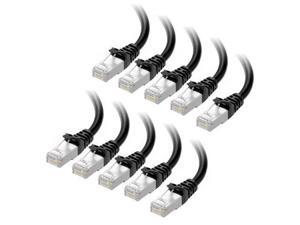
Cable Matters 10Gbps 10-Pack Snagless Short Shielded Cat 6A Ethernet Cable - 1ft, Cat 6A ...
- Model #: C5KU.04270309
- Item #: 9SIVSMNKVW0768
- Return Policy: nonstop_7 Return Policy
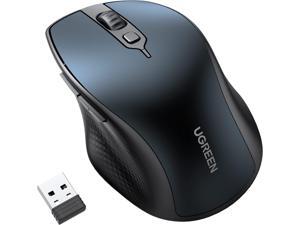
Wireless Mouse Ergonomic Bluetooth 5.0 Mouse for Laptop 2.4G Cordless with USB Receiver ...
- Type: Bluetooth / 2.4GHz / Wired
- Model #: B0BXN1SZTCC3FG
- Item #: 9SIVNXAKS92461
- Return Policy: Dong Guan Shi Qing Yi Shang Mao You Xian Return Policy
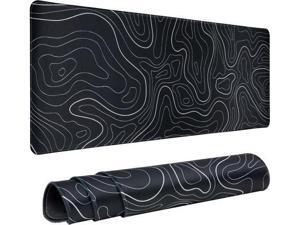
Gaming Mouse Pad Large 31.5 x 11.8in Topographic Keyboard Mousepad for Non-Slip Base ...
- Model #: C5KU.0427751
- Item #: 9SIVSMNKVV9839
- Return Policy: nonstop_7 Return Policy
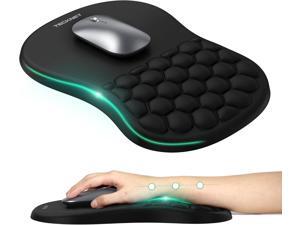
TECKNET Ergonomic Mouse Pad with Wrist Rest, Soft Mousepad with Massage Design, Memory ...
- Model #: STARWELL306322043337LanG
- Item #: 9SIVNJ2KMU0145
- Return Policy: DianLan Return Policy
Considerations for Buying Computer Mice
Introduction
Like a keyboard, a computer mouse is an essential device for any workstation, even though touchscreen input is becoming more popular. However, with so many different features and types of mice available, you may be wondering which ones are essential for your staff and which ones are unneeded. Below, NeweggBusiness will go over some common considerations when purchasing computer mice.
Optical Technology
There are two major types of optical technology used in mice today, LED and laser. Neither is better than the other, as they are ideal for different types of users.
LED
An LED mouse usually costs less than a laser mouse, but may have slightly lower dots per inch (DPI) and is not as capable on shiny, black, and transparent surfaces. Sensitivity for an optical mouse typically ranges from 400 to 800 DPI, which is more than adequate for most tasks such as internet browsing, checking e-mail, or data entry.
Laser
One major advantage of a laser mouse is sensitivity, which can reach up to several thousand DPI. Also, laser mice can be used with a wider variety of surfaces than LED mice. So while an LED mouse may struggle with shiny, black, or glass surfaces, a laser mouse has no trouble. However, one downside is that laser mice typically cost more than most LED mice.
Connectivity
There are two types of connectivity for mice, wired and wireless. Users often debate over which type is superior, but to definitely declare that one is superior to the other is a difficult. Similar to the distinction between laser and LED, wired and wireless mice appeal to different types of users.
Wired
Some of the advantages of purchasing wired mice include lower cost, no worries about batteries, and no worries about wireless interference. It is the ideal option for staff that do not travel with their computers or mice in tow. If your staff do not have unused USB ports on their computers, consider equipping them with accessories such as USB hubs or Bluetooth dongles so that they can use Bluetooth mice.
Wireless
Wireless mice can potentially have issues with interference and many use batteries that need to be replaced, but does that make them inferior? Not quite, as they offer more convenience and are better suited for travellers and professionals mired by cable clutter. If you’ve decided to purchase wireless for some of your staff, then you will need to decide between RF mice and Bluetooth® mice.
- Radio frequency (RF) – RF wireless mice require use of USB dongles that are included with the mice. Some users may not like the fact that USB dongles are required, as it uses a USB port and can be lost if not careful.
- Bluetooth – Bluetooth mice do not require USB dongles but will require Bluetooth functionality on the computer. Another advantage of using Bluetooth mice is that they can be used with some tablets. However, some users do report that Bluetooth mice do require a little bit of time to “wakeup” after long periods of inactivity.
Size and Ergonomics
Mice can come in several sizes, with some better for laptop users and others for desktop users. Smaller mice are more convenient, especially if your users will be packing them into messenger bags or laptop cases. Desktop users that don’t expect to move their computers very much will find that larger mice are more than adequate
Alternatives
While most people are familiar with the standard mouse, there are a few alternatives that NeweggBusiness offers. Some are designed for increased ergonomics while others for precision. Here are two of the more common options.
Vertical Mice
These are special types of mice that are used with your hand in a vertical position, similar to how a joystick is held. Some manufacturers assert that using a vertical mouse puts less strain on the wrist and shoulder.
Trackball Mice
Trackball mice track movements of a ball in a socket instead of the entire mouse. The ball can be manipulated by the thumb, fingers, or palm depending on the design of the trackball mouse. Similar to vertical mice, trackball mice manufacturers state that they reduce strain and the likelihood of injury.