
- Home
- >Computer Hardware
- >CPU / Processor
- >Desktop CPU Processor
Desktop CPU Processor - Showing 577 - 587 of 587 Products
Narrow Results
NARROW RESULTS
CPU Socket Type
Series
Operating System Supported
Core Name
# of Cores
Operating Frequency
L3 Cache
L2 Cache
Sold by
Instruction Set
Integrated Graphics
Cooling Device
Hyper-Threading Support
Manufacturing Tech
Virtualization Technology Support
Thermal Design Power
FSB
Hyper-Transport Support
Memory Types
PCI Express Revision
Brands
All Top Brands
Availability
Condition
Price
Discount
Useful Links
Shipping Options
Warranty
Customer Ratings
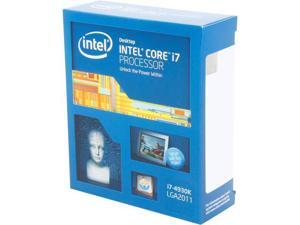

Refurbished: Intel Core i7-4930K Ivy Bridge-E 6-Core 3.4 GHz LGA 2011 130W ...
- Series: Core i7 4th Gen
- L3 Cache: 12MB
- Cooling Device: Cooling device not included - Processor Only
- Brand: Intel
- CPU Socket Type: LGA 2011
- Name: Core i7-4930K
- Core Name: Ivy Bridge-E
- # of Cores: 6-Core
- Model #: BX80633i74930K
- Item #: 9SIVMRNKPJ1366
- Return Policy: dnajknwd Return Policy
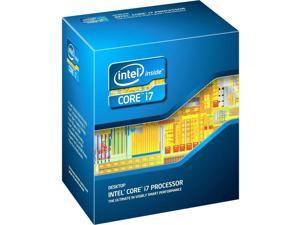
Refurbished: Intel Core i7-3930K Sandy Bridge-E 6-Core 3.2GHz (3.8GHz Turbo) LGA 2011 ...
- Series: Core i7 3rd Gen
- L3 Cache: 12MB
- L2 Cache: 6 x 256KB
- Cooling Device: Cooling device not included - Processor Only
- Brand: Intel
- CPU Socket Type: LGA 2011
- Name: Core i7-3930K
- Core Name: Sandy Bridge-E
- Model #: BX80619i73930K
- Item #: 9SIVMRNKPJ1347
- Return Policy: dnajknwd Return Policy
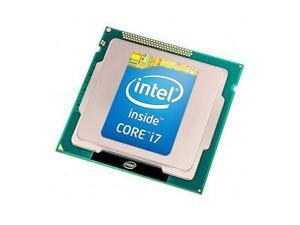
Refurbished: Intel Core i7-2600K Sandy Bridge Quad-Core 3.4GHz (3.8GHz Turbo Boost) ...
- Series: Core i7 2nd Gen
- L3 Cache: 8MB
- L2 Cache: 4 x 256KB
- Cooling Device: Cooling device not included - Processor Only
- Brand: Intel
- CPU Socket Type: LGA 1155
- Name: Core i7-2600K
- Core Name: Sandy Bridge
- Model #: BX80623I72600K
- Item #: 9SIVMRNKPJ0796
- Return Policy: dnajknwd Return Policy
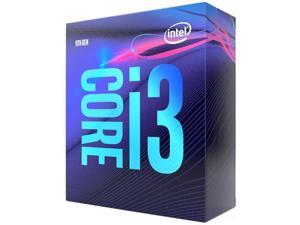
Refurbished: Intel Core i3-9300 Coffee Lake 4-Core 3.7 GHz (4.3 GHz Turbo) LGA 1151 (300 ...
- Series: Core i3 9th Gen
- L3 Cache: 8MB
- Cooling Device: Cooling device not included - Processor Only
- Brand: Intel
- CPU Socket Type: LGA 1151 (300 Series)
- Name: Core i3-9300
- Core Name: Coffee Lake
- # of Cores: Quad-Core
- Model #: BX80684i39300
- Item #: 9SIVMRNKPJ0719
- Return Policy: dnajknwd Return Policy
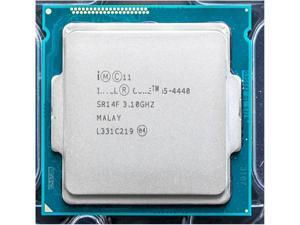
Refurbished: Intel Core i5-4440 - Core i5 4th Gen Haswell Quad-Core 3.1 GHz (3.3 GHz Turbo) ...
- Model #: BX80646I54440
- Item #: 9SIVMRNKPJ1242
- Return Policy: dnajknwd Return Policy
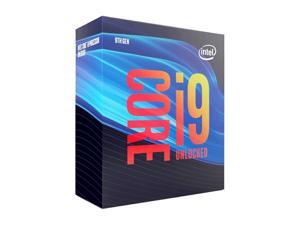
Refurbished: Intel Core i9 9th Gen - Core i9-9900K Coffee Lake 8-Core, 16-Thread, 3.6 GHz ...
- L3 Cache: 16MB
- Manufacturing Tech: 14nm
- Graphics Base Frequency: 350 MHz
- Virtualization Technology Support: Yes
- Processors Type: Desktop
- # of Threads: 16-Threads
- Bus Speed: 8 GT/s
- Memory Channel: 2
- Model #: TuiH-13
- Item #: 9SIVG8GKWN9553
- Return Policy: roboshine Return Policy
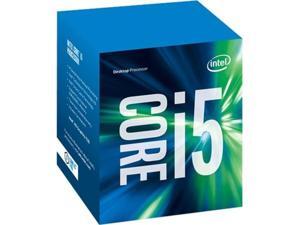
Refurbished: Intel Core i5 7500 Processor Tray (CM8067702868012) 3.40 GHz
- Brand: Intel
- CPU Socket Type: Socket 603
- Name: Core i5-7500
- # of Cores: Quad-Core
- Operating Frequency: 3.4 GHz
- Thermal Design Power: 65W
- Processors Type: Desktop
- Max Turbo Frequency: 3.8 GHz
- Model #: BX80677I57500
- Item #: 9SIVMRNKPJ0786
- Return Policy: dnajknwd Return Policy
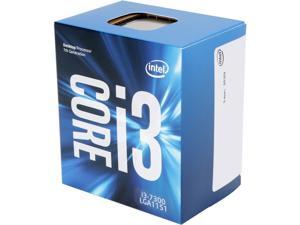
Refurbished: Intel Core i3-7300 Kaby Lake Dual-Core 4.0 GHz LGA 1151 51W ...
- Model #: CM8067703014426
- Item #: 9SIVMRNKPJ1220
- Return Policy: dnajknwd Return Policy
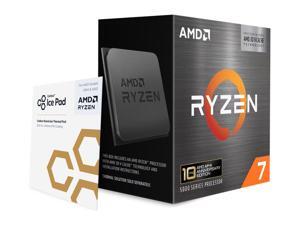

AMD Ryzen 7 5800X3D 10th Anniversary Edition - Ryzen 7 5000 Series Vermeer (Zen 3) 8-Core ...
- Series: Ryzen 7 5000 Series
- L3 Cache: 96MB
- L2 Cache: 4MB
- Cooling Device: Cooling device not included - Processor Only
- Brand: AMD
- CPU Socket Type: Socket AM4
- Name: Ryzen 7 5800X3D 10th Anniversary Edition
- Core Name: Vermeer (Zen 3)
- Model #: 100-100000651POF
- Item #: 9B-19-113-940
- Return Policy: Replacement Only Return Policy
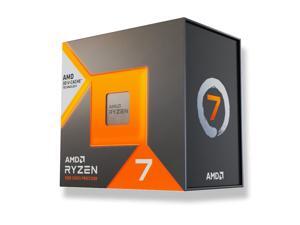
AMD Ryzen 7 7700X3D - Ryzen 7000 Series Raphael (Zen 4) 8-Core 4.0 GHz Socket AM5 120W ...
- Series: Ryzen 7000 Series
- L3 Cache: 96MB
- L2 Cache: 8MB
- Cooling Device: Cooling device not included - Processor Only
- Brand: AMD
- CPU Socket Type: Socket AM5
- Name: Ryzen 7 7700X3D
- Core Name: Raphael (Zen 4)
- Model #: 100-100002235WOF
- Item #: 9B-19-113-941
- Return Policy: Replacement Only Return Policy

AMD Ryzen 7 5800XT - Ryzen 7 5000 Series Vermeer (Zen 3) 8-Core 3.8 GHz Socket AM4 105W ...
- Series: Ryzen 7 5000 Series
- L3 Cache: 32MB
- L2 Cache: 4MB
- Cooling Device: AMD Wraith Prism
- Brand: AMD
- CPU Socket Type: Socket AM4
- Name: Ryzen 7 5800XT
- Core Name: Vermeer (Zen 3)
- Model #: 100-100001582BOX
- Item #: 9B-9UD19-113-846
- Return Policy: Standard Return Policy
Common Questions about Computer Processors
Introduction
Shopping for a computer processor can require some research to find the one that best meets your demands and is within your budget. Often, such research can lead to additional questions about features and specifications. To help you in your search for a computer CPU, NeweggBusiness answers some of the most common questions that users usually have.
How many cores do I need?
The number of cores that you need is largely dependent on the tasks and applications that the computer will be running. Having more than one core helps with multitasking and can improve performance if the software supports multi-core computer processors. For software that does not support multiple cores, multi-core CPUs will not provide additional performance gains.
Should I prioritize the number of cores or clock speed?
It can vary depending on how the processor will be used. If you intend to use the processor with software that can take advantage of multiple cores, then you should prioritize core count. If you are planning to use the computer processor with applications that cannot take advantage of multiple cores, you will see more performance benefits from faster clock speeds.
What is an Accelerated Processing Unit (APU)?
An APU is a type of computer processor produced by AMD that functions as both a CPU and graphics processing unit (GPU). Intel also produces computer processors with integrated GPUs, though they are not marketed as APUs. The advantage of a computer processor with a built-in graphics accelerator is the fact that a video card is not required, which lowers costs for assembling a computer system.
What does the nanometer (nm) rating signify?
A computer processor’s nm rating is a measurement of its die size. The die is a chip that is cut from a larger wafer and is measured in nanometers. The smaller a die is, the more that can be cut from a single wafer. The advantages for the manufacturer are lower production costs and higher yields. For end-users and IT professionals, the benefits of decreasing die size include lower heat production and power usage.
What is the difference between L1, L2, and L3 cache memory?
There are multiple levels of cache memory for a computer processor and each level has different data access speeds and capacities. The fastest is L1 cache, which is the primary cache and has the smallest storage capacity. Next is L2 memory, which is slightly slower but larger than L1 cache. L3 cache is the slowest but has the largest capacities of the three levels of cache memory.