
Server CPU Processor - Showing 601 - 624 of 1214 Products


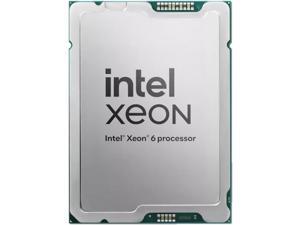

Intel Xeon 6 - 6972P Hexanonaconta-core (96 Core) 2.40 GHz Processor - OEM Pack - 480 MB ...
- # of Cores: 96-Core
- Series: Xeon 6
- L3 Cache: 480MB
- Manufacturing Tech: 3 nm
- 64-Bit Support: Yes
- Virtualization Technology Support: Yes
- Hyper-Threading Support: Yes
- Integrated Memory Controller Speed: 8800 MHz
- Model #: PK8072006022900
- Item #: 9SIV2XVKFF6034
- Return Policy: High Performance Tech Return Policy
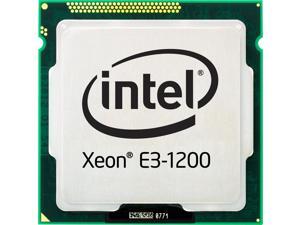

Intel Xeon E3-1220LV2 2.3 GHz LGA 1155 17W 682789-L21 Server Processor for HP DL320e ...
- # of Cores: Dual-Core
- Series: Xeon
- L3 Cache: 3MB
- Manufacturing Tech: 22 nm
- 64-Bit Support: Yes
- Virtualization Technology Support: Yes
- Hyper-Threading Support: Yes
- Integrated Memory Controller Speed: DDR3-1333/1600
- Model #: 682789-L21
- Item #: 9SIV1JDA7S0084
- Return Policy: Avanti Data Products Return Policy
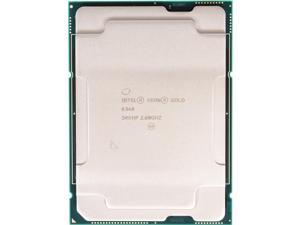
Intel Xeon Gold 6348 Ice Lake 2.6 GHz 42MB L3 Cache LGA 4189 235W CD8068904572204 ...
- # of Cores: 28-Core
- Series: Intel Xeon Gold
- L3 Cache: 42MB
- Manufacturing Tech: 10 nm
- 64-Bit Support: Yes
- Virtualization Technology Support: Yes
- Hyper-Threading Support: Yes
- Integrated Memory Controller Speed: 3200 MHz
- Model #: CD8068904572204,.
- Item #: 9SIV2XVKFV6983
- Return Policy: High Performance Tech Return Policy
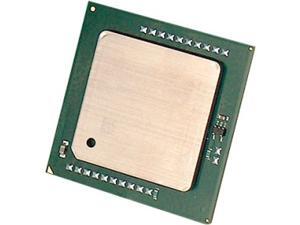
HP Xeon DP X5672 3.20 GHz Processor Upgrade - Socket B LGA-1366
- # of Cores: Quad-Core
- Series: Xeon DP
- L2 Cache: 1MB
- L3 Cache: 12MB
- Manufacturing Tech: 32 nm
- 64-Bit Support: Yes
- L1 Cache: 256 KB
- Model #: 625074-B21
- Item #: 9SIV1JDA7S6243
- Return Policy: Avanti Data Products Return Policy
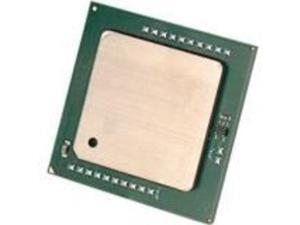
HP Intel Xeon E5-1630 v3 Quad-core (4 Core) 3.70 GHz Processor Upgrade - Socket R3 ...
- Series: Xeon
- L2 Cache: 1MB
- L3 Cache: 10MB
- Manufacturing Tech: 22 nm
- 64-Bit Support: Yes
- Voltage: 1.3 V DC
- L1 Cache: 1 MB
- Model #: 845119-B21
- Item #: 9SIV1JDA7R9703
- Return Policy: Avanti Data Products Return Policy
Intel Xeon Gold (5th Gen) 5512U Octacosa-core (28 Core) 2.10 GHz Processor - 52.50 MB L3 ...
- # of Cores: 28-Core
- Series: Intel Xeon Gold
- L3 Cache: 52.5MB
- Manufacturing Tech: 10 nm
- 64-Bit Support: Yes
- Cooling Device: Cooling device not included - Processor Only
- Virtualization Technology Support: Yes
- Integrated Memory Controller Speed: 4800 MHz
- Model #: PK8072205560000
- Item #: 9SIV2XVKVA5814
- Return Policy: High Performance Tech Return Policy
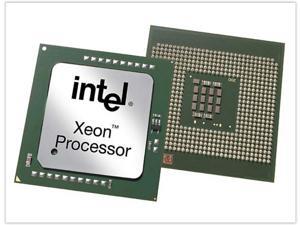
HP 733937-B21 Intel Xeon E5-2630 V3 Octa-Core (8 Core) 2.40 Ghz Processor Upgrade - ...
- Series: Xeon
- L2 Cache: 2MB
- L3 Cache: 20MB
- Manufacturing Tech: 22 nm
- 64-Bit Support: Yes
- QPI: 8.00 GT/s
- L1 Cache: 2 MB
- Model #: 733937-B21
- Item #: 9SIV1JDA7R9825
- Return Policy: Avanti Data Products Return Policy
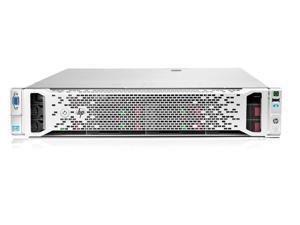
HPE 709943-001 Dl380P G8 E5-2690V2 2P 32G 8SFF Perf Svr
- Model #: 709943-001
- Item #: 9SIV1JDKC72475
- Return Policy: Avanti Data Products Return Policy
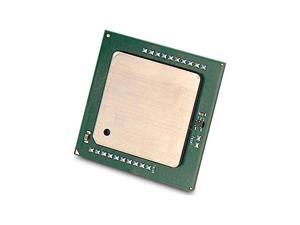
HP Intel Xeon E5-2697 v4 Octadeca-core 2.30 GHz Processor Upgrade w/ 45MB Cache
- # of Cores: 18-Core
- L3 Cache: 45MB
- Model #: 818202-B21
- Item #: 9SIV1JDA7S7338
- Return Policy: Avanti Data Products Return Policy
Intel Xeon Platinum (4th Gen) 8490H Hexaconta-core (60 Core) 1.90 GHz Processor - 112.50 ...
- # of Cores: 60-Core
- Series: Intel Xeon Platinum
- L3 Cache: 112.5MB
- Manufacturing Tech: 10 nm
- 64-Bit Support: Yes
- Cooling Device: Cooling device not included - Processor Only
- Virtualization Technology Support: Yes
- Hyper-Threading Support: Yes
- Model #: PK8071305074901
- Item #: 9SIV2XVKFS9217
- Return Policy: High Performance Tech Return Policy
Intel Xeon Platinum (4th Gen) 8480+ Hexapentaconta-core (56 Core) 2 GHz Processor - 105 ...
- # of Cores: 56-Core
- Series: Intel Xeon Platinum
- L3 Cache: 105MB
- Manufacturing Tech: 10 nm
- 64-Bit Support: Yes
- Cooling Device: Cooling device not included - Processor Only
- Virtualization Technology Support: Yes
- Hyper-Threading Support: Yes
- Model #: PK8071305074801
- Item #: 9SIV2XVKFS9288
- Return Policy: High Performance Tech Return Policy

Intel Xeon E5-2637 Sandy Bridge-EP 3.0 GHz 5 MB L3 Cache LGA 2011 80W 662926-B21 Server ...
- # of Cores: Dual-Core
- Series: Xeon
- L2 Cache: 512 KB
- L3 Cache: 5MB
- Manufacturing Tech: 32 nm
- 64-Bit Support: Yes
- Virtualization Technology Support: Yes
- Voltage: 0.6V - 1.35V
- Model #: 662926-B21
- Item #: 9SIV1JDA7S6663
- Return Policy: Avanti Data Products Return Policy
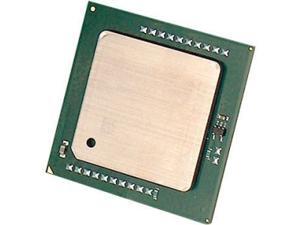
HP Xeon DP E5645 2.40 GHz Processor Upgrade - Socket B LGA-1366
- # of Cores: Six-Core
- Series: Xeon DP
- L2 Cache: 1.50 MB
- L3 Cache: 12MB
- Manufacturing Tech: 32 nm
- 64-Bit Support: Yes
- L1 Cache: 384 KB
- Model #: 638017-B21
- Item #: 9SIV1JDA7S7730
- Return Policy: Avanti Data Products Return Policy
Intel Xeon 6 - 6511P 2.3 GHz FCLGA 4710 72MB L3 Cache Granite Rapids Hyper-Threading ...
- # of Cores: 16-Core
- Series: Xeon 6
- L3 Cache: 72MB
- Manufacturing Tech: 3 nm
- 64-Bit Support: Yes
- Cooling Device: Cooling device not included - Processor Only
- Virtualization Technology Support: Yes
- Hyper-Threading Support: Yes
- Model #: PK8072006398801
- Item #: 9SIV2XVKUE3131
- Return Policy: High Performance Tech Return Policy
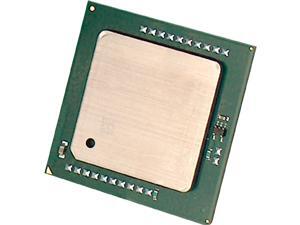
HP DL360p Gen8 Intel Xeon E5-2665 Sandy Bridge-EP 2.4GHz (Turbo Boost up to 3.1GHz) 2MB ...
- # of Cores: 8-Core
- Series: Xeon
- L2 Cache: 2MB
- L3 Cache: 20MB
- Manufacturing Tech: 32 nm
- 64-Bit Support: Yes
- Virtualization Technology Support: Yes
- QPI: 8.00 GT/s
- Model #: 666029-B21
- Item #: 9SIV1JDA7T7755
- Return Policy: Avanti Data Products Return Policy
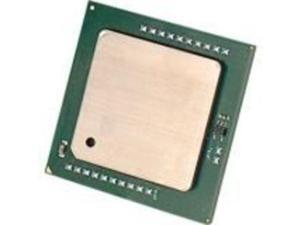
HP Intel Xeon E5-2660 v4 Tetradeca-core (14 Core) 2 GHz Processor Upgrade - Socket R3 ...
- Series: Xeon
- L2 Cache: 3.50 MB
- L3 Cache: 35MB
- Manufacturing Tech: 14 nm
- 64-Bit Support: Yes
- QPI: 9.60 GT/s
- L1 Cache: 3.50 MB
- Model #: 818180-B21
- Item #: 9SIV1JDA7S8639
- Return Policy: Avanti Data Products Return Policy
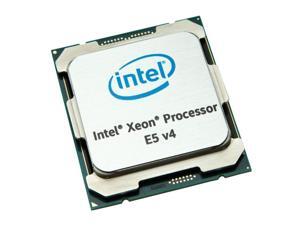
HP 2.40GHz 9.60GT/s QPI 35MB L3 Cache Intel Xeon E5-2680 v4 14 Core Processor Upgrade ...
- Series: Xeon
- L2 Cache: 3.50 MB
- L3 Cache: 35MB
- Manufacturing Tech: 14 nm
- 64-Bit Support: Yes
- QPI: 9.60 GT/s
- L1 Cache: 3.50 MB
- Model #: 825506-B21
- Item #: 9SIV1JDA7R9557
- Return Policy: Avanti Data Products Return Policy
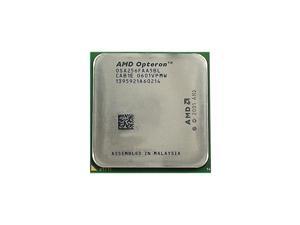
HP 699048-B21 Processor Kit
- Brand: AMD
- Operating Frequency: 2.5GHz
- CPU Socket Type: Socket 603
- Thermal Design Power: 115W
- # of Cores: 16-Core
- L3 Cache: 16MB
- 64-Bit Support: Yes
- Cooling Device: Cooling device not included - Processor Only
- Model #: 699048-B21
- Item #: 9SIV1JDA7S9332
- Return Policy: Avanti Data Products Return Policy
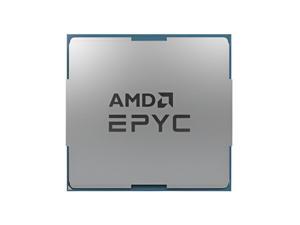

Amd 100-000000917 Epyc 96 Core 9654p 2.4ghz Processor
- Type: Rackmount
- Model #: 100-000000917-New
- Item #: 9SIV2XVKF75650
- Return Policy: High Performance Tech Return Policy
INTEL XEON GOLD 6342 PROC 36M CACHE 2.8GHZ FC-LGA16A TRAY Model ...
- Model #: CD 8068904657701
- Item #: 9SIV2XVK7V2722
- Return Policy: High Performance Tech Return Policy
Intel Xeon 6 - 6724P 3.6 GHz FCLGA 4710 72MB L3 Cache Granite Rapids Hyper-Threading ...
- # of Cores: 16-Core
- Series: Xeon 6
- L3 Cache: 72MB
- Manufacturing Tech: 3 nm
- 64-Bit Support: Yes
- Cooling Device: Cooling device not included - Processor Only
- Virtualization Technology Support: Yes
- Hyper-Threading Support: Yes
- Model #: PK8072006398900
- Item #: 9SIV2XVKUP7143
- Return Policy: High Performance Tech Return Policy
Intel Xeon 6 - 6980P Octacosahecta-core (128 Core) 2 GHz Processor - OEM Pack - 504 MB L3 ...
- # of Cores: 128-Core
- Series: Xeon 6
- L3 Cache: 504MB
- Manufacturing Tech: 3 nm
- 64-Bit Support: Yes
- Cooling Device: Cooling device not included - Processor Only
- Virtualization Technology Support: Yes
- Hyper-Threading Support: Yes
- Model #: PK8072006023100
- Item #: 9SIV2XVKFF5877
- Return Policy: High Performance Tech Return Policy

HP Xeon E7-4807 1.86 GHz Processor Upgrade - Socket LGA-1567
- # of Cores: Six-Core
- Series: Xeon
- L2 Cache: 1.50 MB
- L3 Cache: 18MB
- Manufacturing Tech: 32 nm
- 64-Bit Support: Yes
- L1 Cache: 288 KB
- Model #: 643776-B21
- Item #: 9SIV1JDA7S9035
- Return Policy: Avanti Data Products Return Policy
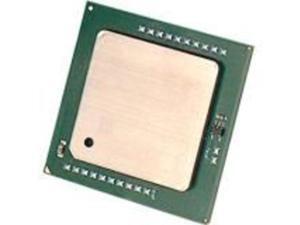
HP Intel Xeon E5-2680 v4 Tetradeca-core (14 Core) 2.40 GHz Processor Upgrade - Socket R3 ...
- Series: Xeon
- L2 Cache: 3.50 MB
- L3 Cache: 35MB
- Manufacturing Tech: 14 nm
- 64-Bit Support: Yes
- QPI: 9.60 GT/s
- L1 Cache: 3.50 MB
- Model #: 819842-B21
- Item #: 9SIV1JDA7S7347
- Return Policy: Avanti Data Products Return Policy
Desktop and Server Processor Comparison
What are the differences between a desktop and server processor?
Servers and desktops are used for different purposes, and a server processor reflects that. It is designed to be more robust and have features that are not needed in desktops. It must be able to process the needs of multiple users simultaneously, run reliably for very long periods of time, support server-specific hardware and software, manage network resources, and more. NeweggBusiness will detail some of the major hardware differences between desktop and server processors that allow the latter to meet those requirements.
Increased number of cores
The number of cores a processor has and the clock speed of those cores are two important factors that affect overall processor performance. Increasing the clock speed of a processor’s cores allows it to perform calculations quicker while increasing the number of cores allows it to perform more calculations simultaneously.
Some server programs can utilize multiple cores to increase the number processes that can be executed at one time. For instance, when multiple client computers send requests to a server, each individual core can be leveraged to handle a different request.
Multi-processor support
Some server motherboards have the ability to use more than one processor, with a handful able to support up to four CPUs. This allows for additional cores to be utilized by the server, which is then able to support more users and processes. For instance, one common practice is to use two quad-core processors for a total of eight useable cores.
Support for error-correction code (ECC) memory
Some server processors are able to support memory with error-correction code, otherwise known as ECC memory. ECC is a feature that allows the memory to perform self-checks and fixes for common data errors. It is a very important feature, as errors in system memory can lead to data corruption or crashes.
Larger CPU cache sizes
A CPU cache is a small amount of memory that is located on the processor chip and is used to store frequently accessed data. Compared to desktop processors, server processors will typically have larger caches.
Support for larger memory capacities
When comparing specifications for server and desktop processors, you may notice that some server processors are able to support very large amounts of memory—much more than desktop processors. However, the motherboard and software must also be able to support that much memory.
Rated for longer periods of sustained load
Servers sometimes operate continuously for very long periods of time, which can put a lot of strain on the processor. To meet those needs, server processors have features that help prevent overheating, reduce power consumption, equalize workloads, and more.