
Sound Card - Showing 121 - 144 of 514 Products
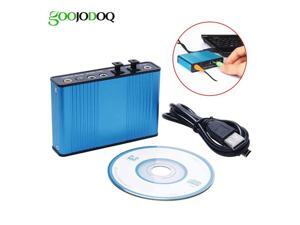
USB Sound Card 6 Channel 5.1 Optical External Audio Card Converter CM6206 Chipset for ...
- Model #: 1-Soun1-Car10010
- Item #: 9SIVN52KFZ7673
- Return Policy: yeye Return Policy
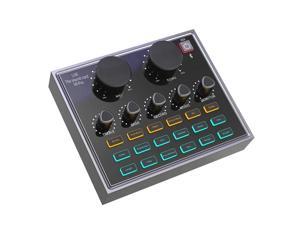
Equipment, Voice Converter for Computer / Phone / iPad / Etc., Sound Card with Various Funny ...
- Model #: 1-Soun1-Car10214
- Item #: 9SIVN52KFZ7692
- Return Policy: yeye Return Policy
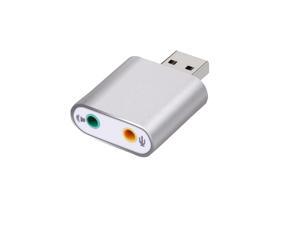
OEM USB 7.1 External Sound Card 3D Virtual Audio Sound Card Adapter with 3.5mm ...
- Model #: C1JG-L-327073
- Item #: 9SIVSKUKV95265
- Return Policy: GeDuoJiaJiBaiHuo Return Policy
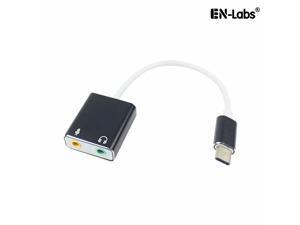
7.1 External Type C USB Sound Card for Macbook Pro Air, USB C to 3.5mm Audio Jack ...
- Model #: DF-Soun1-Car10846
- Item #: 9SIVPVGKM45407
- Return Policy: ShenZhenYanXinWuLiuYouXianGongSi Return Policy
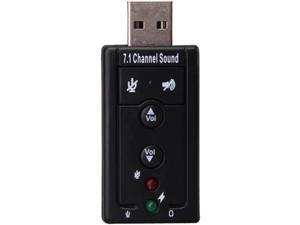
bus-powered sound card External 7.1 Channel CH Virtual Audio Sound Card Adapter For PC ...
- Model #: WB3EW-1217-95
- Item #: 9SIVSSHKU21590
- Return Policy: tomorroW3 Return Policy
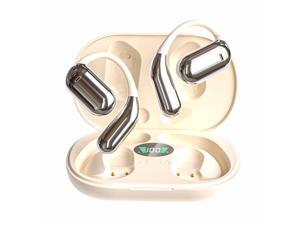
Q16 Audio Interface for Recording Computer Free Drive USB External Sound Card for Pc Pro ...
- Model #: C1JG-L-327062
- Item #: 9SIVSKUKV95256
- Return Policy: GeDuoJiaJiBaiHuo Return Policy
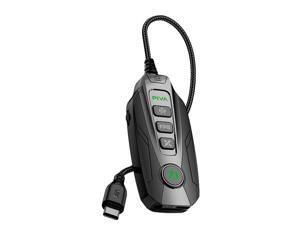
7.1 Channel USB-C External Sound Card Hi-Res Audio & RGB Sync | Plug & Play for Gaming ...
- Model #: C22J-L-416024
- Item #: 9SIVP88KVB2863
- Return Policy: XuanPin Return Policy
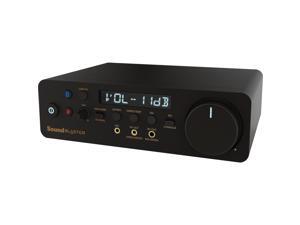
Creative Sound Blaster X5 Hi-res External Dual DAC USB Sound Card - 7.1 Sound Channels - ...
- Model #: 70SB182000000
- Item #: 9SIVP88KRF4653
- Return Policy: XuanPin Return Policy
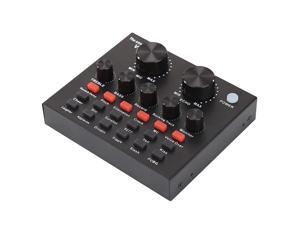
HEYUAN Live Sound Card, V8 Audio Card USB External Sound Card Headset Microphone ...
- Model #: LB09HBXV33Z
- Item #: 9SIVSM8KVA7120
- Return Policy: Guohuashangmao Return Policy
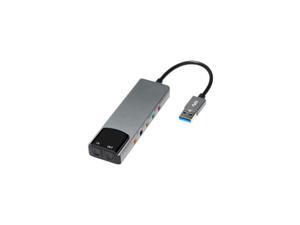
USB 5.1 Channel External Sound Card Optical SPDIF, Aluminum Alloy, for Laptop, PC, ...
- Model #: C5JS-C0330-38
- Item #: 9SIVSKVKUN3017
- Return Policy: JuWeiWangLuo Return Policy
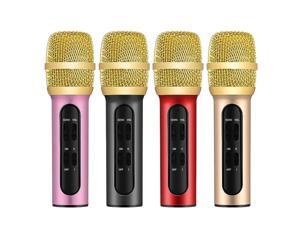
Mobile Phone K Song Condenser Sound Card Microphone Wireless K Song Live Singing ...
- Model #: 1-Soun1-Car10421
- Item #: 9SIV9F7KGK0227
- Return Policy: Fashion Technology Return Policy
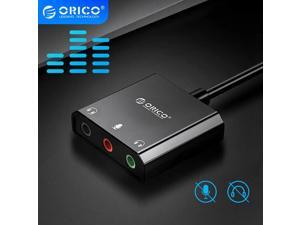
Sound Card External USB Interface 3.5mm Stereo Microphone Audio Volume Adjustment ...
- Model #: 1-Soun1-Car10320
- Item #: 9SIVN52KFZ7680
- Return Policy: yeye Return Policy
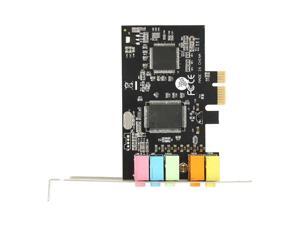
Sound Card PCI-E 5.1-Sound-Channel CMI8738 Desktop Computer Accessories for Win7 ...
- Model #: 1-Soun1-Car10745
- Item #: 9SIVMNCKMZ5589
- Return Policy: dazella store Return Policy
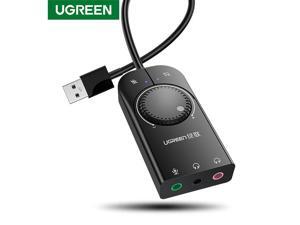
Sound Card USB Audio Interface External 3.5mm Microphone Audio Adapter Soundcard for ...
- Model #: 1-Soun1-Car10008
- Item #: 9SIVN52KFZ7695
- Return Policy: yeye Return Policy
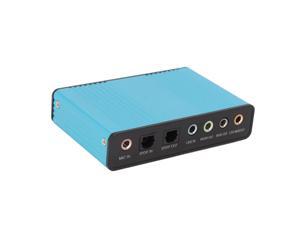
5.1 Channel USB Sound Card, Analog Play Recording External Sound Card for PC Laptop ...
- Model #: 578631606002
- Item #: 9SIVT3PKVR5955
- Return Policy: HangZhouQianChengSHOP Return Policy
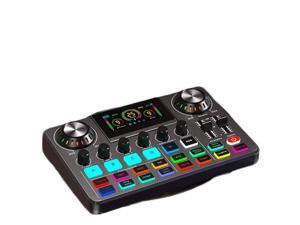
F668 Live Streaming Sound Card with Folding Digital Display, RGB Lighting Customizable ...
- Model #: C2AG-C0424-46
- Item #: 9SIVPDHKVX7194
- Return Policy: chaomao Return Policy
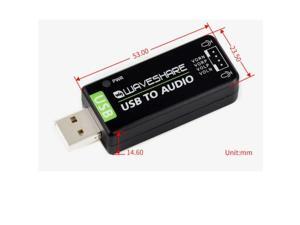
USB Sound Card for Raspberry Pi/ USB Audio Module External Audio Converter Recording and ...
- Model #: C1JG-L-330046
- Item #: 9SIVNXAKUA5892
- Return Policy: Dong Guan Shi Qing Yi Shang Mao You Xian Return Policy
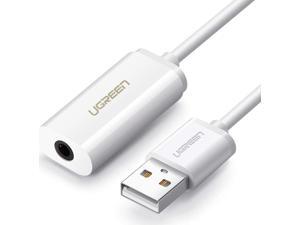
USB Sound Card External Converter USB Audio Adapter with 3.5mm Aux Stereo for Headset, ...
- Model #: 2408XKFS1556
- Item #: 9SIV9F7KKF4021
- Return Policy: Fashion Technology Return Policy
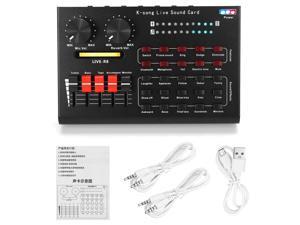
Bluetooth Sound Card Audio USB Headset Microphone Webcast Live Sound Card for Phone ...
- Model #: 1-Soun1-Car10854
- Item #: 9SIVN52KFZ7693
- Return Policy: yeye Return Policy
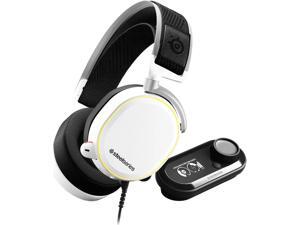
SteelSeries ARCTIS PRO + GAMEDAC Gaming Audio System
- Model #: BZ59-104-Z10
- Item #: 9SIVM7DKRD2727
- Return Policy: EnYZME Return Policy
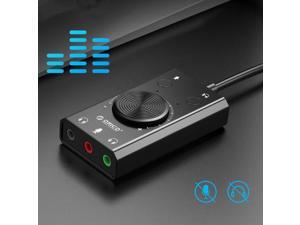
Weastlinks External USB Sound Card Stereo Mic Speaker Headset Audio Jack 3.5mm Cable ...
- Model #: WLSOC009
- Item #: 9SIVM7DKRD2892
- Return Policy: EnYZME Return Policy
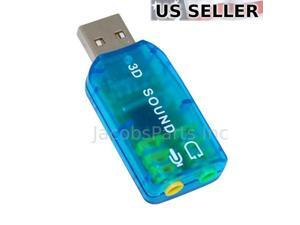
USB 3d Audio Sound Card Microphone Headset Adapter
- Model #: DF#152202347054_0
- Item #: 9SIVRA2KPM6324
- Return Policy: Hai Kou Shi Ying Tun Dian Zi Shang Wu Yo Return Policy
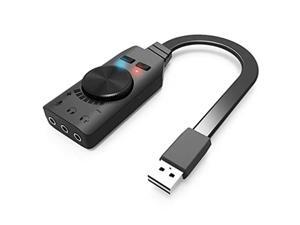
Usb Interface Virtual 7.1 Channel Usb adapter Sound Card Adapter 3.5mm mic and Drive one ...
- Model #: 1-Soun1-Car10210
- Item #: 9SIVN52KFZ7710
- Return Policy: yeye Return Policy
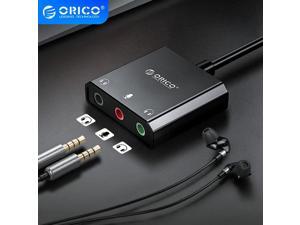
USB External Sound Card USB to Earphone Headphone Audio Interface Adapter For ...
- Model #: 1-Soun1-Car10385
- Item #: 9SIVPXNKM04357
- Return Policy: yinyueshengdianzishangwuyouxiangongsi Return Policy
Questions to Ask When Shopping for a Sound Card
Introduction
Though motherboards sometimes have built-in audio capabilities, there are advantages to using a dedicated sound card. For users that require more than basic audio playback functionality, integrated sound cards sometimes lack beneficial features and have lower specifications. To help guide you through the technical details, NeweggBusiness answers several common questions about sound cards below.
What is signal-to-noise-ratio (SNR)?
SNR is a measurement used to determine sound clarity and is usually given in decibels (dB). The higher the SNR is, the less background noise there will be during audio playback. Compared to onboard audio devices, dedicated sound cards typically have higher SNR ratings.
Some sound cards have different SNR ratings for various input and output ports, so it is important to examine the SNR specifications for all ports. For example, a sound card may have a SNR of 110 for its head phone output, 120 for its auxiliary input, and 130 for its rear output.
What do I need to output surround sound?
To output surround sound from a computer system, there are two common methods. One is to use a sound card with a separate analog output for each surround channel. Another is to use a sound card with a digital output such as TOSLINK or S/PDIF.
If you plan to have the computer output the audio to an A/V receiver, then you will want a sound card equipped with either TOSLINK or S/PDIF output. However, if you want to output audio directly to the speakers and not use a receiver, you can use a sound card equipped with separate analog outputs for each channel.
What type of motherboard interface do sound cards typically use?
The three most common types of interfaces for sound cards are PCI, PCI Express®, and USB. From a performance standpoint, PCI Express and USB 3.0 are capable of faster data transfer rates than PCI. However, a sound card will rarely use the maximum data bandwidth of the PCI standard.
When adding a sound card to a desktop PC, you should consider which expansion slots are available and if they will be used in the future. For laptops, USB is the only option if you wish to add a discrete sound card.
What does sample rate mean?
Sample rate is a measure of the number of audio samples taken per second and is commonly rated in either hertz (Hz) or kilohertz (kHz). A higher sample rate means more audio detail can be played or stored. For example, a sound card that can output 192 kHz is capable of better sound reproduction than one that outputs 96 kHz. If the computer will be used for tasks that require very accurate audio reproduction, you should choose a sound card capable of high sample rates.