
Computer Monitor - Showing 2233 - 2256 of 2620 Products
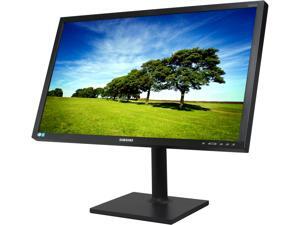

SAMSUNG S27C450D Matte Black 27" 5ms Height&pivot adjustable Widescreen LED ...
- Resolution: 1920 x 1080
- Monitor Pixel Density: 0.31125mm
- Display Colors: 16.7 Million
- Brand: SAMSUNG
- Cabinet Color: Matte Black
- Screen Size: 27"
- Response Time: 5 ms
- Widescreen: Yes
- Model #: S27C450D
- Item #: 9SIV0JCHYF7067
- Return Policy: Always.Deals Return Policy
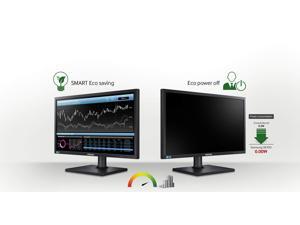
Samsung SE450 Series 27 inch FHD 1920x1080 Desktop Monitor for Business, DVI, VGA, ...
- Cabinet Color: Black
- Parts: 3 Year
- Model #: 887276215778
- Item #: 9SIV2S4KMK0404
- Return Policy: Fuji Labs USA, INC. Return Policy
14.0" LED LCD Screen LP140WF6-SPB3 30pin edp for Lenovo Thinkpad E460 IDEAPAD Y700 ...
- Model #: 1SC2REEN_248
- Item #: 9SIV106A7D0724
- Return Policy: Super 3C Store Return Policy
15.6" LED LCD Screen Exact LTN156HL01-102 IPS 72% Original EDP30PIN 1920X1080
- Model #: 1SC2REEN_452
- Item #: 9SIV106A7D0940
- Return Policy: Super 3C Store Return Policy
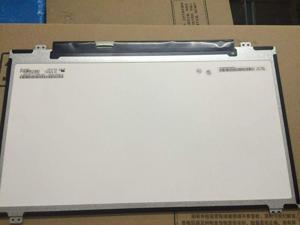
14.0" LCD Screen LP140WF6-SPB1 IPS edp30pin for Lenovo FRU:5D10H34771 1920x1080
- Model #: 1SC2REEN_625
- Item #: 9SIV106A7D1104
- Return Policy: Super 3C Store Return Policy
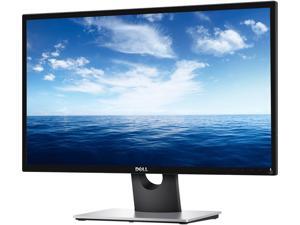

Dell SE2417HG Black 23.6" Gaming LCD Monitor, Dual HDMI Ports for Switching Between PC ...
- Screen Size: 24" (Actual size 23.6")
- Refresh Rate: 60Hz
- Resolution: 1920 x 1080
- Response Time: 2 ms
- Monitor Pixel Density: 0.2715mm
- Display Colors: 16.7 Million
- Panel: TN
- Aspect Ratio: 16:9
- Model #: SE2417HG
- Item #: 9SIV3VED2E0217
- Return Policy: Techrama1 Return Policy
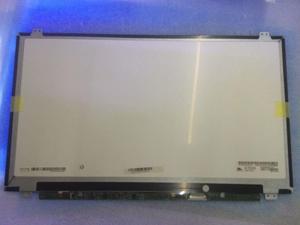
15.6" LED LCD Screen Display LP156WF6-SPK3 IPS 5D10L76793 1920x1080 30pin edp
- Model #: 1SC2REEN_747
- Item #: 9SIV106A7D1252
- Return Policy: Super 3C Store Return Policy
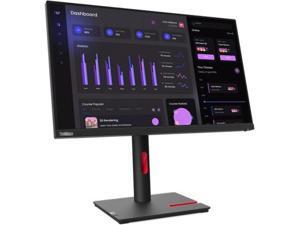

Lenovo ThinkVision 23.8 inch Monitor - T24i-30
- Refresh Rate: 60 Hz
- Brand: Lenovo
- Series: ThinkVision
- Cabinet Color: N/A
- Screen Size: 23.8 inch"
- Response Time: 4 ms (Extreme Mode), 6 ms (Normal Mode)
- Widescreen: 16:9
- HDMI: Yes
- Model #: 63CFMAR1US
- Item #: 9SIV726KSV3554
- Return Policy: MAJOOL INC Return Policy
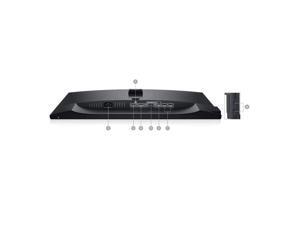
DELL P2719H 27" Full HD 1920 x 1080, 60 Hz, 8 ms, 16:9, LED LCD IPS Monitor
- Resolution: 1920 x 1080
- Refresh Rate: 60Hz
- Monitor Pixel Density: 0.311mm
- Display Colors: 16.7 Million
- Brand: Dell
- Cabinet Color: Black
- Screen Size: 27"
- Response Time: 8ms (Normal), 5 ms (Fast) - (GTG)
- Model #: P2719H
- Item #: 9SIV3JSJSB9134
- Return Policy: Iconic Micro, Inc Return Policy
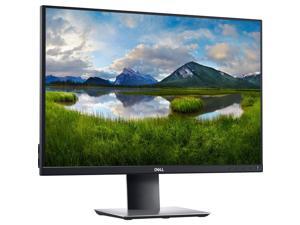
Dell 24.1" 60Hz IPS WUXGA IPS Monitor 8 ms D-Sub, DVI, HDMI, DisplayPort P2421
- Resolution: 1920 x 1200
- Refresh Rate: 60Hz
- Monitor Pixel Density: 0.27mm
- Display Colors: 16.7 Million
- Brand: Dell
- Cabinet Color: Black
- Screen Size: 24.1"
- Response Time: 8 ms
- Model #: DELL-P2421
- Item #: 9SIV3VEJHZ7006
- Return Policy: Techrama1 Return Policy
11.6 inch M116NWR4 R1 1366x768 LED LCD Screen Panel 30PIN eDP with No Screw Holes ...
- Model #: 1SC2REEN_814
- Item #: 9SIV106A7D1321
- Return Policy: Super 3C Store Return Policy
13.3" 1920x1080 30pin edp FHD IPS LED LCD Screen for N133HCE-GP1
- Model #: 1SC2REEN_636
- Item #: 9SIV106A7D1154
- Return Policy: Super 3C Store Return Policy
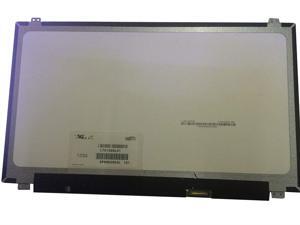
15.6" 1920X1080 LED LCD Screen Exact LTN156HL01-101 IPS 72%(CIE1931) EDP30PIN
- Model #: 1SC2REEN_859
- Item #: 9SIV106A7D1404
- Return Policy: Super 3C Store Return Policy
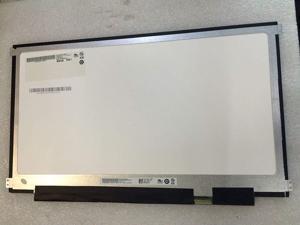
15.6" 3840X2160 4K UHD EDP 40PIN IPS LED LCD Screen for B156ZAN02.0
- Model #: 1SC2REEN_1401
- Item #: 9SIV106A7D1973
- Return Policy: Super 3C Store Return Policy
17.3" 1920X1080 DP/N:04259G FHD 50pin IPS RGB LCD Screen for LP173WF3-SLB1
- Model #: 1SC2REEN_1587
- Item #: 9SIV106A7D2136
- Return Policy: Super 3C Store Return Policy
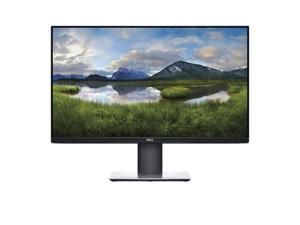
Dell 23" 60Hz IPS FHD Height Adjustable Monitor 8 ms (normal); 5 ms (fast) D-Sub, HDMI, ...
- Resolution: 1920 x 1080
- Refresh Rate: 60Hz
- Monitor Pixel Density: 0.265mm
- Display Colors: 16.7 Million
- Brand: Dell
- Cabinet Color: Black
- Screen Size: 23"
- Response Time: 8 ms (normal); 5 ms (fast)
- Model #: P2319H
- Item #: 9SIV3VED2E0501
- Return Policy: Techrama1 Return Policy
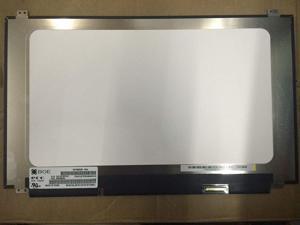
15.6" 3840X2160 UHD 4K EDP40IN LED LCD Screen for NV156QUM-N44
- Model #: 1SC2REEN_1476
- Item #: 9SIV106A7D2029
- Return Policy: Super 3C Store Return Policy
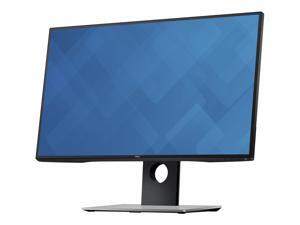
Dell UltraSharp U2717D 27" WQHD 2560x1440 2K Resolution 60Hz 6ms HDMI DisplayPort ...
- Resolution: 2560 x 1440 (2K)
- Refresh Rate: 60Hz
- Monitor Pixel Density: 0.2331mm
- Display Colors: 16.7 Million
- Brand: Dell
- Series: 117515
- Cabinet Color: Black
- Screen Size: 27"
- Model #: U2717D
- Item #: 9SIV3VED2E0369
- Return Policy: Techrama1 Return Policy
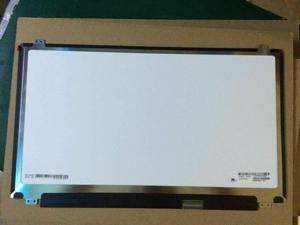
15.6" 3840×2160 IPS EDP40PIN 4K LED LCD Screen for LP156UD1(SP)(C1) LP156UD1-SPC1
- Model #: 1SC2REEN_1066
- Item #: 9SIV106A7D1601
- Return Policy: Super 3C Store Return Policy
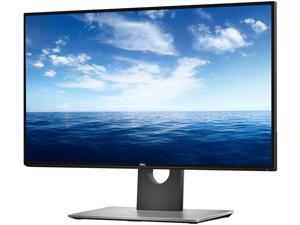
Dell UltraSharp U2518D 25" QHD 2560x1440 2K Resolution 60Hz Mini-DisplayPort HDMI ...
- Resolution: 2560 x 1440 (2K)
- Refresh Rate: 60Hz
- Monitor Pixel Density: 0.216mm
- Display Colors: 16.7 Million
- Brand: Dell
- Cabinet Color: Black
- Screen Size: 25"
- Response Time: 5ms (GTG)
- Model #: U2518D
- Item #: 9SIV3VED2E0200
- Return Policy: Techrama1 Return Policy
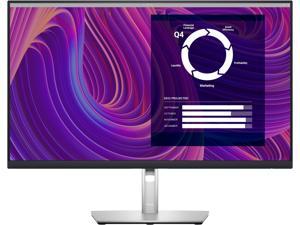
Dell 27" 60Hz IPS QHD IPS Monitor 8 ms (normal); 5 ms (fast) HDMI, DisplayPort, USB Flat ...
- Resolution: 2560 x 1440 (2K)
- Refresh Rate: 60Hz
- Monitor Pixel Density: 0.2331mm
- Display Colors: 16.7 Million
- Brand: Dell
- Screen Size: 27"
- Response Time: 8 ms (normal); 5 ms (fast)
- Widescreen: Yes
- Model #: DELL-P2723D
- Item #: 9SIV0NRKT57489
- Return Policy: IT WHOLESALERS Return Policy
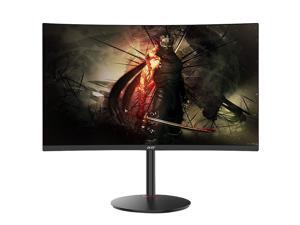

Acer Nitro XZ270 Xbmiipx 27" 1500R Curved Full HD (1920 x 1080) VA Zero-Frame Gaming ...
- Refresh Rate: 240Hz
- Brand: Acer
- Cabinet Color: Black
- Screen Size: 27"
- Response Time: 2ms
- Widescreen: Yes
- LED Backlight: Yes
- USB 2.0: 0
- Model #: UM.HX0AA.X01
- Item #: 9SIV2G2F465757
- Return Policy: PremierSource Return Policy
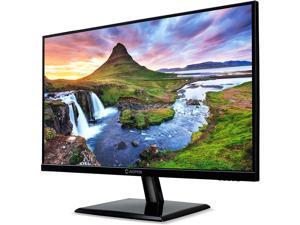
AOPEN 24CH2Y bix 23.8-inch Full HD (1920 x 1080) IPS Monitor 75Hz, 4ms (1 x HDMI and VGA ...
- Model #: UM.QC2AA.001-0
- Item #: 9SIV2G2HRG8321
- Return Policy: PremierSource Return Policy
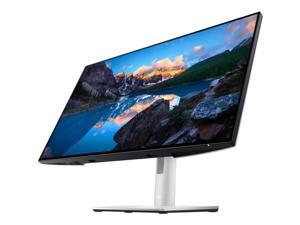
Dell 24" 60Hz IPS FHD IPS Monitor 5 ms HDMI, DisplayPort, USB, Audio Flat Panel UltraSharp ...
- Resolution: 1920 x 1080
- Refresh Rate: 60Hz
- Monitor Pixel Density: 0.2745mm
- Display Colors: 16.7 Million
- Brand: Dell
- Series: UltraSharp
- Cabinet Color: Black
- Screen Size: 24"
- Model #: DELLU2422H
- Item #: 9SIV2G2F3R6102
- Return Policy: PremierSource Return Policy
LCD Monitor Terms Explained
Introduction
Perhaps your organization is finally ready to switch from CRT monitors to LCD monitors or just needs additional computer monitors. Either way, shopping for a new LCD monitor is a process that will require a little bit of research. You will need to learn what certain specifications mean and why they matter to your staff. To expedite the learning process, NeweggBusiness has compiled the most common technical terms that you should know.
Common LCD Monitor Terms
Resolution
It is defined as the amount of pixels a monitor can display and given as a measurement of horizontal by vertical pixels. For example, if a display as a resolution of 1920 × 1080, it means that horizontally it is 1920 pixels long and vertically it is 1080 pixels long. The higher a monitor’s resolution, the more details it can display.
Most new 22” to 27” LCD monitors have 1920 × 1080 resolutions, though some 27” monitors have 2560 × 1440 resolutions. Monitors smaller than 22” often have 1600 × 900 resolutions, which is adequate for most office tasks such as data entry and word processing.
Contrast ratio
Contrast ratio is a measurement of the difference between the lightest and darkest colors that a monitor can display. A higher contrast ratio monitor is capable of producing darker blacks and truer whites. For computer LCD monitors, contrast ratio is given as a ratio, such as 800:1 or 40,000:1.
Backlighting
In your search for a computer LCD monitor, you may see some marketed as being LED monitors, which actually is in reference to the type of backlighting used. The term was originally used to differentiate LCD monitors that used LED backlighting from LCD monitors that used cold-cathode fluorescent lamps (CCFL) backlighting.
Response Time
Defined as the time required for a pixel to change from one color to another and then back again. It is measured in milliseconds (ms), with lower response times being better. The lower a monitor’s response time, the quicker it can update the images displayed on screen.
Viewing Angles
If you have ever looked at a computer LCD monitor from an extreme angle, you may notice that the colors may not look correct. You can see this when you look at a monitor straight on and slowly move to its sides. When you do so, you will eventually notice that the colors shift and the screen darken. A monitor’s viewing angles rating describes how wide of an angle the monitor will display accurate colors. The higher a monitor’s rated viewing angles, the further away from center you can still see colors accurately.
Refresh rate
It is defined as the number of times in a second a monitor refreshes the image it displays. The higher the number, the more often the monitor refreshes the display. It is most relevant when viewing fast-changing content, such as a movie. Most computer LCD monitors have a standard 60 hertz refresh rate while some high-end monitors are marketed as having 120 hertz.
Panel Technology
There are four major types of panel technologies that are used in modern LCD monitors, which NeweggBusiness will describe below.
Twisted nematic (TN)
The most common type of flat panel monitor, a TN display typically has fast response times and lower cost compared to the other panels. Their main disadvantages include narrow viewing angles, low brightness, and poor color accuracy relative to the other three panel technologies. Because color accuracy is not as great as the other three, professionals that require accurate color reproduction should look at other panel technologies.
Vertical Alignment (VA)
Computer screens that utilize VA panel technology have better viewing angles and color accuracy than TN displays but suffer from high response times. They also tend to be more expensive than TN panels.
In-Plane Switching (IPS)
Flat screen monitors that use IPS panels can be some of the most expensive, but they have very wide viewing angles and arguably the best color accuracy. A good choice for professionals that require accurate color reproduction, such as photographers, designers, and artists.
Plane-Line Switching (PLS)
A new panel technology developed and patented by Samsung, it has the wide viewing angles and high color accuracy of an IPS monitor with even higher maximum brightness. PLS monitors are an alternative to IPS monitors, but few companies currently utilize this Samsung-patented panel technology in their computer LCD monitors.