
Portable Monitor - Showing 289 - 305 of 305 Products
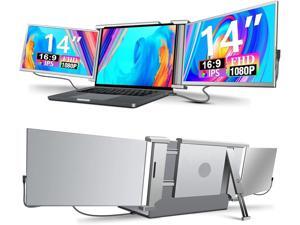
14" portable monitor Laptop Screen Extender, Tri-Screen Portable Monitor with two 14 inch ...
- Brand: XQGE
- Cabinet Color: silvery
- Screen Size: 14"
- Resolution: 1920 x 1080
- Brightness: 300 Nits
- Contrast Ratio: 1000:1
- Response Time: 5 ms
- Connectors: Thunderbolt 3
- Model #: BS1
- Item #: 9SIVSZ4KVM5721
- Return Policy: GP Vibrant Discount Return Policy
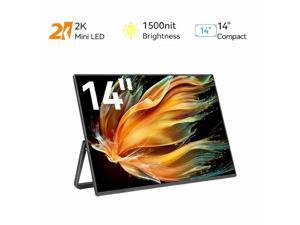

UPERFECT 14" Mini LED Portable Monitor, 2560x1600 2.5K, 1500 Nits, 1ms FreeSync, Built-in ...
- Screen Size: 14"
- Resolution: 2560 x 1600 (2K)
- Brightness: 1500 cd/m2
- Contrast Ratio: 2000:1
- Response Time: 1ms
- Maximum Resolution: 2560 x 1600
- Viewing Angle: 178° (H) / 178° (V)
- Display Colors: 16.7 Million
- Model #: M140T03W-WJM
- Item #: 9SIVJKEKV35197
- Return Policy: Uperfect Return Policy

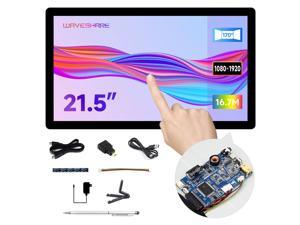
Waveshare 21.5inch Capacitive Touch Display, Compatible with Raspberry Pi ...
- Model #: 7460834300944
- Item #: 9SIVPDHKKB3673
- Return Policy: chaomao Return Policy
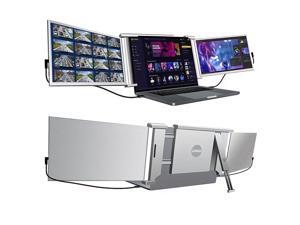
Laptop Screen Extender 16:9, 14'' FHD 1080P IPS Ultra-Thin Dual/Triple Portable Monitor ...
- Cabinet Color: Silver
- Screen Size: 14"
- Resolution: 1920 x 1080
- Brightness: 300 cd/m2
- Contrast Ratio: 1000:1
- Response Time: 5ms
- Panel: AH-IPS
- Display Type: FHD
- Model #:
- Item #: 9SIVSZ4KVM5722
- Return Policy: GP Vibrant Discount Return Policy
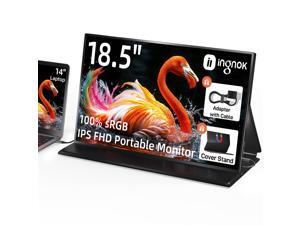
INGNOK Portable Monitor, 18.5 Inch FHD 1080P 100% sRGB Laptop Screen Extender USB C ...
- Brand: Ingnok
- Cabinet Color: Black
- Screen Size: 18.5 inches
- Pixel Pitch: 0.062
- Brightness: 300 candela
- Contrast Ratio: 1200:1
- Response Time: 25 milliseconds
- Input Video Compatibility: Any device supporting DVI, HDMI, or VGA interfaces
- Model #: YN05B
- Item #: 9SIVPN8KKJ9246
- Return Policy: INGNOK Return Policy

UPERFECT 23.8" 120Hz 1080P Ultra-Slim Portable Gaming Monitor with HDMI, USB-C, ...
- Brand: UPERFECT
- Screen Size: 23.8"
- Resolution: 1920 x 1080
- Brightness: 300 cd/m2
- Contrast Ratio: 1000:1
- Response Time: 3ms
- Panel: IPS
- Display Type: FHD
- Model #: M238F01W-WJM
- Item #: 9SIVJKEKF14185
- Return Policy: Uperfect Return Policy

UPERFECT 18.5" 120Hz FreeSync Portable Monitor, 1080P 100% sRGB FHD IPS HDR Gaming ...
- Brand: Uperfect
- Screen Size: 18.5"
- Resolution: 1920 x 1080
- Brightness: 350 cd/m2
- Contrast Ratio: 1500:1
- Panel: IPS
- Maximum Resolution: 1920*1080
- Viewing Angle: 178° (H) / 178° (V)
- Model #: M185T05W-WJM
- Item #: 9SIVJKEKEH4864
- Return Policy: Uperfect Return Policy
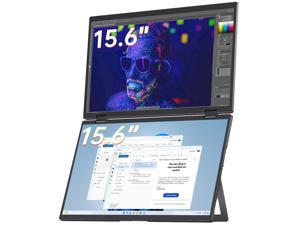
VisionOwl Stacked Portable Monitor 15.6inch Dual Foldable Travel Display 1080P 120% sRGB ...
- Model #: 443494331579
- Item #: 9SIVP88KKG1770
- Return Policy: XuanPin Return Policy
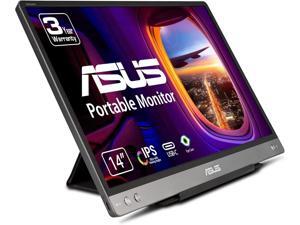

Refurbished: Asus ZenScreen MB14AC 14" Full HD LCD Monitor - 16:9 - Dark Gray - 14" Class - ...
- Type: Misc
- Model #: 90LM0631-B011B0
- Item #: 9SIV02WK4H4071
- Return Policy: Tech For Less Return Policy
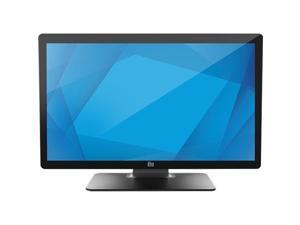
Elo 2703LM 27" Class LCD Touchscreen Monitor 16:9 14 ms E659596
- Brand: Elo Touch Solutions
- Screen Size: 27"
- Monitor Type: Touchscreen Monitor
- Model #:
- Item #: 9SIV1DSKTP1277
- Return Policy: NothingButSavings Return Policy
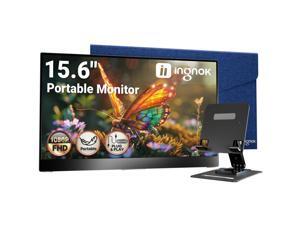
Ingnok Portable Monitor, Ultra Slim 15.6 Inch FHD IPS Laptop Screen Extender with Adjustable ...
- Model #: 508922726836
- Item #: 9SIVSAZKWP5119
- Return Policy: FoundationSurge Return Policy
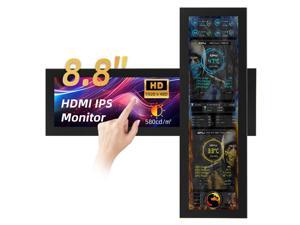
iPitstBit 8.8 Inch Touchscreen Monitor, 1920x480 PC Temperature Display, PC Sensor Panel ...
- Model #: 508922738860
- Item #: 9SIVSAZKWP5937
- Return Policy: FoundationSurge Return Policy
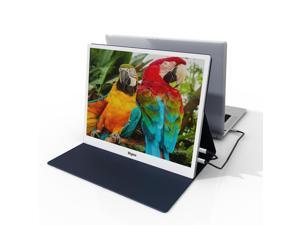
Bigme B13 13.3 Inch Color Epaper Monitor with Dual Type-C and Mini HDMI Ports, Built-in ...
- Model #: B13
- Item #: 9SIVM7GKWW9773
- Return Policy: Bigme Return Policy
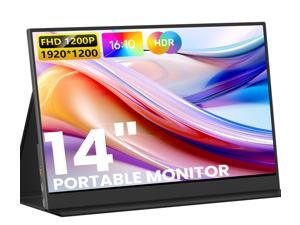
KEEPTIME Portable Monitor 14inch FHD 1920 * 1200P Travel Monitor, USB-C HDMI Laptop ...
- Model #: 508922733001
- Item #: 9SIVSAZKWP5546
- Return Policy: FoundationSurge Return Policy
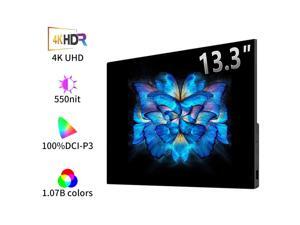
13.3 Inch 4K OLED TouchScreen Portable Monitor HDR 400 550Nits Screen With Type-C For for ...
- Monitor Type: Portable Monitor / Touchscreen Monitor
- Style: 16:9
- Model #: 13.3 OLED 4K 60hz Touch
- Item #: 9SIVJ4WKWP8552
- Return Policy: BOJUNTANG Return Policy
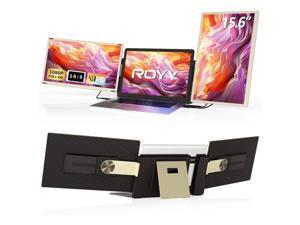
ROYY Laptop Screen Extender Double Monitor - 15.6" Detachable Portable Computer ...
- Model #: 508922732806
- Item #: 9SIVSAZKWP5520
- Return Policy: FoundationSurge Return Policy
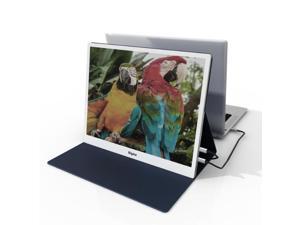
Refurbished: Bigme B13 13.3 Inch Color Epaper Monitor with Dual Type-C and Mini HDMI ...
- Screen Size: 13.3"
- Resolution: 3200x2400
- HDMI: Yes
- Model #: B13 used
- Item #: 9SIVM7GKWX2937
- Return Policy: Bigme Return Policy
Questions to Ask When Buying a Touch Screen Monitor
Introduction
In recent years, touch screen monitors have become more prevalent than ever. They have always been popular for point of sale computers and specialized workstations, but now are also more widely used with desktops and laptops for general office tasks. Microsoft® Windows® 8 furthers this trend by being much more touch-compatible than any other Windows operating system ever before. However, shopping for a touch screen monitor for a desktop or laptop computer will require you to a bit more selective than shopping for a non-touchscreen monitor.
As with shopping for a conventional monitor, some core considerations include: resolution, price, size, and panel type. The resolution of a monitor will determine the how much detail it is able to display, and you should aim for a 1920 × 1080 monitor if your budget allows. You should also consider what type of panel technology a touch screen monitor uses, as it can affect color accuracy, response time, and viewing angles.
The most common panel technologies for touchscreen monitors are: twisted nematic (TN), vertical alignment (VA), and in-plane-switching (IPS). Twisted nematic (TN) is the most common LCD monitor panel technology due to its low cost but has narrower viewing angles and less color accuracy than other panel technologies. VA and IPS panels offer superior viewing angles and color accuracy, but are more expensive. If you expect that the touch screen monitor will be used by a single user looking at it straight on, then a TN panel will be just fine. However, if it is going to be constantly viewed from the sides then you will need to look for a VA or IPS display.
When shopping for a non-touchscreen monitor, the importance of the stand is often downplayed and the focus is more on the display. For touch screen monitors though, the stand plays a central role. Because users will be touching the monitor with varying amounts of force, the stand will need to be sturdy enough to hold the monitor in place. Also, it needs to offer a large amount of adjustability for customizable ergonomics.
A touch screen monitor relies on its stand being both adjustable and also sturdy.
If your organization plans to use a touchscreen monitor with Windows 8, one of the most important considerations will be Windows 8 certification. Why does it matter? Because Windows 8 allows for greater touch input than any other desktop operating system before it and some inputs will require hardware functionality that not all touch screen monitors are capable of. Only touch screen monitors that meet Microsoft’s stringent hardware requirements are certified.
A touch screen monitor that is not Windows 8 certified will not be able to take full advantage of Windows 8’s touch-input features. For instance, a touch screen monitor with a large bezel surrounding the screen will not meet Windows 8 certification requirements because the bezel may interfere with edge to edge swiping motions. There are also more obscure requirements such as a touch screen monitor’s digitizer being human interface device (HID) complaint, which ensures that no software drivers are needed for the touchscreen functionality to work.
Touch screen monitors are more popular than ever, and new operating systems continue to integrate touch functionality into their designs. So if you are shopping for a touch screen monitor, not only should you consider the basic criteria such as resolution, price, size but also additional criteria such as panel type, and adjustability.