
Server CPU Processor - Showing 505 - 528 of 886 Products

100-000001145 EPYC 9175F 4.20GHz 16-Core Processor 5th Generation - Turin
- Model #: TGM-100-000001145
- Item #: 9SIVSYTKUR9336
- Return Policy: SuZhouLiYuanLiXinBaiHuo Return Policy
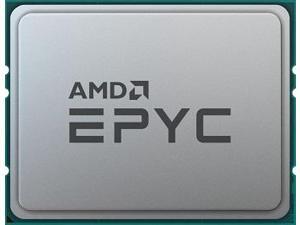
Hpe P38720-B21 Epyc 7713p 2.0ghz 64-Core 225w Processor
- Type: Control Module
- Model #: P38720-B21
- Item #: 9SIVSYTKUR9340
- Return Policy: SuZhouLiYuanLiXinBaiHuo Return Policy
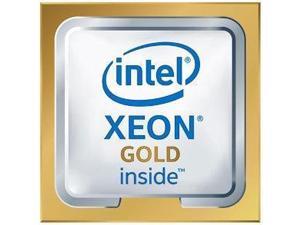

Intel Xeon Gold (4th Gen) 5416S Hexadeca-core (16 Core) 2 GHz Processor - 30 MB L3 Cache - ...
- Brand: Intel
- Name: Xeon Gold 5416S
- CPU Code Name: Sapphire Rapids
- Operating Frequency: 2.0 GHz
- CPU Socket Type: LGA 4677
- Thermal Design Power: 150W
- # of Cores: 16-Core
- Series: Intel Xeon Gold
- Model #: PK8071305122201
- Item #: 9SIVMRNM012582
- Return Policy: dnajknwd Return Policy
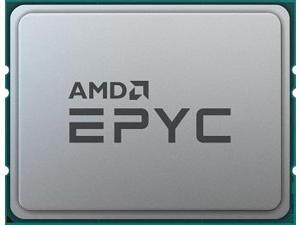
HPE P53708-B21 EPYC 9454 2.75GHZ 48-Core Gen-4 Processor
- Type: Control Module
- Model #: P53708-B21
- Item #: 9SIVSYTKWT6103
- Return Policy: SuZhouLiYuanLiXinBaiHuo Return Policy

CPU forXeon E5-4620V2 CPU 2.60GHz 8-Core 20M forLGA2011 E5 4620V2 E5 4620 V2 ...
- Model #: WLC78S.0814.Coll0183
- Item #: 9SIVTRHM4K4219
- Return Policy: Romeyooln Return Policy
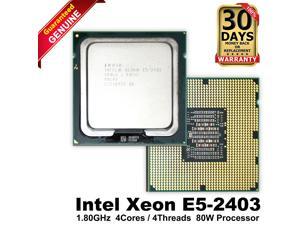
Intel Xeon E5-2403V2 SR1A8 1.80GHz Quad-Core LGA1356 Server CPU
- Brand: Intel
- Series: E5-2403V2
- Part Number: 1N8FC
- Model #: 1N8FC
- Item #: 9SIVG1JKFS2266
- Return Policy: Fastparts Return Policy

100-000001144 EPYC 9275F 4.10GHz 24-Core Processor 5th Generation - Turin
- Model #: TGM-100-000001144
- Item #: 9SIVSYTKUR9309
- Return Policy: SuZhouLiYuanLiXinBaiHuo Return Policy
Intel Xeon Gold 6354 3.0 GHz 39MB L3 Cache LGA 4189 205W CD8068904571601 Server ...
- Brand: Intel
- Name: Xeon Gold 6354
- CPU Code Name: Ice Lake
- Operating Frequency: 3.0 GHz
- CPU Socket Type: LGA 4189
- Thermal Design Power: 205W
- # of Cores: 18-Core
- Series: Intel Xeon Gold
- Model #: CD8068904571601
- Item #: 9SIVTW3M7M5673
- Return Policy: Swinsoft Limited Return Policy
100-000000478 EPYC 9454 2.75GHz 48-Core Processor - Genoa
- Model #: TGM-100-000000478
- Item #: 9SIVTW3M8X7033
- Return Policy: Swinsoft Limited Return Policy
HPE P60497-001 EPYC 9754 2.25GHz 128-Core Processor
- Type: Control Module
- Model #: P60497-001
- Item #: 9SIVSYTKWT6090
- Return Policy: SuZhouLiYuanLiXinBaiHuo Return Policy
HPE P39472-B21 EPYC 7643 2.3GHz 48-Core Processor
- Type: Control Module
- Model #: P39472-B21
- Item #: 9SIVSYTKUR9315
- Return Policy: SuZhouLiYuanLiXinBaiHuo Return Policy
XEON W-2155 PROCESSOR 13.75M
- Brand: Intel
- Name: W-2155
- CPU Code Name: SkyLake
- Operating Frequency: 3.3 GHz
- CPU Socket Type: LGA 2066
- Thermal Design Power: 140W
- # of Cores: 10-Core
- Series: Intel Xeon W
- Model #: CD8067303533703
- Item #: 9SIVMRNKZ81323
- Return Policy: dnajknwd Return Policy

100-000001460 EPYC 9745 2.40GHz 128-Core Processor 5th Generation - Turin
- Model #: TGM-100-000001460
- Item #: 9SIVSYTKWT6077
- Return Policy: SuZhouLiYuanLiXinBaiHuo Return Policy
Intel Xeon Gold 6348 Ice Lake 2.6 GHz 42MB L3 Cache LGA 4189 235W CD8068904572204 ...
- Brand: Intel
- Name: Xeon Gold 6348
- CPU Code Name: Ice Lake
- Operating Frequency: 2.6 GHz
- CPU Socket Type: LGA 4189
- Thermal Design Power: 235W
- # of Cores: 28-Core
- Series: Intel Xeon Gold
- Model #: CD8068904572204
- Item #: 9SIVTW3M7M5063
- Return Policy: Swinsoft Limited Return Policy
Intel CD8067303533403 Xeon W-2135 Tray Processor OEM
- Model #: 715663076919
- Item #: 9SIVMRNKPJ1731
- Return Policy: dnajknwd Return Policy
Intel Xeon Gold 6330N 2.2 GHz LGA 4189 165W CD8068904582501 Desktop Processor
- Brand: Intel
- Name: Xeon Gold 6330N
- CPU Code Name: Ice Lake
- Operating Frequency: 2.2 GHz
- CPU Socket Type: LGA 4189
- Thermal Design Power: 165W
- # of Cores: 28-Core
- Series: Intel Xeon Gold
- Model #: CD8068904582501
- Item #: 9SIVTW3M7M6766
- Return Policy: Swinsoft Limited Return Policy
Intel Xeon Gold 6334 3.6 GHz 18MB L3 Cache LGA 4189 165W CD8068904657601 Server ...
- Brand: Intel
- Name: Xeon Gold 6334
- CPU Code Name: Ice Lake
- Operating Frequency: 3.6 GHz
- CPU Socket Type: LGA 4189
- Thermal Design Power: 165W
- # of Cores: 8-Core
- Series: Intel Xeon Gold
- Model #: CD8068904657601
- Item #: 9SIVTW3M7M4645
- Return Policy: Swinsoft Limited Return Policy

100-000000074 Rome EPYC 7642 2.3GHz 48-Core Processor
- Model #: TGM-100-000000074
- Item #: 9SIVSYTKUR9333
- Return Policy: SuZhouLiYuanLiXinBaiHuo Return Policy

CPU forXeon E3-1275 E3 1275 3.4 GHz Quad-Core CPU Processor 8M 95W forLGA 1155
- Model #: WLC78S.0814.Coll0217
- Item #: 9SIVTRHM4K4175
- Return Policy: Romeyooln Return Policy
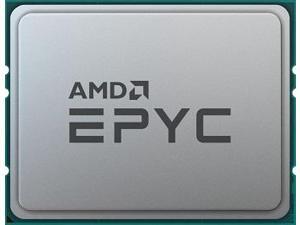
HPE P53700-B21 EPYC 9554 3.1GHZ 64-Core Gen-4 Processor
- Type: Control Module
- Model #: P53700-B21
- Item #: 9SIVSYTKWT6112
- Return Policy: SuZhouLiYuanLiXinBaiHuo Return Policy

Intel Xeon W-3175X Skylake 38.5MB Cache LGA 3647 255W CD8067304237800 Server ...
- # of Cores: 28-Core
- Series: Xeon
- L3 Cache: 38.5MB
- Manufacturing Tech: 14 nm
- 64-Bit Support: Yes
- Cooling Device: Cooling device not included - Processor Only
- Virtualization Technology Support: Yes
- Hyper-Threading Support: Yes
- Model #: CD8067304237800
- Item #: 9SIVMRNKZ79118
- Return Policy: dnajknwd Return Policy
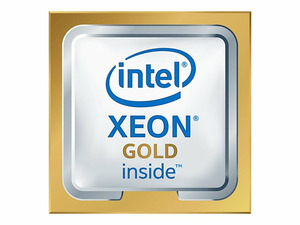
Intel Xeon Gold 6338 2.0 GHz LGA 4189 205W CD8068904572501 Desktop Processor
- Brand: Intel
- Name: Xeon Gold 6338
- CPU Code Name: Ice Lake
- Operating Frequency: 2.0 GHz
- CPU Socket Type: LGA 4189
- Thermal Design Power: 205W
- # of Cores: 32-Core
- Series: Intel Xeon Gold
- Model #: CD8068904572501
- Item #: 9SIVTW3M7M3727
- Return Policy: Swinsoft Limited Return Policy

Intel Xeon w7-3465X Octacosa-core (28 Core) 2.50 GHz Processor - 75 MB L3 Cache - 64-bit ...
- Brand: Intel
- Name: Xeon W7-3465X
- CPU Code Name: Sapphire Rapids
- Operating Frequency: 2.5 GHz
- CPU Socket Type: LGA 4677
- Thermal Design Power: Processor Base Power: 300 W Maximum Turbo Power: 360 W
- # of Cores: 28-Core
- Series: Intel Xeon W
- Model #: PK8071305081700
- Item #: 9SIVMRNKZ64610
- Return Policy: dnajknwd Return Policy
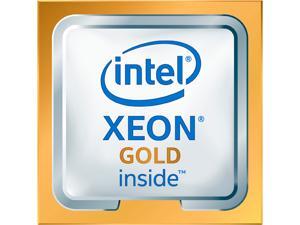
Intel 5220R 2.2 GHz 35.75MB L3 Cache LGA 3647 150W CD8069504451301 Server Processor
- Brand: Intel
- Name: 5220R
- CPU Code Name: Cascade Lake
- Operating Frequency: 2.2 GHz
- CPU Socket Type: LGA 3647
- Thermal Design Power: 150W
- # of Cores: 24-Core
- Series: Intel Xeon Gold
- Model #: CD8069504451301
- Item #: 9SIVTW3M7M3521
- Return Policy: Swinsoft Limited Return Policy
Desktop and Server Processor Comparison
What are the differences between a desktop and server processor?
Servers and desktops are used for different purposes, and a server processor reflects that. It is designed to be more robust and have features that are not needed in desktops. It must be able to process the needs of multiple users simultaneously, run reliably for very long periods of time, support server-specific hardware and software, manage network resources, and more. NeweggBusiness will detail some of the major hardware differences between desktop and server processors that allow the latter to meet those requirements.
Increased number of cores
The number of cores a processor has and the clock speed of those cores are two important factors that affect overall processor performance. Increasing the clock speed of a processor’s cores allows it to perform calculations quicker while increasing the number of cores allows it to perform more calculations simultaneously.
Some server programs can utilize multiple cores to increase the number processes that can be executed at one time. For instance, when multiple client computers send requests to a server, each individual core can be leveraged to handle a different request.
Multi-processor support
Some server motherboards have the ability to use more than one processor, with a handful able to support up to four CPUs. This allows for additional cores to be utilized by the server, which is then able to support more users and processes. For instance, one common practice is to use two quad-core processors for a total of eight useable cores.
Support for error-correction code (ECC) memory
Some server processors are able to support memory with error-correction code, otherwise known as ECC memory. ECC is a feature that allows the memory to perform self-checks and fixes for common data errors. It is a very important feature, as errors in system memory can lead to data corruption or crashes.
Larger CPU cache sizes
A CPU cache is a small amount of memory that is located on the processor chip and is used to store frequently accessed data. Compared to desktop processors, server processors will typically have larger caches.
Support for larger memory capacities
When comparing specifications for server and desktop processors, you may notice that some server processors are able to support very large amounts of memory—much more than desktop processors. However, the motherboard and software must also be able to support that much memory.
Rated for longer periods of sustained load
Servers sometimes operate continuously for very long periods of time, which can put a lot of strain on the processor. To meet those needs, server processors have features that help prevent overheating, reduce power consumption, equalize workloads, and more.