
Server & Workstation System - Showing 73 - 96 of 11323 Products


HPE ProLiant DL20 Gen11 6325P 3.5GHz 4-Core / 1x32GB / 4SFF / 2x960GB SATA SSD / ...
- Brand: HPE
- Series: ProLiant DL20 Gen11
- Workload: General Purpose Server
- Type: Rack
- Rack Height: 1U
- Hot-swap Fans: 3 x High Performance Fans
- CPU Type: Intel Xeon 6
- CPU Speed: 6325P (3.50 GHz)
- Model #: P83282-005
- Item #: 9B-59-319-264
- Return Policy: Manufacturer Only Return Policy
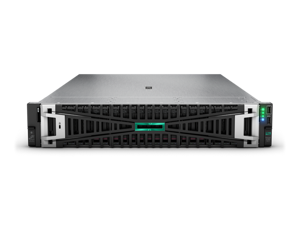
HPE ProLiant DL380 Gen11 5418Y 2.0GHz 24-Core / 2x32GB / BCM57416 10GbE / 8SFF / ...
- Brand: HPE
- Series: ProLiant DL380 G11
- Workload: General Purpose Server
- Type: Rack
- Rack Height: 1U
- Hot-swap Fans: HPE ProLiant DL380 Gen11 Standard Fan Kit
- CPU Type: Intel Xeon Gold
- CPU Speed: 5418Y (2.00 GHz)
- Model #: P83311-005
- Item #: 9B-59-319-274
- Return Policy: Manufacturer Only Return Policy
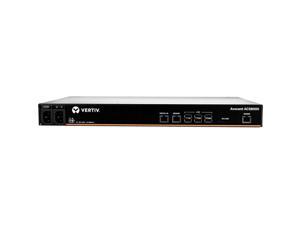
Avocent ACS 8000 48-Port Advanced Console Server
- Brand: Avocent
- Type: Tower
- Model #: ACS8048MDAC-400
- Item #: 9B-2YT-00UN-00001
- Return Policy: Manufacturer Only Return Policy
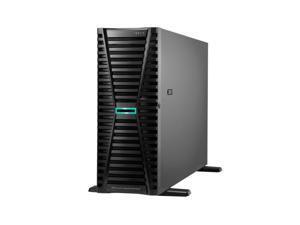
HPE ProLiant ML350 Gen12 6515P 2.3GHz 16-Core 1P 1x64GB-R 8SFF MR408i-o BCM5719 ...
- Brand: HPE
- Series: ProLiant ML350 G12
- Workload: General Purpose Server
- Type: Tower
- CPU Type: Intel Xeon 6
- CPU Speed: 6515P (2.30 GHz)
- Number of CPU Cores: 16-Core Processor
- Cache Memory: 72 MB L3
- Model #: P87788-005
- Item #: 9B-59-319-320
- Return Policy: Manufacturer Only Return Policy


Asus ExpertCenter Pro ET700I W7-B-1300 Performance AI Workstation - Intel Xeon ...
- Brand: ASUS
- Series: Expert Center Pro
- Part Number: PRO ET700I W7-B-1300
- Type: Tower
- CPU Type: Intel Xeon W
- MAX Processors: Intel Xeon W-3400/W-2400
- Chipset: Intel W790
- Max Memory Capacity: 1024 GB
- Model #: PRO ET700I W7-B-1300
- Item #: 9B-2NS-000T-000N8
- Return Policy: Manufacturer Only Return Policy
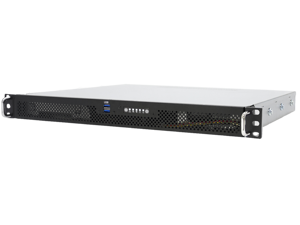

Advanced 1U Edge server, 15" depth, Liquid cool, AMD EPYC 4545P, 32GBx2, 2TBx2 M.2, ...
- Model #: ABS-Server-Reserved-004
- Item #: 9B-59-991-079
- Return Policy: Manufacturer Only Return Policy
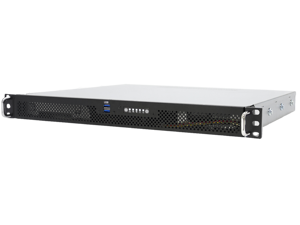
Advanced 1U Edge server, 15" depth, Air cool, AMD EPYC 4545P, 32GBx2, 2TBx2 M.2, ...
- Model #: ABS-Server-Reserved-003
- Item #: 9B-59-991-078
- Return Policy: Manufacturer Only Return Policy
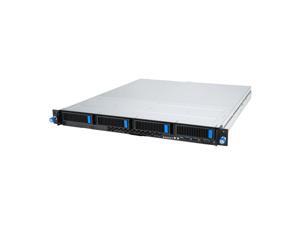
ASUS RS300-E12-PS4 is an Intel Xeon E-2400 1U server with support for four DDR5 ECC ...
- Model #: RS300-E12-PS4-1G2
- Item #: 9B-2NS-000T-000G2
- Return Policy: Manufacturer Only Return Policy
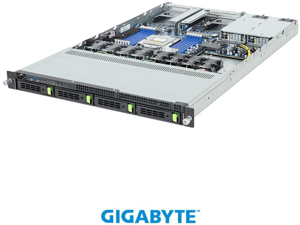
Gigabyte R163, 2 x 32GB, 2 x 1.92TB SSD
- Model #: ABS-Server-Reserved-002
- Item #: 9B-59-991-077
- Return Policy: Manufacturer Only Return Policy
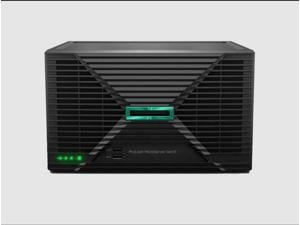

HPE ProLiant MicroServer Gen11 G7400 2c 16GB-U 4LFF-NHP 1TB HDD 180W Ext PS NA Cmp ...
- Type: MicroServer
- MAX Processors: 1
- Installed Memory Size: 16GB
- SSD (Installed): 1TB
- Model #: P74439005
- Item #: 9SIV0UUKKZ9794
- Return Policy: iNetSupply Return Policy
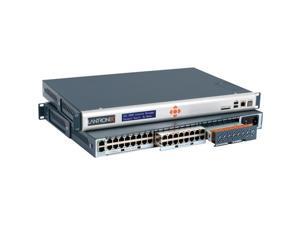
Lantronix SLC 8000 Device Server
- Model #: SLC80482211S
- Item #: 9SIV009GUD8998
- Return Policy: Antonline.com Return Policy
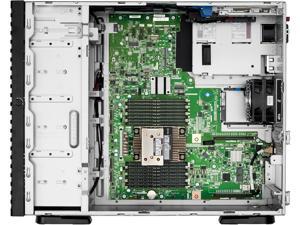
HPE ProLiant ML110 Gen11 server with one Intel® Xeon® Silver 4514Y Processor, 64 GB (2x32 ...
- Brand: HPE
- Series: ProLiant ML110 G11
- Workload: General Purpose Server
- Type: Tower
- Rack Height: 4.5U
- Hot-swap Fans: 2 x Standard Fans
- CPU Type: Intel Xeon Silver
- CPU Speed: 4514Y (2.00 GHz)
- Model #: P71687-005
- Item #: 9B-2NS-00AX-030F4
- Return Policy: Manufacturer Only Return Policy
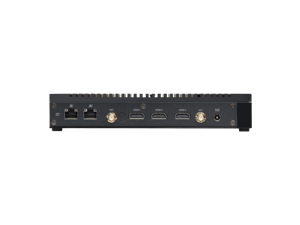
Ultraslim computer with 12th Gen Intel® Core™ processors, fan-less chassis for 15W CPU, 4K ...
- Brand: ASUS
- Part Number: 90MS02J2-M006X0
- Workload: Workstation
- Type: Tiny
- CPU Type: Intel Core i5 12th Gen
- CPU Features: Intel® Core™i5-1235U Processor
- # of Processors Installed: 1
- Installed Memory Size: 8GB
- Model #: 90MS02J2-M006X0
- Item #: 9SIV009KUN8545
- Return Policy: Antonline.com Return Policy
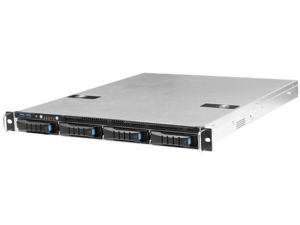
Optimized 1U AMD EPYC 4004/4005 Edge Server, 4545P 16GBx2 UDIMM ECC, 1TB M.2 NVMe,
- Model #: NE-1EA4S
- Item #: 9B-59-991-049
- Return Policy: Manufacturer Only Return Policy
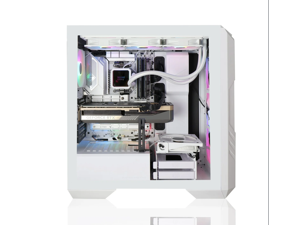

AVGPC Value Workstation (WS-I9-B60-D4-V1001), Intel Core i9 - 11900KF, Intel ARC B60 ...
- Brand: AVGPC
- Series: Value Workstation
- Type: Mid-tower
- Server Scalability: 1-Way
- AI Features: AI Ready
- CPU Type: Intel Core i9 11th Gen
- CPU Speed: Intel Core i9-11900KF (3.5 GHz)
- Model #: WS-I9-B60-D4-V1001
- Item #: 9B-59-994-002
- Return Policy: Manufacturer Only Return Policy
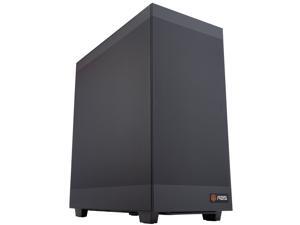
ABS Customized Ruby Mid-tower GPU Workstation / Desktop Computer PC - AMD EPYC 4565P ...
- Model #: CR4565P-RP5000-128
- Item #: 9B-59-991-072
- Return Policy: Manufacturer Only Return Policy
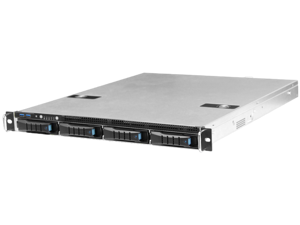
Optimized 1U AMD EPYC 4004/4005 Edge Server, 4545P 16GBx2 UDIMM ECC, 1TB M.2 NVMe, ...
- Model #: NE-1EA4S4T
- Item #: 9B-59-991-050
- Return Policy: Manufacturer Only Return Policy
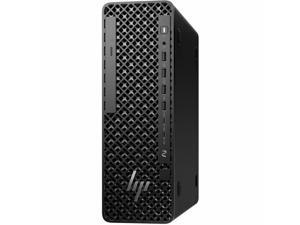
HP Z2 G1i Workstation - Intel Core Ultra 9 285K - 32GB - 1TB SSD - Intel W880 Chip - Windows 11 ...
- Brand: HP
- Series: Z2 G1i Workstation
- Part Number: BN5M4UT#ABA
- CPU Type: Intel Core Ultra 9
- Installed Memory Size: 32 GB
- SSD (Installed): 1TB
- Model #: BN5M4UT#ABA
- Item #: 9SIV009KM90598
- Return Policy: Antonline.com Return Policy
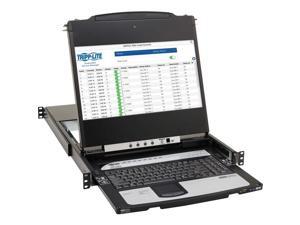
Tripp Lite B030-DP08-17DIP 8-Port DisplayPort KVM Switch Console B030DP0817DIP
- Model #: B030DP0817DIP
- Item #: 9SIV009JN12230
- Return Policy: Antonline.com Return Policy
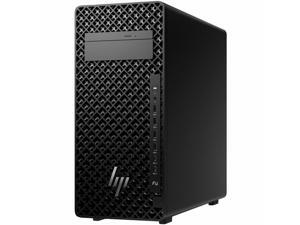
HP Z2 G1i Workstation - Intel Core Ultra 9 285K - 32 GB - 1TB SSD - Tower - Intel W880 Chip - ...
- Brand: HP
- Part Number: BN6X1UT#ABA
- CPU Type: Intel Core Ultra 9
- Installed Memory Size: 32GB
- SSD (Installed): 1TB
- Package Contents: Z2 Tower G1i Workstation Desktop PC Wolf Pro Security Edition HP 320K Wired Keyboard HP Wired 320M Mouse
- Model #: BN6X1UT#ABA
- Item #: 9SIV1DSKJ76081
- Return Policy: NothingButSavings Return Policy
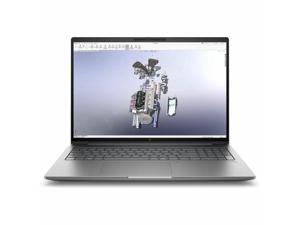
HP ZBook X G1i 16" Mobile Workstation - Intel Core Ultra 9 285H - 32 GB - 1 TB SSD - Windows 11 ...
- Brand: HP
- Series: Zbook
- Part Number: C5NC0UT#ABA
- CPU Type: Intel Core Ultra 9
- CPU Speed: Intel Core Ultra 9 285H
- Installed Memory Size: 32 GB
- Memory Type: DDR5
- Max Memory Capacity: 64GB
- Model #: C5NC0UT#ABA
- Item #: 9SIV009KKT0264
- Return Policy: Antonline.com Return Policy
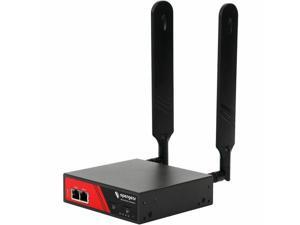
Opengear ACM7000 Resilience Gateway - Remote Management, Remote Monitoring
- Model #: ACM7004-2-GLB
- Item #: 9SIV009KS68510
- Return Policy: Antonline.com Return Policy
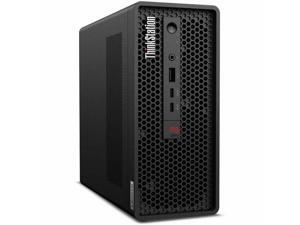

Lenovo ThinkStation P3 Ultra Gen 2 30J50032US Workstation - Intel Core Ultra 7 2nd Gen 265 - ...
- Brand: Lenovo
- Part Number: 30J50032US
- CPU Type: Intel Core Ultra 7
- Installed Memory Size: 32GB
- SSD (Installed): 512GB
- Parts: 3 Year
- Model #: 30J50032US
- Item #: 9SIV009KJU8320
- Return Policy: Antonline.com Return Policy
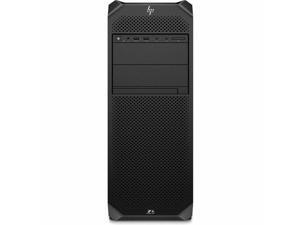
HP Z6 G5 Workstation - Intel Xeon w5-3423 (2 GHz) - 16 GB - 512 GB SSD - Tower - Intel W790 ...
- Brand: HP
- Series: Z6 G5 Workstation
- Part Number: BG9B7UT#ABA
- Workload: Workstation
- Type: Tower
- CPU Type: Intel Xeon
- CPU Speed: w5-3423 (2 GHz)
- # of Processors Installed: 1
- Model #: BG9B7UT#ABA
- Item #: 9SIV009KK13478
- Return Policy: Antonline.com Return Policy
Choosing the Right Server System
Introduction
If your organization has several computers and will continue to increase that number, you should consider purchasing server and workstation systems. They are computer systems that function as centralized resources for a network. Before shopping for a server though, there are a few basics that you need to know.
What is a Server?
A server is a computer that provides services or data to other computers, known as clients. In most network configurations, the server is the main gateway between an organization’s internal network and the internet. It can be used for a variety of purposes, from storing files to hosting Web sites. The hardware inside server and workstation systems is similar to what you would find in a desktop computer. They have the usual components such as processors, memory, and hard drives. The difference is that the components inside a server are designed for long and continuous use with little to no downtime.
Do I Need a Server?
If your organization has data that needs to be accessed by multiple users, then it will benefit from utilizing server and workstation systems. Even if a network is comprised of only two computers, a server is excellent for storing and sharing files for those two computers. And if you have mobile staff that frequently travel, they will be able to remotely access information and programs on your organization’s network through the server.
Larger organizations will probably have several servers, each performing different tasks. For example, one server could be for file sharing, one for hosting the Web site, and another for handling the e-mail needs of the staff. For larger organizations with multiple offices, having a server means that the staff will be able to easily share files across different geographic locations.
What Server Should I Get?
There are three types of server and workstation systems, tower, rack-mount, and blade. Which one you should use depends on the size of your organization’s network and the amount of traffic you expect.
Tower
The most basic of the three, a tower server looks very similar to a desktop tower computer. One advantage of a tower server is that it does not require a great deal of space and is ideal for organizations with a small network.
The downsides of a tower system are that it has limited expandability and utilizes a fair amount of cabling. In an office with several tower server systems, this can mean a jumble of cables and a lot of space used up by peripherals and input devices.
Rack-mounted
A rack-mounted server bears little resemblance to a desktop tower. It has standardized dimensions and is designed to be inserted into a rack-mount server chassis. A rack-mount chassis can hold several servers in slots, one on top of another. A rack-mount setup is much more space-efficient than a tower and it is possible to put many more servers into one space than with tower server systems. Aside from the space savings, rack-mount servers also makes cabling more manageable.
Blade
A blade server is similar to a rack-mounted workstation computer in that it also needs to be installed into an enclosure. However, a blade computer server is much more compact and space-efficient than a rack-mount, because the internal components are designed to have a low profile or be integrated onto the motherboard.