
USB Flash Drives - Showing 913 - 936 of 971 Products
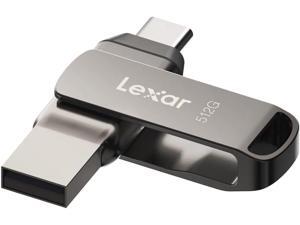
512GB JumpDrive Dual Drive D400 USB 3.2 Type-C & Type-A Flash Drive for Storage ...
- Model #: WUQ323GF57285
- Item #: 9SIVFTRKCD5705
- Return Policy: SWYFLY Return Policy
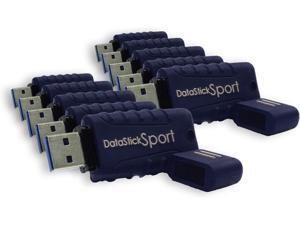
Centon Electronics MP Essential USB 3.2 Gen1 DataStick Sport Flash Drive, 32 GB, 10 USB Flash ...
- Model #: LIUEB07RZ8M5Q2
- Item #: 9SIVPZHKM73110
- Return Policy: changshacanboyidianzishangwu Return Policy
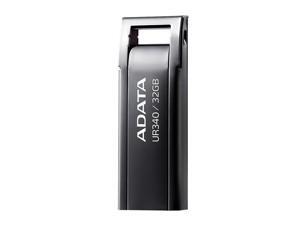

ADATA, UR340 USB 3.2 Gen1 Flash Drive Metal Splashproof Shockproof Dustproof 32GB Black
- Brand: ADATA
- Capacity: 32GB
- Model #: UR340
- Item #: 9SIVHBEKX11076
- Return Policy: Quality Photo BTB Return Policy
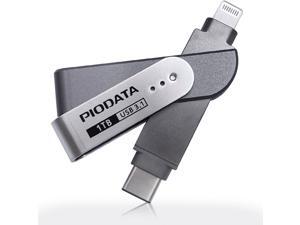
iXflash 1 TB MFi Certified Lightning & USB Type C Flash Pen Drive for iPhone/iPad/Mac/PC ...
- Model #: LIUEB0BRPQLMD7
- Item #: 9SIVPZHKM73104
- Return Policy: changshacanboyidianzishangwu Return Policy
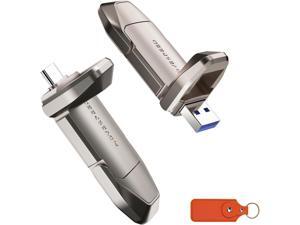
256GB Solid State Flash Drive USB 3.2 550MB/s High Speed, Type C USB Dual Interface Drive ...
- Model #: WUQ323GF57289
- Item #: 9SIVFTRKCD5766
- Return Policy: SWYFLY Return Policy
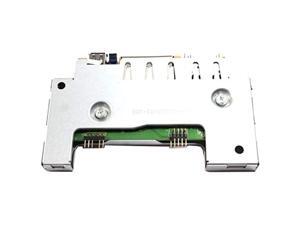

Dell Media Card Reader Board Front Panel 0H323j H323j
- Model #: e5f9467c-b4f9-4-N2
- Item #: 9SIVG1JK581324
- Return Policy: Fastparts Return Policy
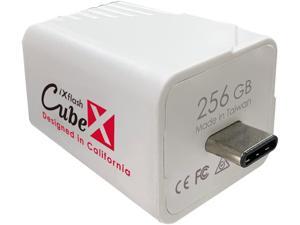
iXflash Cube 256 GB Photo Storage Device Apple MFi Certified USB Type C with Quick Charge for ...
- Model #: LIUEB09ZHNNYWD
- Item #: 9SIVPZHKM73109
- Return Policy: changshacanboyidianzishangwu Return Policy
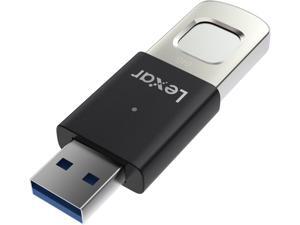
128GB JumpDrive Fingerprint F35 PRO USB 3.2 Gen 1 Flash Drive, Up to 400/300 MB/s ...
- Model #: WUQ323GF57284
- Item #: 9SIVFTRKCD5704
- Return Policy: SWYFLY Return Policy
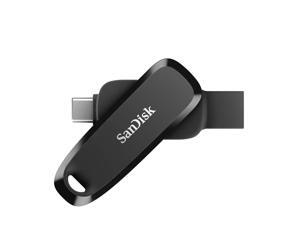

SanDisk 32GB Phone Drive OTG USB Type-C & Type-A USB 3.2 Gen 1 read speeds up to ...
- Capacity: 32GB
- USB Specification: USB 3.2 Gen 1
- Color: Black
- Model #: SDDDC6-032G-G46
- Item #: 9SIVD5AKF26663
- Return Policy: fullnecz Return Policy
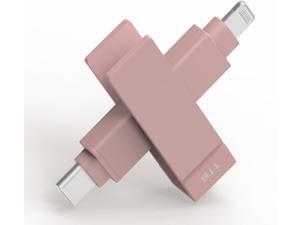
1 TB Apple MFi Certified iXflash Backup Flash Drive 2-in-1 USB Type C & Lightning for iPhone, ...
- Model #: LIUEB0DX1NKQF7
- Item #: 9SIVPZHKM73101
- Return Policy: changshacanboyidianzishangwu Return Policy
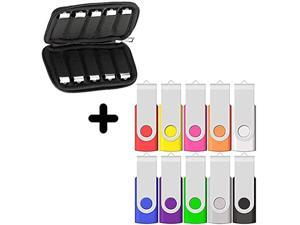
4GB USB Flash Drives 10 Pack and USB Case of 10 Slots Bundle USB Holders to Organize 10 ...
- Model #: 692213242157
- Item #: 9SIVN52KPD8547
- Return Policy: yeye Return Policy
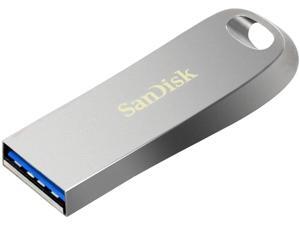
Sandisk USB Ultra Luxe USB3.1 USB Flash Drive (SDCZ74) 1TB
- Model #: SDCZ74-1T00
- Item #: 9SIVD5AKF26637
- Return Policy: fullnecz Return Policy
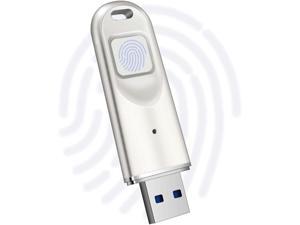
USB Flash Drive, Fingerprint Encrypted USB Drive, External Storage Fingerprint, High Speed ...
- Model #: LIUEB0DBQCNQCY
- Item #: 9SIVPZHKM77120
- Return Policy: changshacanboyidianzishangwu Return Policy
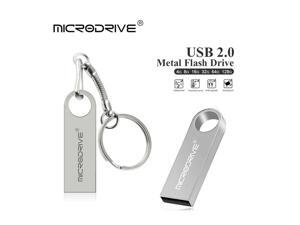
BONAEVER Mini USB Flash Drive Microdrive 16GB Data Traveler USB 2.0 Flash Drive Speed Up to ...
- Capacity: 16GB
- USB Specification: USB 2.0
- Color: Silver
- Model #: 14Y100G-E12
- Item #: 9SIVMSMKNS7910
- Return Policy: BEYOND Return Policy
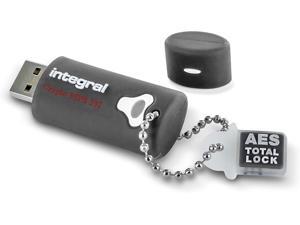
16GB Crypto-197 256-Bit 3.0 USB Flash Drive Encrypted - FIPS 197 Certified, Brute Force ...
- Model #: WUQ323GF57291
- Item #: 9SIVFTRKCD5774
- Return Policy: SWYFLY Return Policy
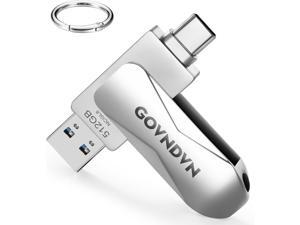
512GB Photo-Stick-for-iPhone-16 15 USB-C-iPhone-Photo-Stick for iPad Android Phone ...
- Model #: WUQ323GF57293
- Item #: 9SIVFTRKCD5783
- Return Policy: SWYFLY Return Policy
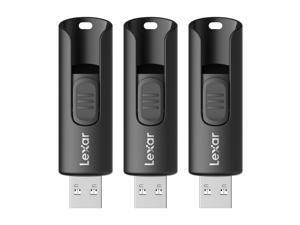
64GB 3-Pack Flash Drive A30E USB 3.2 Gen 1, USB Drive up to 100MB/s, Storage Expansion and ...
- Model #: 344653506125
- Item #: 9SIVSC0KWW8736
- Return Policy: DuoDuoShangHang Return Policy
Mini USB Flash Drive Microdrive 32GB Data Traveler USB 2.0 Flash Drive Speed Up to 100MB/s ...
- Model #: AK15.5Y100G-E11
- Item #: 9SIVMSMKNS5994
- Return Policy: BEYOND Return Policy
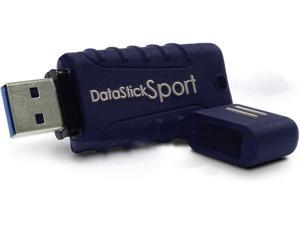
Centon Electronics MP Essential USB 3.2 Gen1 DataStick Sport Flash Drive, 16 GB, 10 USB Flash ...
- Model #: LIUEB079YZ5KQR
- Item #: 9SIVPZHKM73270
- Return Policy: changshacanboyidianzishangwu Return Policy
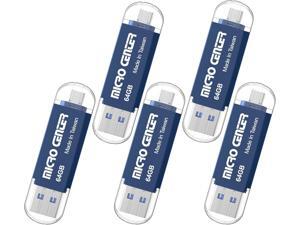
Micro Center Super Speed 5 Pack 64GB Type C and Type A 2-in-1 Dual USB 3.0 Flash Drive OTG ...
- Model #: WUQ323GF57288
- Item #: 9SIVFTRKCD5762
- Return Policy: SWYFLY Return Policy
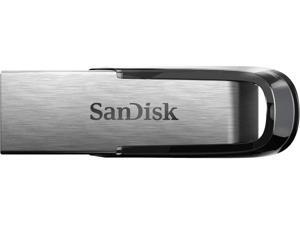
SanDisk USB Ultra Flair USB 3.0 USB Flash Drive (SDCZ73) 1TB
- Model #: SDCZ73-1T00
- Item #: 9SIVD5AKK31043
- Return Policy: fullnecz Return Policy
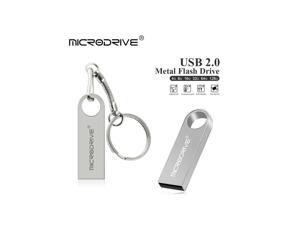
Mini USB Flash Drive Microdrive 32GB Data Traveler USB 2.0 Flash Drive Speed Up to 100MB/s ...
- Model #: AK15.5Y100G-EGT11
- Item #: 9SIVMSMKNS5970
- Return Policy: BEYOND Return Policy
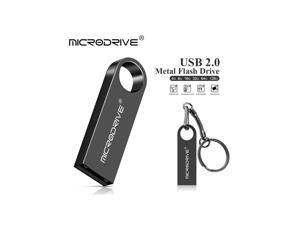
Mini USB Flash Drive Microdrive 128GB Data Traveler USB 2.0 Flash Drive Speed Up to 100MB/s ...
- Model #: AK53Y100G-E1111
- Item #: 9SIVMSMKNS5975
- Return Policy: BEYOND Return Policy
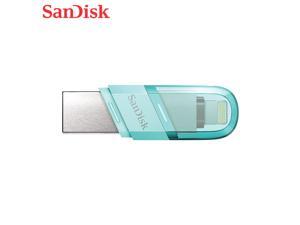
SanDisk 64GB iXpand Flash Drive Flip USB 3.1 Gen 1 USB Type-A & Lightning ...
- Brand: SanDisk
- Series: iXpand Flash Drive Flip
- Capacity: 64GB
- USB Specification: USB 3.2 Gen 1
- USB Connectors: USB Type-A & Lightning
- Color: Green
- Model #: SDIX90N-064G-GN6NK
- Item #: 9SIVD5AK8R6097
- Return Policy: fullnecz Return Policy
Other Uses for USB Flash Drives
Introduction
A USB flash drive is a versatile data storage solution that can be used for many purposes, some of which are not widely known. While flash drives are popular for backing up and transferring data, other uses include boosting computer performance or serving as an operating system boot disk. Below, NeweggBusiness presents several lesser-known benefits of flash drives that you may find useful.
Increase System Performance
Certain operating systems allow you to use a USB flash drive to increase system performance by complementing the main system memory. Known as ReadyBoost ®, it is supported by Windows® Vista®, Windows 7, and Windows 8. In order for a USB flash drive to be used, it must have at least 256 MB of unused space.
Portable Applications
What are portable applications? They are programs that can be installed onto a USB flash drive and run on a host computer without modifying the host computer’s settings or configurations. For instance, a portable .pdf reader on a USB flash drive will allow you to read .pdf files without requiring installation.
Boot Disk
A boot disk can be used for many purposes, including operating system installation, updating Basic Input / Output System (BIOS) settings, and troubleshooting operating system issues. Traditionally, boot disks were specially formatted 3.5 inch floppy disks and later optical discs, but USB flash drives can also be used. The process to make a USB flash drive a boot disk varies depending on the operating system.
Automated Backup
Some USB flash drives include automated backup software bundled or preinstalled onto the drive. With automatic backup, files, folders, and settings can be backed up to a flash drive whenever it is inserted into a USB slot.
Lock or Unlock a Computer
If you have concerns about computer security and do not feel that a password is sufficient protection, a USB flash drive can be used to add an extra layer of security. Some programs, when installed onto your computer and USB flash drive, require the flash drive to be inserted in order for the computer to be locked or unlocked.
Security Tools
By installing portable security tools onto a USB drive, you can scan for viruses and malware on any computer that the flash drive is connected to. A useful tool if you need to remove viruses, malware, or other malicious software from multiple computers or frequently use public computers.
Optical Drive Replacement
Installing an operating system typically requires you to have the installation disc, which can be an issue if the computer does not have an optical drive. One workaround is to use a USB flash drive as the installation medium, rather than an optical disc. This is accomplished by formatting the USB flash drive as a boot disk and copying the operating system installation files.