
Desktop Memory - Showing 1465 - 1488 of 2171 Products


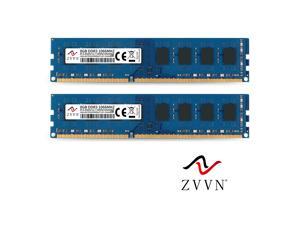
ZVVN 16GB Kit (2x 8GB) DDR3 1066 (PC3 8500) 240Pin PC DIMM RAM Computer Desktop ...
- CAS Latency: CL7
- Voltage: 1.50V
- Brand: ZVVN
- Capacity: 16GB (2 x 8GB)
- Speed: DDR3 1066 (PC3 8500)
- Color: Blue
- LED Color: None
- Model #: 3U8L10C7ZV02
- Item #: 9SIV44PEUC1193
- Return Policy: ZVVN Official Store(US) Return Policy


4GB Samsung DDR4-2400MHz Non-ECC 288pin Memory M378A5244CB0-CRC
- CAS Latency: CL17
- Voltage: 1.20V
- Brand: SAMSUNG-Semiconductor
- Capacity: 4GB
- Speed: DDR4 2400 (PC4 19200)
- Buffered/Registered: Unbuffered
- Model #: M378A5244CB0-CRC
- Item #: 9SIV1JT78G1608
- Return Policy: MemoryMasters Return Policy
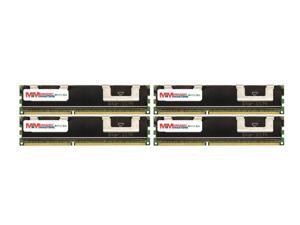
MemoryMasters 32GB (4x 8GB) DDR3 PC3-12800 1600MHz DIMM with Black Heatspreaders ...
- Model #: M-M-3635 B008MZB0MM
- Item #: 9SIV1JTB292140
- Return Policy: MemoryMasters Return Policy
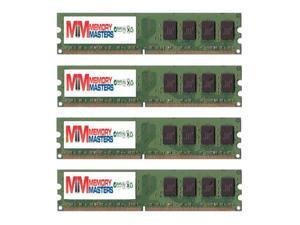
MemoryMasters 8GB ( 4 x 2GB ) DDR2 DIMM (240 PIN) AM2 667Mhz PC2 5400 / PC2 5300 ...
- Model #: M-M-2474 B0032CP3EQ
- Item #: 9SIV1JTB292320
- Return Policy: MemoryMasters Return Policy
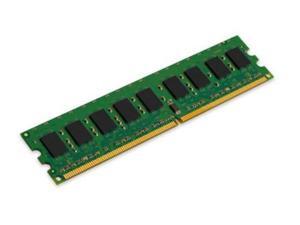
Kingston ValueRAM 2GB 800MHz DDR2 ECC CL6 DIMM Desktop Memory
- Model #: KVR800D2E6S/2G
- Item #: 9SIV1JT7AH4445
- Return Policy: MemoryMasters Return Policy
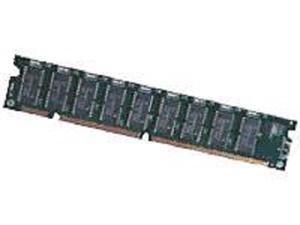
Kingston KVR100X64C2/128 128MB PC100 100MHz Non-ECC CL2 ValueRam Module
- Model #: KVR100X64C2/128-A
- Item #: 9SIV1JT7F37677
- Return Policy: MemoryMasters Return Policy
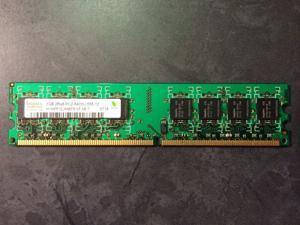
(HYMP512U64CP8-S6)1GB 2Rx8 PC2-6400U
- Model #: HYMP512U64CP8-S6
- Item #: 9SIV1W8GZR7742
- Return Policy: The Best Part Inc. Return Policy
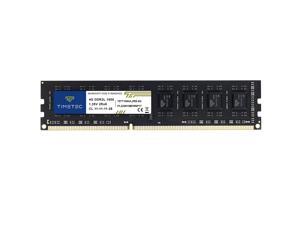

Timetec 4GB DDR3L / DDR3 1600MHz PC3L-12800 / PC3-12800 Non-ECC Unbuffered 1.35V / ...
- Voltage: 1.35V
- Brand: Timetec
- Capacity: 4GB
- Speed: DDR3L 1600 (PC3L 12800)
- Color: Black PCB
- Model #: MR-H4GD316U7D
- Item #: 9SIV2YMB559982
- Return Policy: Timetec International Inc. Return Policy
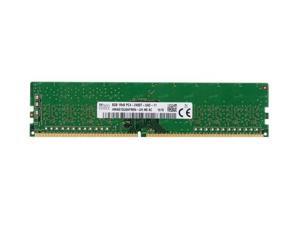

8GB DDR4 2666MHz PC4-21300 CL19 ECC Registered 288pin Hynix Memory ...
- CAS Latency: CL19
- Model #: HMA81GR7AFR8N-VK
- Item #: 9SIV1JT71E0747
- Return Policy: MemoryMasters Return Policy
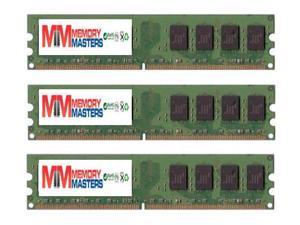
MemoryMasters 6GB ( 3 x 2GB ) DDR2 DIMM (240 PIN) AM2 667Mhz PC2 5400 / PC2 5300 ...
- Model #: M-M-3703 B0032CR0X8
- Item #: 9SIV1JTB292028
- Return Policy: MemoryMasters Return Policy
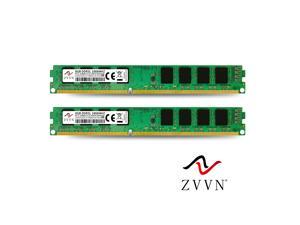
ZVVN 16GB Kit (2x 8GB) DDR3L 1866 (PC3L 14900) 240Pin Desktop DIMM RAM 1.35V ...
- CAS Latency: CL10
- Voltage: 1.35V
- Brand: ZVVN
- Capacity: 16GB (2 x 8GB)
- Speed: DDR3L 1866 (PC3L 14900)
- Color: Green
- LED Color: None
- Model #: 3U8E18C10ZV02-XL
- Item #: 9SIV44PEUC1170
- Return Policy: ZVVN Official Store(US) Return Policy
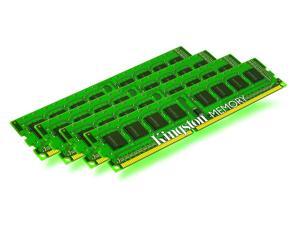
Kingston 2 GB DDR3 SDRAM Memory Module 2 GB (1 x 2 GB) 1333MHz DDR31333/PC310600 ...
- Model #: KTH9600OOB/2G
- Item #: 9SIV1JT7AH4298
- Return Policy: MemoryMasters Return Policy

SAMSUNG 4G 288Pin DDR4 SDRAM 1Rx8 DDR4 2133 (PC4 17000) Desktop Ram Memory
- Voltage: 1.20V
- Model #: M378A5143EB1-CPB
- Item #: 9SIV1JT7AH4475
- Return Policy: MemoryMasters Return Policy
Kingston Technology ValueRAM 512 MB Desktop Memory Single (Not a kit) DDR 266 MHz (PC ...
- Model #: KVR26672C25/512-00
- Item #: 9SIV1JT7F37691
- Return Policy: MemoryMasters Return Policy
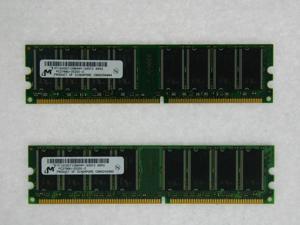
MT16VDDT12864AY-335F2 2GB 2X1GB PC2700 DDR333 Non-Ecc Low Density DDR1 184-pin
- Model #: a3d-537149000151151
- Item #: 9SIV1JT8TY3976
- Return Policy: MemoryMasters Return Policy
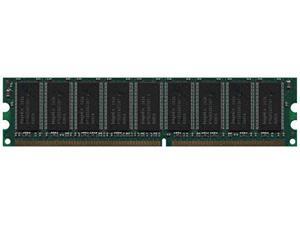
MemoryMasters 512MB 184-pin PC3200 CL3 8c 64x8 DDR DIMM (p/n AEG)
- CAS Latency: CL3
- Model #: MM-S493B01ATXPTDK
- Item #: 9SIV1JT8S04879
- Return Policy: MemoryMasters Return Policy
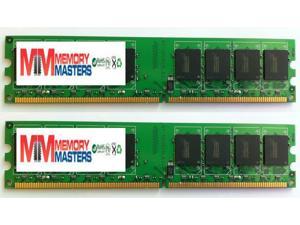
MemoryMasters 4GB ( 2 x 2GB ) DDR2 DIMM (240 PIN) AM2 667Mhz PC2 5400 / PC2 5300, ...
- Model #: M-M-3738 B0032CQZS4
- Item #: 9SIV1JTB291950
- Return Policy: MemoryMasters Return Policy
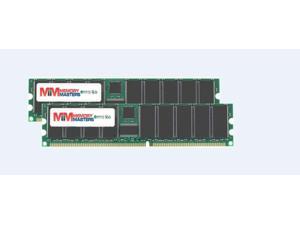
MemoryMasters Crucial 2 GB Kit (2 x 1GB) DDR PC3200 UNBUFFERED NON-ECC 184-PIN DIMM
- Model #: MM-I374B0009PAYY8
- Item #: 9SIV1JT8S03908
- Return Policy: MemoryMasters Return Policy
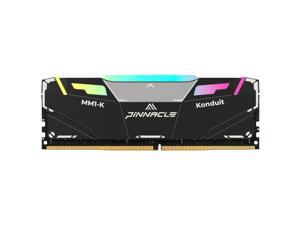
Timetec Pinnacle Konduit RGB 16GB DDR4 3200MHz PC4-25600 CL16-18-18-38 XMP2.0 ...
- Model #: PKMD4U3200C16CHB16G
- Item #: 9SIV2YMJ1M2693
- Return Policy: Timetec International Inc. Return Policy
MemoryMasters 4GB ( 2 x 2GB ) DDR2 DIMM (240 PIN) AM2 800Mhz PC2 6400 / PC2 6300 , ...
- Model #: M-M-2413 B0032CP6BG
- Item #: 9SIV1JTB292430
- Return Policy: MemoryMasters Return Policy
MemoryMasters 4GB ( 2 x 2GB ) DDR2 DIMM (240 PIN) AM2 800Mhz PC2 6400 / PC2 6300 ...
- Model #: M-M-1532 B0032CHOY8
- Item #: 9SIV1JTB292836
- Return Policy: MemoryMasters Return Policy
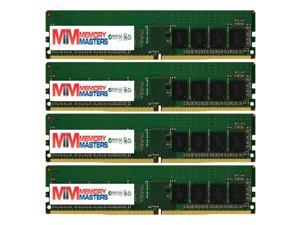
MemoryMasters 8GB ( 4 x 2GB ) DDR2 DIMM (240 PIN) AM2 667Mhz PC2 5400 / PC2 5300 ...
- Model #: M-M-3798 B0032CQXD6
- Item #: 9SIV1JTB291909
- Return Policy: MemoryMasters Return Policy
MemoryMasters New! 2GB Module PC3-10600 1333MHZ DDR3 240pin DESKTOP MEMORY
- Model #: M-M-1788 B00KFNGY84
- Item #: 9SIV1JTB292605
- Return Policy: MemoryMasters Return Policy
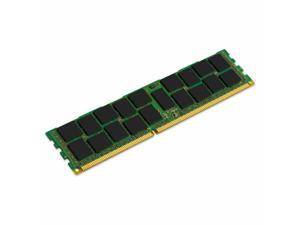
Kingston Technology Value RAM 8GB 1333MHz DDR3 PC3 10666 ECC CL9 DIMM DR x 8 with TS ...
- Model #: 0CI-00CI4Y1RO
- Item #: 9SIV1JT6X44336
- Return Policy: MemoryMasters Return Policy
Common Questions about Desktop Memory
Introduction
For a sluggish or underperforming desktop computer, a PC memory upgrade is often an effective way to increase performance. However, choosing the right desktop memory upgrade is not always easy. If you are looking for desktop memory, the memory finder tool is an excellent resource. In the next section, NeweggBusiness answers several of the most common questions about upgrading PC memory.
Questions
Why does PC memory have MHz ratings and what do they mean?
The MHz rating for PC memory is an indication of how quickly it can transfer data. The higher the MHz rating, the quicker the memory can transfer data. However, the transfer speed is bottlenecked by the motherboard and processor. If a stick of memory is rated at 1600 MHz but the processor and motherboard are limited to 1333 MHz, the memory will operate at the slower speed.
What does latency or timing mean for PC memory?
PC memory timings are performance measurements based around four parameters. These four ratings are written as four numbers separated by dashes, such as 7-8-7-24. It is better to have lower timings, as that means less latency. You should prioritize having lower latencies over faster MHz ratings.
What does memory voltage mean?
In order for PC memory modules to achieve their rated timings, they must operate at indicated voltages. If the memory modules are ran either under or over-voltage, there will be a risk of system instability and damage to the memory. However, increasing memory voltage can also lower timings for slightly faster performance.
Are there any advantages to multi-channel memory kits?
Multi-module PC memory upgrades are often marketed as dual-channel, triple-channel, or quad-channel. Known as matched memory, they are designed to work in conjunction for slightly increased performance. However, the motherboard must support multi-channel memory for there to be any benefit.
For example, if you have a motherboard that supports dual-channel memory, utilizing a matched 8 GB (2 x 4 GB) memory upgrade kit will net slightly better performance gains than two unmatched 4 GB memory sticks.
Can I use different memory brands, capacities, and speeds in the same computer?
Yes, you can use PC memory modules from different brands, with different capacities, and different speeds in the same computer. However, there will be no multi-channel performance gains because they will not be matched sets of memory. In addition, if the PC memory modules have different speeds, they will all run at the speed of the slowest module.
Are there limitations on how much memory I can install?
Yes, there are several limiting factors on how much memory you can install into one system. Most desktop motherboards only accommodate up to four unbuffered memory modules. On top of that, the largest capacity for a single unbuffered memory module is 8 GB. So the maximum amount of memory based on hardware limitations is 64 GB for unbuffered memory.
Another limitation on the benefits of additional PC memory is the operating system. An operating system can only utilize a limited amount of memory, and any extra memory past that amount will not be recognized. For example, Windows® 8 64-bit supports a maximum of 128 GB of PC memory while Windows 8 32-bit supports up to 4 GB. Past those maximums, any extra PC memory will not be recognized.