
Intel Motherboards - Showing 553 - 576 of 1783 Products


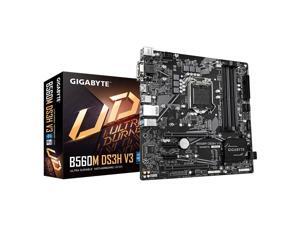

Gigabyte motherboard B560M DS3H V3 DDR4 LGA 1200 Micro ATX HDMI
- CPU Type: Intel Core 11th Gen (LGA 1200)
- Model #: 1.B560M DS3H V3
- Item #: 9SIVS10KUN3642
- Return Policy: Yongrui electronic Commerce Co., Limited Return Policy
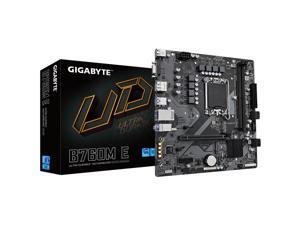
GIGABYTE Motherboard B760M E 2 DDR5 DP HDMI VGA 1GbE lan LGA1700 Micro ATX
- Model #: 1.B760M E
- Item #: 9SIV296KSW7280
- Return Policy: Slava Computers Return Policy
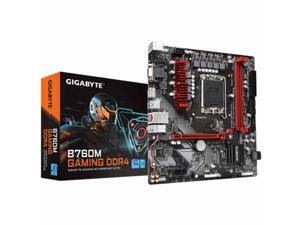
GIGABYTE B760M GAMING DDR4 Motherboard(Intel®LGA 1700/Smart Fan 6/Q-Flash ...
- CPU Type: Intel Core 13th Gen (LGA 1700)
- Model #: GIGABYTE B760M GAMING DDR4
- Item #: 9SIV296K0G3086
- Return Policy: Slava Computers Return Policy
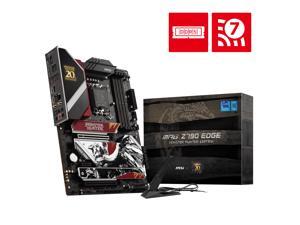

MSI MPG Z790 EDGE MONSTER HUNTER EDITION Wi-Fi 7 Solution LGA 1700 Intel Z790 4x DDR5 ...
- Memory Standard: Memory Support 7800+(OC)/ 7600(OC)/ 7400(OC)/ 7200(OC)/ 7000(OC)/ 6800(OC)/ 6600(OC)/ 6400(OC)/ 6200(OC)/ 6000(OC)/ 5800(OC)/ 5600(JEDEC)/ 5400(JEDEC)/ 5200(JEDEC)/ 5000(JEDEC)/ 4800(JEDEC) MHz Max. overclocking frequency: • 1DPC 1R Max speed up to 7800+ MHz • 1DPC 2R Max speed up to 6600+ MHz • 2DPC 1R Max speed up to 6400+ MHz • 2DPC 2R Max speed up to 5600+ MHz Supports Intel® XMP3.0 OC Supports Dual-Controller Dual-Channel mode Supports non-ECC, un-buffered memory
- Number of Memory Slots: 4x DDR5 UDIMM, Maximum Memory Capacity 256GB
- PCI Express x16: 2x PCI-E x16 slot 1x PCI-E x1 slot PCI_E1 Gen PCIe 5.0 supports up to x16 (From CPU) PCI_E2 Gen PCIe 3.0 supports up to x1 (From Chipset) PCI_E3 Gen PCIe 4.0 supports up to x4 (From Chipset)
- Brand: MSI
- CPU Socket Type: LGA 1700
- Chipset: Int...
- Model #: MPG Z790 EDGE MONSTER HUNTER EDITION
- Item #: 9SIV296KD71639
- Return Policy: Slava Computers Return Policy
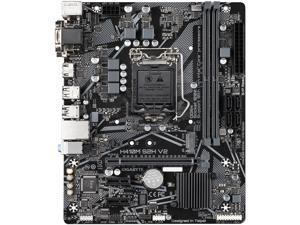
GIGABYTE H410M S2H V2 LGA 1200 Intel H470 Micro-ATX Motherboard with M.2, SATA 6Gb/s, ...
- Memory Standard: DDR4 2933 / 2666 / 2400 / 2133 (Intel Core i9 / i7 processors) DDR4 2666 / 2400 / 2133 (Intel Core i5 / i3 / Pentium / Celeron processors)
- Number of Memory Slots: 2x288pin (DDR4)
- Audio Chipset: Realtek Audio CODEC
- Brand: GIGABYTE
- CPU Socket Type: LGA 1200
- Chipset: Intel H470
- Form Factor: Micro ATX
- Serial ATA (SATA): 4 x SATA 6Gb/s
- Model #: H410M S2H V2
- Item #: 9SIV296JYJ1106
- Return Policy: Slava Computers Return Policy

Gigabyte X299 UD4 Pro LGA2066 Motherboard PCI Express 3.0 X16 ATX DDR4 DIMM
- CPU Type: Intel Core 10th Gen (LGA 2066)
- Model #: 2. Gigabyte X299 UD4 Pro
- Item #: 9SIV296K301893
- Return Policy: Slava Computers Return Policy

ASUS ROG STRIX B760-G GAMING WIFI DDR5 Gaming Motherboard(Intel LGA1700 mATX ...
- CPU Type: Intel Core 13th Gen (LGA 1700)
- Model #: BEASUS ROG STRIX B760-G GAMING WIFI D5
- Item #: 9SIV296K768580
- Return Policy: Slava Computers Return Policy
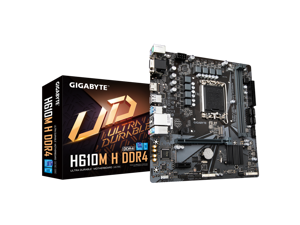
Gigabyte H610M H DDR4 Motherboard CPU SOCKET LGA1700 Intel HDMI VGA GbE LAN
- CPU Type: Intel Core 13th Gen (LGA 1700)
- Model #: H610M H
- Item #: 9SIV296JTY2166
- Return Policy: Slava Computers Return Policy
Gigabyte B760M AORUS ELITE WIFI6E GEN5 1700 DDR5 Micro ATX SATA3 Motherboard
- Model #: B760M AORUS ELITE WIFI6E GEN5
- Item #: 9SIV296KTX9684
- Return Policy: Slava Computers Return Policy
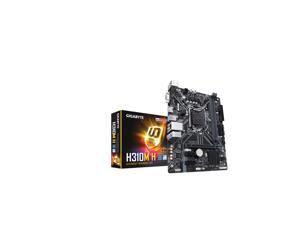
Gigabyte motherboard H310M H DDR4 Micro ATX LGA 1151 VGA HDMI
- CPU Type: Intel Core 9th Gen (LGA 1151)
- Model #: 1.H310M H
- Item #: 9SIV296KBA5995
- Return Policy: Slava Computers Return Policy

Gigabyte Motherboard B760M H DDR4 LGA 1700 Micro ATX SATA3 M.2 PCIe HDMI VGA
- Model #: B760M H DDR4
- Item #: 9SIVS10KU93099
- Return Policy: Yongrui electronic Commerce Co., Limited Return Policy
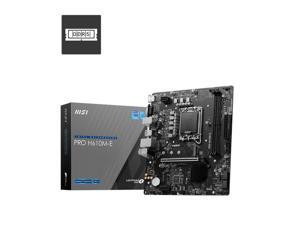
MSI PRO H610M-E DDR5 Motherboard CPU SOCKET LGA1700 Intel HDMI VGA 1Gbps LAN
- Model #: 1.MSI PRO H610M-E
- Item #: 9SIV296KT07587
- Return Policy: Slava Computers Return Policy
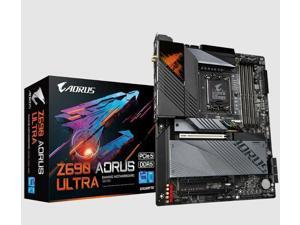
Gigabyte Z690 AORUS ULTRA Motherboard CPU SOCKET LGA1700 ATX Intel DDR5 WIFI 6
- Model #: 1.Z690 AORUS ULTRA
- Item #: 9SIV296K3W6186
- Return Policy: Slava Computers Return Policy
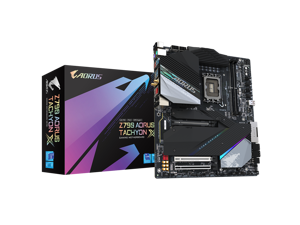
GIGABYTE Z790 AORUS TACHYON X LGA 1700 Intel Z790 EATX Motherboard with DDR5, ...
- Memory Standard: Support for DDR5 8700(O.C) / 8333(O.C) / 8000(O.C) / 7950(O.C) / 7900(O.C) / 7800(O.C) / 7600(O.C.) / 7400(O.C.) / 7200(O.C.) / 7000(O.C.) / 6800(O.C.) / 6600(O.C.) / 6400(O.C.) / 6200(O.C.) / 6000(O.C.) / 5800(O.C.) / 5600(O.C.) / 5400(O.C.) / 5200(O.C.) / 4800 / 4000 memory modules
- Number of Memory Slots: 2x288pin (DDR5)
- Audio Chipset: Realtek ALC1220-VB CODEC * The back panel line out jack supports DSD audio. Support for DTS:X Ultra High Definition Audio 2/4/5.1/7.1-channel Support for S/PDIF Out
- Brand: GIGABYTE
- CPU Socket Type: LGA 1700
- Chipset: Intel Z790
- Form Factor: Extended ATX
- Serial ATA (SATA): 4 x SATA 6Gb/s
- Model #: Z790 AORUS TACHYON X
- Item #: 9SIV296KB70687
- Return Policy: Slava Computers Return Policy
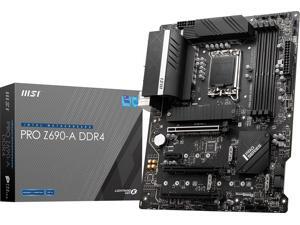
MSI PRO Z690-A DDR4 ProSeries Motherboard (ATX, 12th Gen Intel Core, LGA 1700 Socket, ...
- Model #: 954628757191
- Item #: 9SIVS10KS87077
- Return Policy: Yongrui electronic Commerce Co., Limited Return Policy
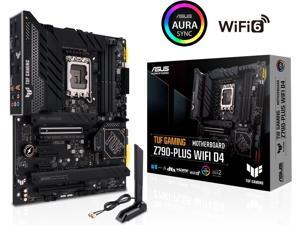
ASUS TUF Gaming Z790-Plus WiFi D4 LGA 1700(Intel14th & 13th &12th Gen) ATX gaming ...
- Memory Standard: DDR4:5333(OC)/5133(OC)/5066(OC)/ 5000(OC)/4800(OC)/4700(OC)/4600(OC)/4500(OC)/4400(OC)/4266(OC)/4133Non-ECC, Un-buffered Memory* Dual Channel Memory Architecture Supports Intel® Extreme Memory Profile (XMP) OptiMem II * Supported memory types, data rate(Speed), and number of DRAM modules vary depending on the CPU and memory configuration, for more information refer to www.asus.com for memory support list.
- Number of Memory Slots: 4x288pin (DDR4)
- Audio Chipset: Realtek S1220A 7.1 Surround Sound High Definition Audio CODEC* - Impedance sense for front and rear headphone outputs - Internal audio Amplifier to enhance the highest quality sound for headphone and speakers - Supports: Jack-detection, Multi-streaming, Front Panel Jack-retasking - High quality 120 dB SNR stereo playback output and 113 dB SNR recording input (Line-in) - Supports...
- Model #: TUF Gaming Z790-Plus WiFi D4 LGA
- Item #: 9SIVS10KU52602
- Return Policy: Yongrui electronic Commerce Co., Limited Return Policy
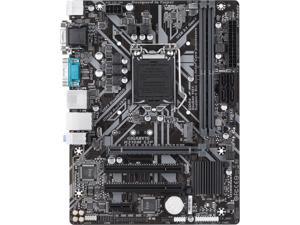
GIGABYTE H310M S2P LGA 1151 (300 Series) Intel H310 HDMI USB 3.1 Micro ATX Intel ...
- Memory Standard: DDR4 2666/ 2400/ 2133 * To support 2666 MHz or XMP memory, you must install an 8th Generation Intel Core i7/i5 processor.
- Number of Memory Slots: 2x288pin (DDR4)
- Audio Chipset: Realtek ALC887
- Brand: GIGABYTE
- CPU Socket Type: LGA 1151 (300 Series)
- Chipset: Intel H310
- Form Factor: Micro ATX
- Serial ATA (SATA): 4 x SATA 6Gb/s
- Model #: H310M S2P
- Item #: 9SIVS10KU80085
- Return Policy: Yongrui electronic Commerce Co., Limited Return Policy

ASUS ROG STRIX Z690-E GAMING WIFI LGA 1700 Intel Z690 SATA 6Gb/s ATX Intel ...
- Memory Standard: DDR5 6400(OC) / 6200(OC) / 6000(OC) / 5800(OC) / 5600(OC) / 5400(OC) / 5200(OC) / 5000(OC) / 4800 * Supported memory types, data rate(Speed), and number of DRAM module vary depending on the CPU and memory configuration, for more information refer to www.asus.com for memory support list.
- Number of Memory Slots: 4x288pin (DDR5)
- Audio Chipset: ROG SupremeFX 7.1 Surround Sound High Definition Audio CODEC ALC4080
- Brand: ASUS
- CPU Socket Type: LGA 1700 * Designed with dual mounting holes compatible with both Intel LGA1700 and LGA1200 cooling brackets.
- Chipset: Intel Z690
- Form Factor: ATX
- Serial ATA (SATA): 6 x SATA 6Gb/s * RAID configuration and boot drives are not supported on the SATA6G_E1-2 ports.
- Model #: ROG STRIX Z690-E GAMING WIFI
- Item #: 9SIVS10KU53306
- Return Policy: Yongrui electronic Commerce Co., Limited Return Policy
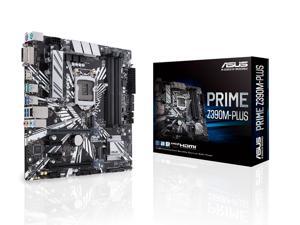
ASUS PRIME Z390M-PLUS LGA 1151 Intel Z390 HDMI SATA 6Gb/s USB 3.0 Micro ATX Intel ...
- Memory Standard: 4266(O.C.)/4133(O.C.)/4000(O.C.)/ 3866(O.C.)/3733(O.C.)/3600(O.C.)/3466(O.C.)/3400(O.C.)/3333(O.C.)/MHz Non-ECC, Un-buffered Memory
- Number of Memory Slots: 4x288pin (DDR4)
- Audio Chipset: Realtek ALC887
- Brand: ASUS
- CPU Socket Type: LGA 1151
- Chipset: Intel Z390
- Form Factor: Micro ATX
- Serial ATA (SATA): 4 x SATA 6Gb/s
- Model #: PRIME Z390M-PLUS
- Item #: 9SIVS10KUH1530
- Return Policy: Yongrui electronic Commerce Co., Limited Return Policy
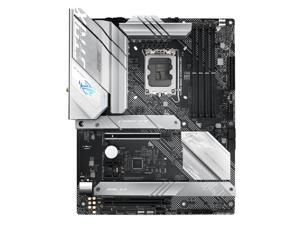
ASUS ROG Strix B660-A Gaming WiFi DDR5 LGA 1700(Intel 12th Gen) ATX Gaming ...
- CPU Type: Intel Core 12th Gen (LGA 1700)
- Model #: BE-ASUS ROG Strix B660-A Gaming WiFi D5
- Item #: 9SIVS10KU52719
- Return Policy: Yongrui electronic Commerce Co., Limited Return Policy
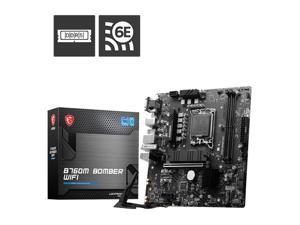
MSI B760M BOMBER WIFI motherboard Supports 12th/13th Gen Intel® Core Processors, ...
- Model #: MSI B760M BOMBER WIFI
- Item #: 9SIVS10KU73599
- Return Policy: Yongrui electronic Commerce Co., Limited Return Policy
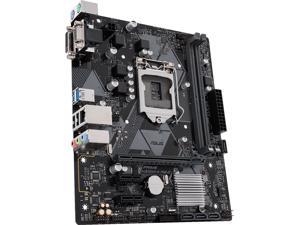
ASUS PRIME H310M-K R2.0 (90MB0Z30-M0EAY0) LGA 1151 (300 Series) Intel H310 SATA ...
- Memory Standard: DDR4 2666 / 2400 / 2133* * Refer to www.asus.com for the Memory QVL (Qualified Vendors Lists). * The maximum memory frequency supported varies by processor. * DDR4 2666 and higher memory modules will run at max. 2666 on Intel 8th Gen. 6-core or higher processors.
- Number of Memory Slots: 2x288pin (DDR4)
- Audio Chipset: Realtek ALC887/897
- Brand: ASUS
- CPU Socket Type: LGA 1151 (300 Series)
- Chipset: Intel H310
- Form Factor: Micro ATX
- Serial ATA (SATA): 4 x SATA 6Gb/s
- Model #: 90MB0Z30-M0EAY0
- Item #: 9SIVS10KU53322
- Return Policy: Yongrui electronic Commerce Co., Limited Return Policy
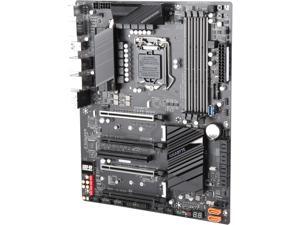
GIGABYTE C246-WU4 LGA 1151 (300 Series) Intel C246 ATX Intel Motherboard
- Memory Standard: DDR4 2666/ 2400/ 2133
- Number of Memory Slots: 4x288pin (DDR4)
- Audio Chipset: Realtek ALC1220-VB codec * The back panel line out jack supports DSD audio.
- Brand: GIGABYTE
- CPU Socket Type: LGA 1151 (300 Series)
- Chipset: Intel C246
- Form Factor: ATX
- Serial ATA (SATA): Chipset: 8 x SATA 6Gb/s connectors (SATA3 0~7) Support for RAID 0, RAID 1, RAID 5, and RAID 10 ASMedia ASM1061 chip: 2 x SATA 6Gb/s connectors (GSATA3 0~1), supporting AHCI mode only
- Model #: C246-WU4
- Item #: 9SIVS10KU93465
- Return Policy: Yongrui electronic Commerce Co., Limited Return Policy
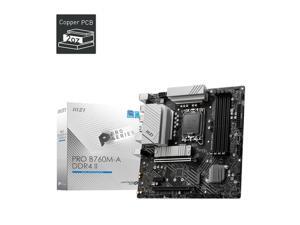
MSI PRO B760M-A DDR4 II LGA 1700 Intel B750 SATA 6Gb/s mATX Motherboard
- Model #: B760M-A DDR4 II
- Item #: 9SIVS10KU54569
- Return Policy: Yongrui electronic Commerce Co., Limited Return Policy
Intel Motherboard Questions and Answers
Introduction
A compatible Intel® motherboard is an essential component when assembling a desktop with an Intel processor. The motherboard determines what type of processor you can use, how many data storage drives you can install, the maximum amount of system memory supported, and more. To help you find the ideal Intel motherboard for your desktop build, NeweggBusiness answers several common questions about motherboards.
Questions
What is a motherboard chipset?
A motherboard chipset is a collection of components on the motherboard designed to integrate the processor with the rest of the system hardware. The chipset has a major impact on overall system performance and device compatibility. For each family of Intel processors, a different chipset is typically used. When shopping for an Intel motherboard, you will have to ensure that its chipset is compatible with the processor you intend to use.
What does CPU socket type mean?
The CPU socket is the component on the motherboard that holds and locks the processor in place. In order for a processor to be installed onto a motherboard, they both must have the same socket type. For example, an LGA 1150 processor can only be installed onto an Intel motherboard with a LGA 1150 socket.
However, having the same socket type does not necessarily mean that the processor and motherboard are compatible. Sometimes, multiple generations of processors can have the same socket type but use different chipsets.
What is the difference between PCI and PCIe®?
Both PCI and PCIe are computer expansion card standards that are used by devices such as video cards, sound cards, network adapters, and more. PCIe is a newer standard designed to replace PCI and is not backwards compatible. It is capable of faster data transfer rates, which allows for better performance from expansion cards.
Many ATX form factor Intel motherboards will have a combination of both PCI and PCIe expansion slots. Unfortunately, some motherboards—mainly small form factor motherboards such as Mini ITX—only have one PCIe slot due to space limitations.
What is BIOS?
It is an acronym that stands for Basic Input/Output System and is the very first program that starts when a computer is powered on. Stored on the motherboard, BIOS is the intermediary that interconnects the components and launches the operating system. The interface for BIOS is rather limited because it is mainly text based with a small color palette. Many motherboards include BIOS, though there is now a transition to the newer Unified Extensible Firmware Interface (UEFI).
What is UEFI?
Like BIOS, UEFI is an intermediary for the main operating system and the hardware. It is designed to replace BIOS as the standard operating system included on AMD and Intel motherboards. Compared to BIOS, UEFI is much more user friendly and secure, supports larger hard drives, reduces startup times, and more. Many new Intel motherboards now include UEFI instead of BIOS, though such motherboards may sometimes be advertised as having UEFI BIOS.