
Desktop Internal Hard Drives - Showing 265 - 288 of 3928 Products


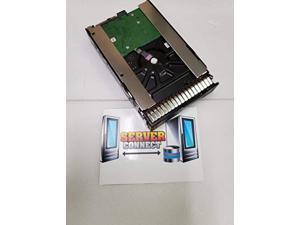
695507-008 HPE 4TB 7.2K 6G LFF SAS SC Hard Drive
- Model #: 695507-008New
- Item #: 9SIV16GKNT7975
- Return Policy: ATP Warehouse Return Policy
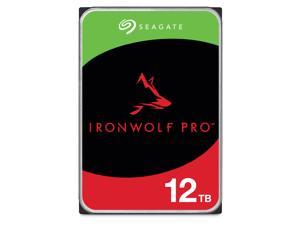

Seagate IronWolf Pro ST12000NT001 12TB 7200 RPM 256MB Cache SATA 6.0Gb/s 3.5" ...
- Brand: Seagate
- Series: IronWolf Pro
- Capacity: 12TB
- RPM: 7200 RPM
- Interface: SATA 6.0Gb/s
- Form Factor: 3.5"
- Cache: 256MB
- Recording Technology: CMR
- Model #: ST12000NT001
- Item #: 9SIVGWZKVW9103
- Return Policy: Lucky Store 4 You Return Policy
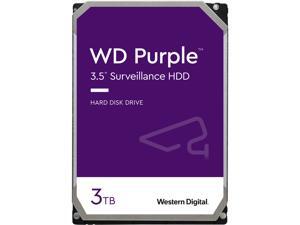

WD Purple 3TB Surveillance Hard Disk Drive - 5400 RPM Class SATA 6Gb/s 64MB Cache 3.5 Inch ...
- Brand: WD
- Series: Purple
- Capacity: 3TB
- RPM: 5400 RPM
- Interface: SATA 6.0Gb/s
- Form Factor: 3.5"
- Packaging: Bare Drive
- Cache: 64MB
- Model #: WD30PURZ
- Item #: 9SIV253KUX5958
- Return Policy: TechnoDeals USA Return Policy
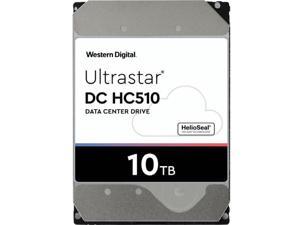
Western Digital Ultrastar DC 10TB 3.5" SATA 7200rpm Internal HDD HUH721010ALE604
- Model #: HUH721010ALE604
- Item #: 9SIV126K9J7007
- Return Policy: Brute Networks Return Policy
HP EG1200FDNJT 1.2TB 10K SAS Hard Drive 2.5 15
- Model #: EG1200FDNJTNew
- Item #: 9SIV126K9J7028
- Return Policy: Brute Networks Return Policy
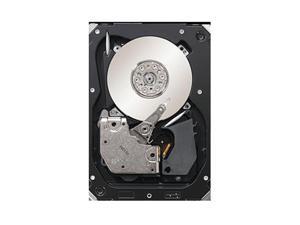
Seagate Cheetah NS.2 ST3450802SS 450GB 10000 RPM 16MB Cache SAS 6Gb/s 3.5" ...
- Brand: Seagate
- Series: Cheetah NS.2
- Capacity: 450GB
- RPM: 10000 RPM
- Interface: SAS 6Gb/s
- Form Factor: 3.5"
- Packaging: Bare Drive
- Cache: 16MB
- Model #: ST3450802SS
- Item #: 9SIV126K9J7418
- Return Policy: Brute Networks Return Policy

EG1200JETKC HPE 1.2TB 12G 10K SFF SAS SC Hard Drive
- Model #: EG1200JETKCNew
- Item #: 9SIV173KEJ8406
- Return Policy: Digitzy Return Policy
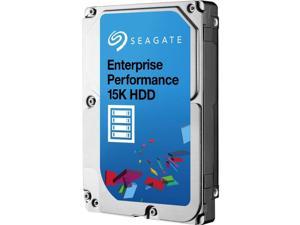
SEAGATE ST900MP0146 SEAGATE 900GB EXOS 15E900 HDD 4KN/512E SAS 2.5 15000 256MB
- Brand: PixiModo
- Capacity: 900GB
- RPM: 15000 RPM
- Interface: SAS 12Gb/s
- Form Factor: 3.5"
- Packaging: Bare Drive
- Cache: 256MB
- NAND Flash Memory Type: Hard Drive
- Model #: ST900MP0146
- Item #: 9SIV126K9J6931
- Return Policy: Brute Networks Return Policy
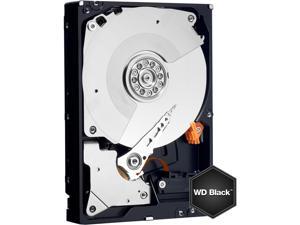
WD Caviar Black WD1002FAEX 1TB 7200 RPM 64MB Cache SATA 6.0Gb/s 3.5" Internal Hard ...
- Brand: WD
- Series: Caviar Black
- Capacity: 1TB
- RPM: 7200 RPM
- Interface: SATA 6.0Gb/s
- Form Factor: 3.5"
- Packaging: Bare Drive
- Cache: 64MB
- Model #: WD1002FAEX
- Item #: 9SIV126K9J7500
- Return Policy: Brute Networks Return Policy
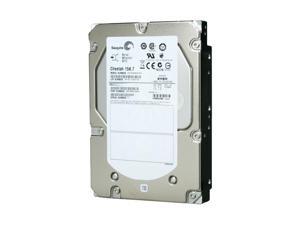
Seagate Cheetah 15K.7 ST3450857SS 450GB 15000 RPM 16MB Cache SAS 6Gb/s 3.5" ...
- Brand: Seagate
- Series: Cheetah 15K.7
- Capacity: 450GB
- RPM: 15000 RPM
- Interface: SAS 6Gb/s
- Form Factor: 3.5"
- Packaging: Bare Drive
- Cache: 16MB
- Model #: ST3450857SS
- Item #: 9SIV16GK258063
- Return Policy: ATP Warehouse Return Policy
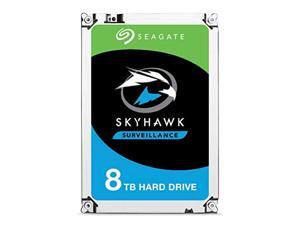
Seagate SkyHawk 8TB Surveillance Internal Hard Drive HDD - 3.5 Inch SATA 6Gb/s 256MB ...
- Model #: 763649998953
- Item #: 9SIV126K9J7221
- Return Policy: Brute Networks Return Policy

Seagate Exos 7E10 ST2000NM017B 2TB 7200 RPM 256MB Cache SATA 6.0Gb/s 3.5" Internal ...
- Average Latency: 4.16ms
- NAND Flash Memory Type: Hard Drive
- Height (maximum): 26.11mm
- Width (maximum): 101.85mm
- Length (maximum): 147.00mm
- Model #: ST2000NM017B
- Item #: 9SIV126K9J7386
- Return Policy: Brute Networks Return Policy
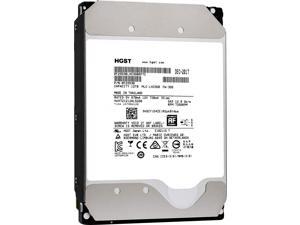
HGST Ultrastar DC HC520 HDD 12TB 7200 RPM SAS 12Gb/s Interface 3.5-Inch 512e ISE ...
- Model #: R902638435042C
- Item #: 9SIV126K9J6873
- Return Policy: Brute Networks Return Policy
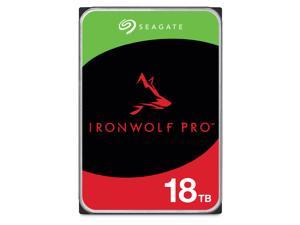
Seagate IronWolf Pro ST18000NT001 18TB 7200 RPM 256MB Cache SATA 6.0Gb/s 3.5" ...
- Brand: Seagate
- Series: IronWolf Pro
- Capacity: 18TB
- RPM: 7200 RPM
- Interface: SATA 6.0Gb/s
- Form Factor: 3.5"
- Cache: 256MB
- Recording Technology: CMR
- Model #: ST18000NT001
- Item #: 9SIV126K9J6883
- Return Policy: Brute Networks Return Policy
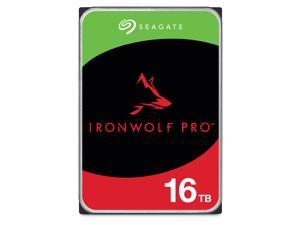
Seagate IronWolf Pro ST16000NT001 16TB 7200 RPM 256MB Cache 3.5" Internal Hard Drive - ...
- Brand: Seagate
- Series: IronWolf Pro
- Capacity: 16TB
- RPM: 7200 RPM
- Interface: SATA 6.0Gb/s
- Form Factor: 3.5"
- Packaging: Bare Drive
- Cache: 256MB
- Model #: ST16000NT001
- Item #: 9SIV126K9J6877
- Return Policy: Brute Networks Return Policy
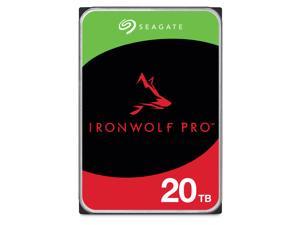
Seagate IronWolf Pro ST20000NT001 20TB 7200 RPM 256MB Cache SATA 6.0Gb/s 3.5" ...
- Brand: Seagate
- Series: IronWolf Pro
- Capacity: 20TB
- RPM: 7200 RPM
- Interface: SATA 6.0Gb/s
- Form Factor: 3.5"
- Cache: 256MB
- Recording Technology: CMR
- Model #: ST20000NT001
- Item #: 9SIV126K9J6865
- Return Policy: Brute Networks Return Policy

Seagate ST4000NC001 4TB 5900 RPM 64MB Cache SATA 6.0Gb/s 3.5" Terascale Hard Drive ...
- Average Latency: 5.1ms
- Model #: ST4000NC001
- Item #: 9SIV0AHCZN3859
- Return Policy: Best Hdd Inc Return Policy
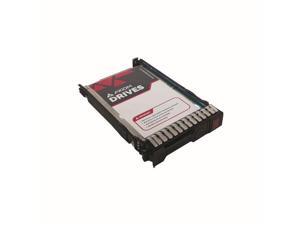
Axiom 861594-B21-AX Enterprise - Hard Drive - 8 Tb - Hot-Swap - 3.5 Inch Lff - Sata 6Gb/S - ...
- Model #: 861594-B21-AX
- Item #: 9SIV126K9J7193
- Return Policy: Brute Networks Return Policy
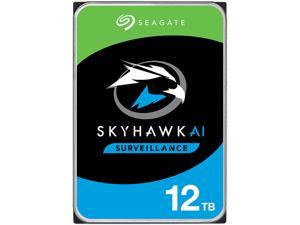
Seagate SkyHawk AI ST12000VE001 12TB 7200 RPM 256MB Cache SATA 6.0Gb/s 3.5" ...
- Brand: Seagate
- Series: SkyHawk AI
- Capacity: 12TB
- RPM: 7200 RPM
- Interface: SATA 6.0Gb/s
- Form Factor: 3.5"
- Packaging: Bare Drive
- Cache: 256MB
- Model #: ST12000VE001
- Item #: 9SIV126K9J7252
- Return Policy: Brute Networks Return Policy

Seagate Exos X10 10TB 512e SATA 6Gb/s 7200RPM 3.5-Inch Enterprise HDD ...
- Brand: Seagate
- Series: Exos X10
- Capacity: 10TB
- RPM: 7200 RPM
- Interface: SATA 6.0Gb/s
- Form Factor: 3.5"
- Packaging: Bare Drive
- Cache: 256MB
- Model #: ST10000NM0086
- Item #: 9SIV126K9J7307
- Return Policy: Brute Networks Return Policy
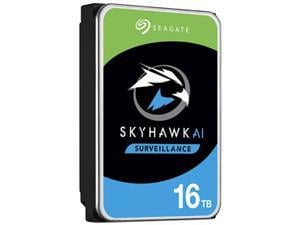
SKYHAWK AI 16TB SATA 256MB 35 7200RPM
- Brand: Seagate
- Series: SkyHawk AI
- Capacity: 16TB
- RPM: 7200 RPM
- Interface: SATA 6.0Gb/s
- Form Factor: 3.5"
- Packaging: Bare Drive
- Cache: 256MB
- Model #: ST16000VE002
- Item #: 9SIV126K9J7261
- Return Policy: Brute Networks Return Policy

Seagate Enterprise Capacity | ST10000NM0016 | 10TB 7200 RPM SATA 6.0Gb/s 256MB Cache ...
- Part Number: ST10000NM0016
- Model #: ST10000NM0016-0
- Item #: 9SIV126K9J7342
- Return Policy: Brute Networks Return Policy
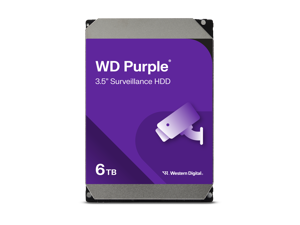
WD Purple 6TB Surveillance Hard Disk Drive - 5400 RPM Class SATA 6Gb/s 256MB Cache 3.5 ...
- Brand: WD
- Series: Purple
- Capacity: 6TB
- RPM: 5400 RPM
- Interface: SATA 6.0Gb/s
- Form Factor: 3.5"
- Cache: 256MB
- Recording Technology: CMR
- Model #: WD63PURZ
- Item #: 9SIV126K9J7285
- Return Policy: Brute Networks Return Policy
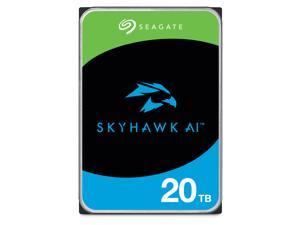
Seagate SkyHawk AI ST20000VE002 20TB 7200 RPM 256MB Cache SATA 6.0Gb/s 3.5" ...
- Brand: Seagate
- Series: SkyHawk AI
- Capacity: 20TB
- RPM: 7200 RPM
- Interface: SATA 6.0Gb/s
- Form Factor: 3.5"
- Cache: 256MB
- Recording Technology: CMR
- Model #: ST20000VE002
- Item #: 9SIV126K9J6875
- Return Policy: Brute Networks Return Policy
What You Need to Know About Desktop Hard Disk Drives
Introduction
Though SSDs are becoming increasingly more popular, hard disk drives (HDD) are still essential internal data storage solutions for users that prioritize storage capacity over speed. Compared to hard disk drives, SSDs cost more per gigabyte and have smaller storage capacities. A commonly used configuration is to have a solid state drive as the primary drive and a desktop hard disk drive as the secondary drive. Below, NeweggBusiness answers several common questions about desktop hard disk drives.
What does interface type mean?
A hard disk drive must be connected to a motherboard via data cable in order to function as a system drive. The type of data cable that a hard drive supports can affect both system compatibility and data transfer speeds. This is often referred to as connection or interface type, and it is an important factor when shopping for a HDD.
For desktop hard disk drives, one of the most commonly used interface types is SATA. There have been several revisions for the SATA standard and the two most recent are SATA 3 Gbps and SATA 6 Gbps. They are often stylized as SATA II and SATA III respectively.
What is seek time?
In order for data to be retrieved or written onto the hard disk, a read/write head must move to the correct position on the disk. This is not an instantaneous process and the time required for the head to move into position is referred to as seek time, which is rated in milliseconds.
Is it possible to use a desktop hard disk drive as an external HDD?
Adapting a desktop hard disk drive for external use is possible, though additional hard drive accessories are usually required. Three commonly used methods include, using an SATA to External SATA (eSATA™) cable, hard drive enclosure, or a hard disk drive dock.
What is the purpose of a hard disk drive’s S.M.A.R.T. feature?
Short for Self-mentoring, Analysis, and Reporting Technology, S.M.A.R.T. is a feature that allows hard disk drives to monitor and report on reliability indicators. This is done so that potential problems can be anticipated. To view the S.M.A.R.T. status of a hard disk drive, you will need to use a reporting tool.