
Desktop Internal Hard Drives - Showing 313 - 336 of 3930 Products


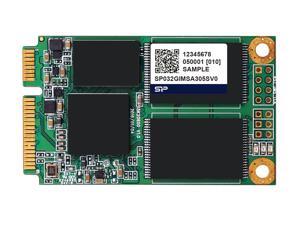

32GB Silicon Power MSA300SV MLC SATA3 mSATA Industrial Solid State Disk
- Model #: SP032GIMSA305SV0
- Item #: 9SIV04GK3W9984
- Return Policy: Hot Deals 4 Less Return Policy

64GB Silicon Power MSA305SV0 MLC SATA3 mSATA Industrial Solid State Disk
- Model #: SP064GIMSA305SV0
- Item #: 9SIV04GJXJ2048
- Return Policy: Hot Deals 4 Less Return Policy

2TB Transcend 410S NVMe PCIe 4.0 M.2 2242 Gen4 x4 Internal SSD
- Model #: TS2TMTE410S
- Item #: 9SIV04GKA45131
- Return Policy: Hot Deals 4 Less Return Policy
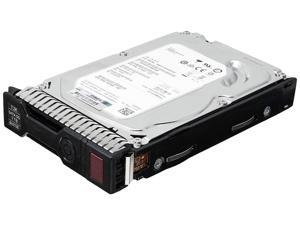

HPE - SERVER OPTIONS 861691-B21 1TB SATA 6G 7200 RPM 3.5IN LFF
- Brand: HEWLETT PACKARD ENTERPRISE
- Capacity: 1TB
- RPM: 7200 RPM
- Interface: SATA 6.0Gb/s
- Form Factor: 3.5"
- Packaging: Bare Drive
- Average Latency: 6Gb/s
- Model #: 861691-B21
- Item #: 9SIV04GJVC1768
- Return Policy: Hot Deals 4 Less Return Policy
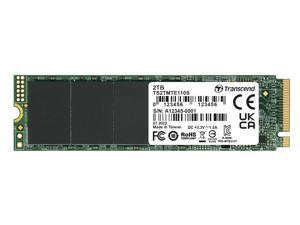
2TB Transcend 110S M.2 2280, NVMe PCIe Gen3x4 SSD
- Model #: TS2TMTE110S
- Item #: 9SIV04GK447532
- Return Policy: Hot Deals 4 Less Return Policy
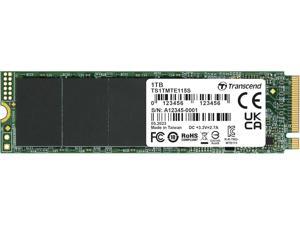
Transcend 1TB M.2 2280 SSD, Up to 3,200 MB/s, Compatible w/Ultrabook Laptop PC Desktop, ...
- Brand: Transcend
- Capacity: 1TB
- Model #: TS1TMTE115S
- Item #: 9SIV04GJW47815
- Return Policy: Hot Deals 4 Less Return Policy
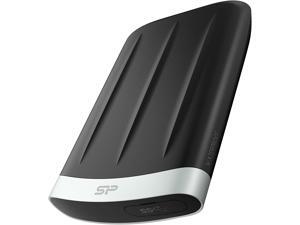
Silicon Power Armor A65B External Hard Drive 2000 GB Black,Grey Modle ...
- Part Number: SP-SP020TBPHD65BS3G
- Model #: SP020TBPHD65BS3G
- Item #: 9SIV04GJZS2574
- Return Policy: Hot Deals 4 Less Return Policy
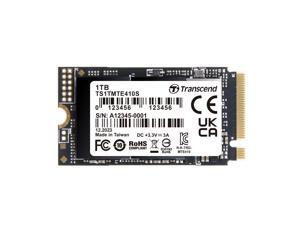
1TB Transcend 410S NVMe PCIe 4.0 M.2 2242 Gen4 x4 Internal SSD
- Model #: TS1TMTE410S
- Item #: 9SIV04GKA44862
- Return Policy: Hot Deals 4 Less Return Policy
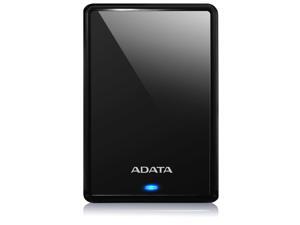

ADATA CLASSIC HDD HV620S 1TB BLACK
- Form Factor: 2.5"
- Dimensions: 0.80" x 3.20" x 4.80"
- Weight: 0.44 lb.
- Model #: AHV620S-1TU31-CBK
- Item #: 9SIV04GJVD1827
- Return Policy: Hot Deals 4 Less Return Policy
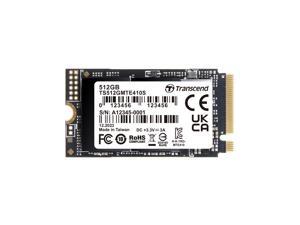
512GB Transcend 410S NVMe PCIe 4.0 M.2 2242 Gen4 x4 Internal SSD
- Model #: TS512GMTE410S
- Item #: 9SIV04GKA54479
- Return Policy: Hot Deals 4 Less Return Policy
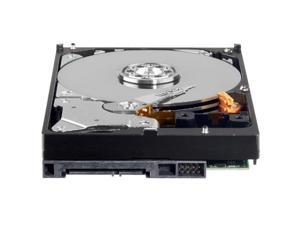

Western Digital, AV-GP 1TB 3.5" Internal Hard drive, SATA 6Gb/s (SATA 3) 64MB Cache
- Model #: DHWD10EURXSP
- Item #: 9SIV2G2JXE4815
- Return Policy: PremierSource Return Policy
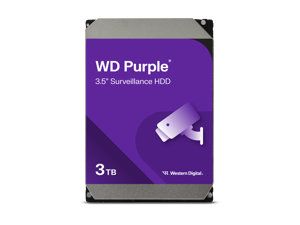
WD Purple WD33PURZ 3 TB Hard Drive 3.5" Internal SATA SATA/600 5400rpm
- Brand: WD
- Capacity: 3TB
- RPM: 5400 RPM
- Interface: SATA 6.0Gb/s
- Form Factor: 3.5"
- Cache: 256MB
- Usage: For Video Surveillance
- Model #: WD33PURZ
- Item #: 9SIA4N9JZT4863
- Return Policy: Platinum Micro Inc. Hard Drives Return Policy
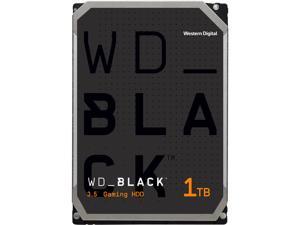
WD Black WD1003FZEX 1TB 7200 RPM 64MB Cache SATA 6.0Gb/s 3.5" Internal Hard Drive ...
- Brand: WD
- Series: Black
- Capacity: 1TB
- RPM: 7200 RPM
- Interface: SATA 6.0Gb/s
- Form Factor: 3.5"
- Packaging: Bare Drive
- Cache: 64MB
- Model #: WD1003FZEX
- Item #: 9SIV2G293W8921
- Return Policy: PremierSource Return Policy
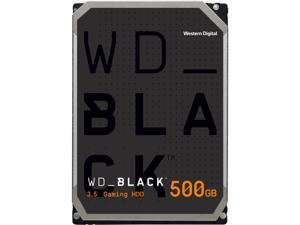
WD Black 500GB Performance Desktop Hard Disk Drive - 7200 RPM SATA 6Gb/s 64MB Cache ...
- Brand: WD
- Series: Black
- Capacity: 500GB
- RPM: 7200 RPM
- Interface: SATA 6.0Gb/s
- Form Factor: 3.5"
- Cache: 64MB
- NAND Flash Memory Type: Desktop
- Model #: WD5003AZEX
- Item #: 9SIV00C2Z03765
- Return Policy: Beach Audio Return Policy
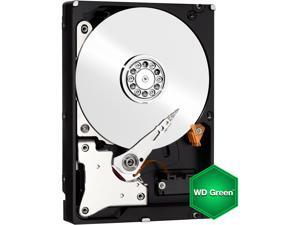
Western Digital WD Green WD20EZRX 2TB IntelliPower 64MB Cache SATA 6.0Gb/s 3.5" ...
- Brand: Western Digital
- Series: WD Green
- Capacity: 2TB
- RPM: IntelliPower
- Interface: SATA 6.0Gb/s
- Form Factor: 3.5"
- Packaging: Bare Drive
- Cache: 64MB
- Model #: WD20EZRX
- Item #: 9SIV253JHV1227
- Return Policy: TechnoDeals USA Return Policy
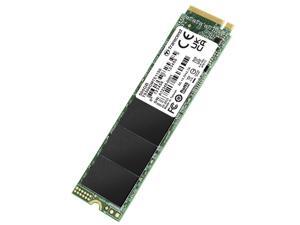
500GB Transcend PCIe SSD 115S NVMe M.2 2280 PCIe Gen3 x4 SSD
- Brand: Transcend
- Capacity: 500GB
- Model #: TS500GMTE115S
- Item #: 9SIV00CKGS3606
- Return Policy: Beach Audio Return Policy
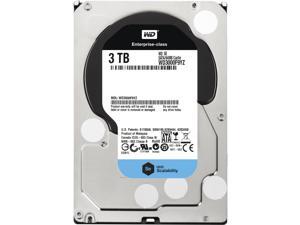
3tb Se Tr800m Sata 6g Single
- Brand: Western Digital
- Capacity: 3TB
- RPM: 7200 RPM
- Interface: SATA
- Cache: 64MB
- Features: Hard Drive
- Model #: DHWD3000F9YZSP
- Item #: 9SIV00CKW05454
- Return Policy: Beach Audio Return Policy
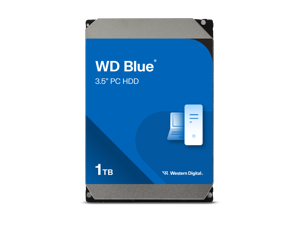
WD Blue 1TB Desktop Hard Disk Drive - 7200 RPM SATA 6Gb/s 64MB Cache 3.5 Inch - ...
- Brand: WD
- Series: Blue
- Capacity: 1TB
- RPM: 7200 RPM
- Interface: SATA 6.0Gb/s
- Form Factor: 3.5"
- Cache: 64MB
- Features: Tested For Compatibility We perform tests on hundreds of systems and a multitude of platforms in our F.I.T. Lab to give our customers confidence that our drives will work in their systems. Low Power Consumption State-of-the-art seeking algorithms and advanced power management features help ensure low power consumption. NoTouch Ramp Load Technology Safely positions the recording head off the disk surface to protect your data. Upgrading Your Drive is Easy Seamlessly migrate your current system to your new Western Digital drive using Acronis True Image WD Edition cloning software, available as a free download on the WD Support site. This software enables you to copy all your data to a...
- Model #: WD10EZEX
- Item #: 9SIV253G6S0367
- Return Policy: TechnoDeals USA Return Policy


Seagate Exos X12 12TB SAS 12Gb/s 3.5in Enterprise HDD ST12000NM0027 2A1201-001 OEM
- Brand: Seagate
- Capacity: 12TB
- RPM: 7200 RPM
- Interface: SAS 12Gb/s
- Form Factor: 3.5"
- Cache: 256MB
- Usage: For Enterprise Storage
- Model #: ST12000NM0027
- Item #: 9SIV0AHKKH5997
- Return Policy: Best Hdd Inc Return Policy

Seagate BarraCuda ST500DM009 500GB 7200 RPM 32MB Cache SATA 6.0Gb/s 3.5" Hard ...
- Brand: Seagate
- Series: BarraCuda
- Capacity: 500GB
- RPM: 7200 RPM
- Interface: SATA 6.0Gb/s
- Form Factor: 3.5"
- Packaging: Bare Drive
- Cache: 32MB
- Model #: ST500DM009
- Item #: 9SIV0AHAT55352
- Return Policy: Best Hdd Inc Return Policy
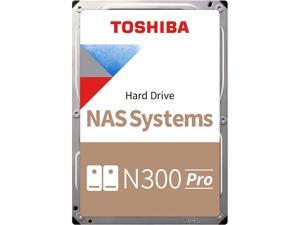
TOSHIBA N300 Pro HDWG51EXZSTB 14TB 7200 RPM 512MB Cache SATA 6.0Gb/s 3.5" ...
- Brand: TOSHIBA
- Series: N300 Pro
- Capacity: 14TB
- RPM: 7200 RPM
- Interface: SATA 6.0Gb/s
- Form Factor: 3.5"
- Cache: 512MB
- Recording Technology: CMR
- Model #: HDWG51EXZSTB
- Item #: 9SIV18MK1P7256
- Return Policy: Adorama Camera Return Policy
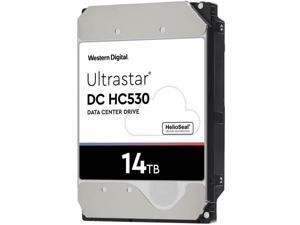
HGST 0F31052 Ultrastar DC HC500 WUH721414AL5204 14 TB Hard Drive - 3.5" Internal - SAS ...
- NAND Flash Memory Type: Hard Drive
- Model #: 0F31052
- Item #: 9SIVB0EHAY4320
- Return Policy: Best Electronics Return Policy
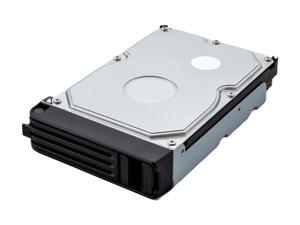
BUFFALO OP-HD3.0T/4K-3Y 3TB SATA 3.0Gb/s 3.5" 4K Sector Optional Hard Drive for ...
- Brand: BUFFALO
- Capacity: 3TB
- Interface: SATA 3.0Gb/s
- Form Factor: 3.5"
- Features: Compatibility: Buffalo Storage Arrays: TeraStation ES TeraStation III TeraStation III iSCSI TeraStation Pro TeraStation Pro WSS
- Parts: Manufacturers Limited Warranty: 3 Year / Parts Only
- Model #: OP-HD3.0T/4K-3Y
- Item #: 9SIV18MGX28692
- Return Policy: Adorama Camera Return Policy
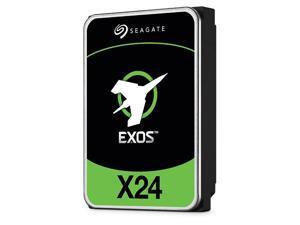
Seagate EXOS X24 12TB SATA 6Gb/s ISE 3.5inch Hard drive - ST12000NM002H
- Type: Control Module
- Model #: ST12000NM002H
- Item #: 9SIV18MKCN5258
- Return Policy: Adorama Camera Return Policy
What You Need to Know About Desktop Hard Disk Drives
Introduction
Though SSDs are becoming increasingly more popular, hard disk drives (HDD) are still essential internal data storage solutions for users that prioritize storage capacity over speed. Compared to hard disk drives, SSDs cost more per gigabyte and have smaller storage capacities. A commonly used configuration is to have a solid state drive as the primary drive and a desktop hard disk drive as the secondary drive. Below, NeweggBusiness answers several common questions about desktop hard disk drives.
What does interface type mean?
A hard disk drive must be connected to a motherboard via data cable in order to function as a system drive. The type of data cable that a hard drive supports can affect both system compatibility and data transfer speeds. This is often referred to as connection or interface type, and it is an important factor when shopping for a HDD.
For desktop hard disk drives, one of the most commonly used interface types is SATA. There have been several revisions for the SATA standard and the two most recent are SATA 3 Gbps and SATA 6 Gbps. They are often stylized as SATA II and SATA III respectively.
What is seek time?
In order for data to be retrieved or written onto the hard disk, a read/write head must move to the correct position on the disk. This is not an instantaneous process and the time required for the head to move into position is referred to as seek time, which is rated in milliseconds.
Is it possible to use a desktop hard disk drive as an external HDD?
Adapting a desktop hard disk drive for external use is possible, though additional hard drive accessories are usually required. Three commonly used methods include, using an SATA to External SATA (eSATA™) cable, hard drive enclosure, or a hard disk drive dock.
What is the purpose of a hard disk drive’s S.M.A.R.T. feature?
Short for Self-mentoring, Analysis, and Reporting Technology, S.M.A.R.T. is a feature that allows hard disk drives to monitor and report on reliability indicators. This is done so that potential problems can be anticipated. To view the S.M.A.R.T. status of a hard disk drive, you will need to use a reporting tool.